The dream of studying abroad has long been considered a golden ticket to better career prospects and higher earnings. However, a recent viral social media post highlighting the enormous financial burden of obtaining a Canadian degree has sparked an intense conversation among Indian families about whether the investment truly pays off.
The Real Cost of Studying in Canada
When Indian students and their families plan for overseas education, the numbers often look manageable on paper. However, the reality frequently exceeds initial estimates by substantial margins. The viral post claiming expenses of Rs 50 lakh or more reflects a growing concern among families who have already committed to this path.
The costs break down into several major categories. Tuition fees at Canadian universities for international students typically range from Rs 15-30 lakh per year depending on the program and institution. A two-year master's program alone can consume Rs 30-60 lakh just in academic fees. Living expenses including accommodation, food, transportation, and utilities add another Rs 10-15 lakh annually in major cities like Toronto or Vancouver.
Additional costs that families often underestimate include application fees, visa processing, medical insurance, flight tickets, initial settlement expenses, and emergency funds. Together, these can add several lakhs more to the total bill.
Why Savings Remain Lower Than Expected
The viral post's claim about savings being lower than what might have been accumulated in India touches on a critical pain point. Many students take education loans at interest rates of 9-12 percent, which must be repaid regardless of employment outcomes. Even those who secure part-time work during studies and full-time employment after graduation often find that high living costs in Canada consume a significant portion of their earnings.
The Canadian tax system, while providing public services, takes a substantial bite from salaries. After accounting for rent in expensive cities, loan repayments, and daily expenses, the actual savings potential diminishes considerably. Meanwhile, professionals who remained in India and advanced in their careers, particularly in sectors like technology, finance, or entrepreneurship, may have built comparable or even superior net worth without the debt burden.
The Indian Alternative
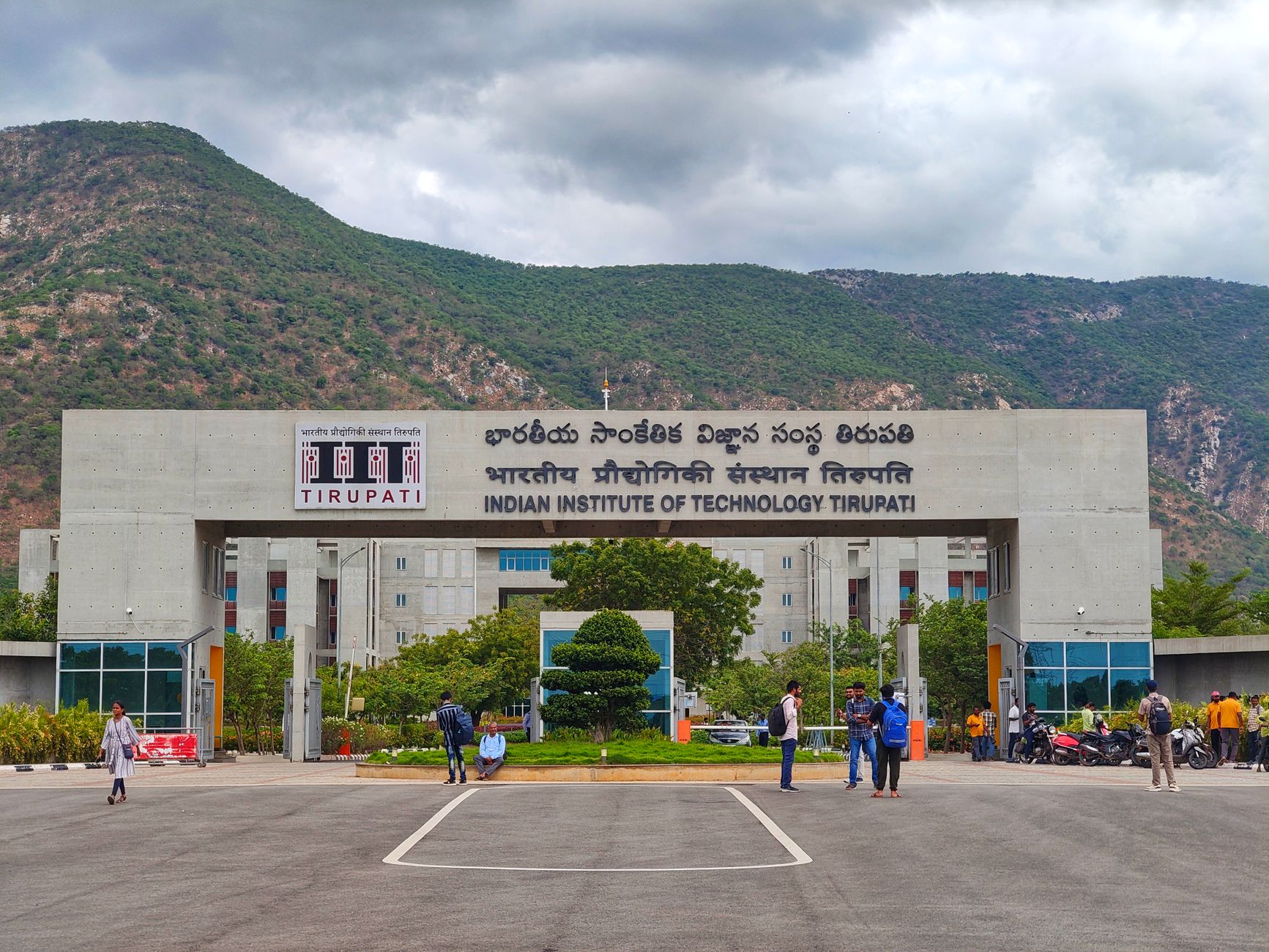
India's education landscape has transformed dramatically over the past decade. Premier institutions like the IITs, IIMs, ISB, and numerous specialized colleges now offer world-class education at a fraction of overseas costs. A top-tier MBA from an Indian institution might cost Rs 20-25 lakh total, compared to Rs 50 lakh or more abroad.
Furthermore, India's booming economy offers abundant opportunities in technology, startups, e-commerce, and traditional industries. Salaries for skilled professionals have risen substantially, and the cost of living remains significantly lower. A software engineer earning Rs 20-25 lakh annually in India might enjoy a higher quality of life than a counterpart earning CAD 80,000 in Canada after accounting for expenses and purchasing power.
When Does Studying Abroad Make Sense
Despite the financial concerns, studying abroad is not universally a poor decision. The choice depends heavily on individual circumstances, career goals, and fields of study. Certain specialized programs, research opportunities, and industries genuinely benefit from international exposure. For those seeking permanent residency in countries with better work-life balance or specific lifestyle preferences, the investment may align with personal priorities beyond pure financial returns.
Students should carefully evaluate their chosen field's earning potential, the reputation of specific universities, scholarship opportunities, and realistic post-graduation employment prospects. Generic programs available in India at lower costs may not justify the overseas premium, while niche specializations might.
Making an Informed Decision
Families considering overseas education should create comprehensive financial projections including worst-case scenarios. They should research actual graduate employment rates and salaries, not just university marketing materials. Consulting with recent graduates about their real experiences provides invaluable insights beyond glossy brochures.
Alternative paths like gaining work experience in India first, then pursuing overseas education with employer sponsorship or better financial stability, often prove more sustainable. Some students successfully combine approaches by studying in India and later pursuing short-term international certifications or exchange programs.
This article is for general informational purposes only and should not be considered as financial or educational counseling. Individual circumstances vary significantly, and readers should conduct thorough research and consult with qualified advisors before making major educational investment decisions.