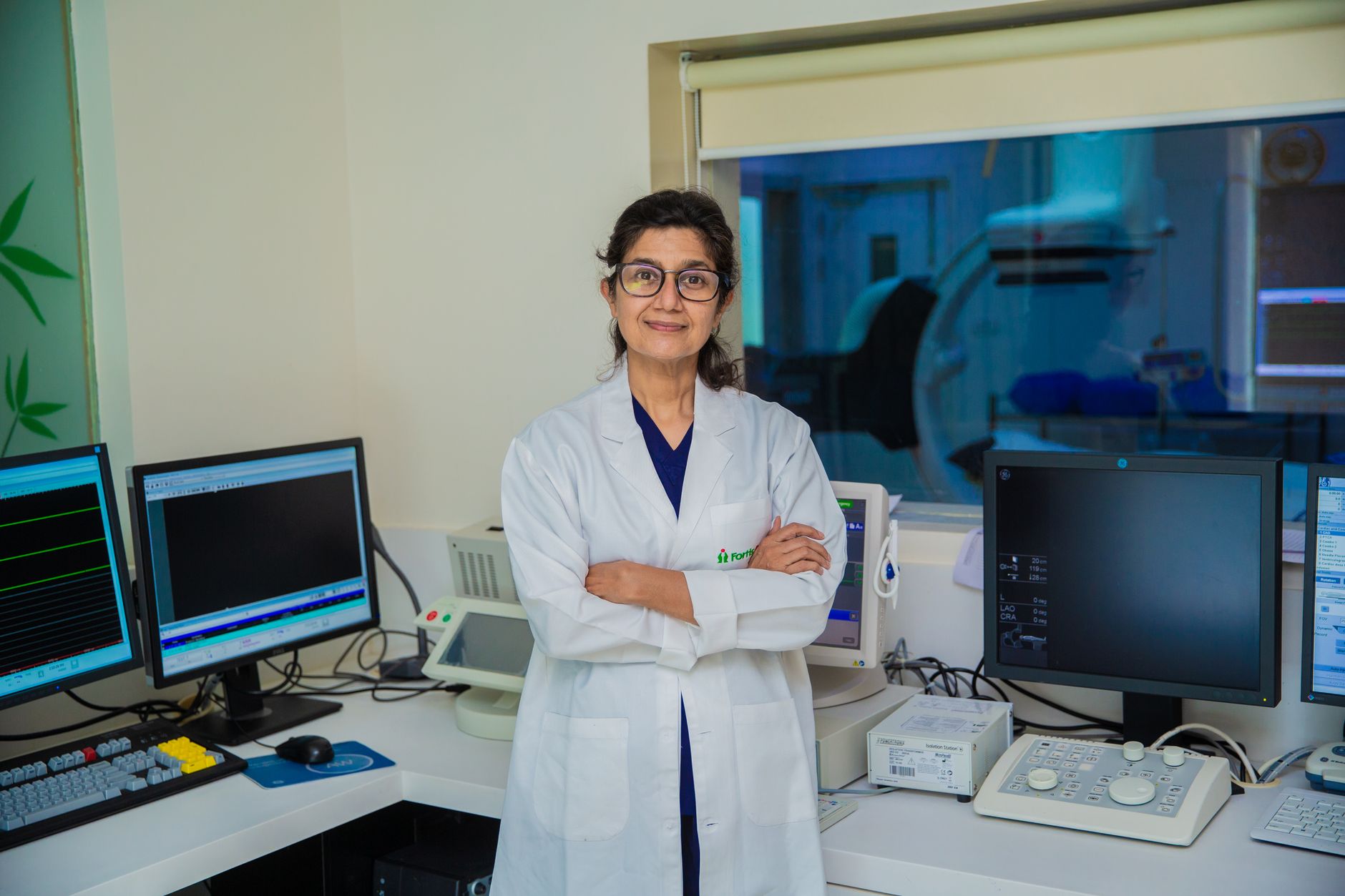
Healthcare in India is undergoing a paradoxical transformation. While access to medical facilities has improved significantly, a concerning trend has emerged: the phenomenon of overdiagnosis, where patients are diagnosed with conditions that may never cause symptoms or harm during their lifetime. This silent epidemic is reshaping how Indians interact with the healthcare system, often with unintended consequences.
What is Overdiagnosis?
Overdiagnosis occurs when medical testing identifies abnormalities or conditions that would never have caused problems if left undetected. Unlike misdiagnosis, where the wrong condition is identified, overdiagnosis involves correctly identifying something that exists but would have been better left unknown. This can include detecting slow-growing cancers that would never become life-threatening, identifying borderline conditions that fall into diagnostic grey zones, or flagging minor abnormalities that require no intervention.
The distinction is crucial because overdiagnosis often triggers a cascade of further tests, treatments, and interventions that carry their own risks and costs, without providing corresponding benefits to patient health.
Why is Overdiagnosis Increasing in India?
Several factors contribute to the rising tide of overdiagnosis in the Indian healthcare landscape:
- Advanced diagnostic technology has become more accessible, with CT scans, MRIs, and sophisticated blood tests available even in tier-2 and tier-3 cities
- The proliferation of private healthcare providers operating on business models that incentivize more testing and procedures
- Defensive medicine practices where doctors order excessive tests to protect against potential litigation
- Direct-to-consumer health packages offering comprehensive screening tests at attractive prices
- Increased health awareness leading patients to demand extensive testing
- Insurance coverage that reimburses diagnostic procedures, removing cost barriers
The Impact on Patients and Healthcare System
The consequences of overdiagnosis extend far beyond unnecessary medical bills. When patients receive diagnoses for conditions that would never have affected their quality of life, they become "patients" in the truest sense—people who suffer, not from disease, but from its detection.
Psychological distress represents one of the most significant impacts. Being labeled with a disease, even a minor one, can trigger anxiety, depression, and a shift in self-identity. People begin to see themselves as sick, which affects their mental wellbeing and life decisions.
Financially, overdiagnosis creates substantial burdens. Follow-up tests, specialist consultations, medications, and treatments for conditions that don't require intervention drain family savings. In a country where healthcare is largely an out-of-pocket expense, this can be catastrophic for middle and lower-income households.
The healthcare system itself suffers as resources are diverted toward managing inconsequential findings rather than treating genuinely sick patients. This contributes to overcrowded hospitals and longer waiting times for those who need urgent care.
Common Areas of Overdiagnosis
Certain medical fields are particularly prone to overdiagnosis in the Indian context:
- Thyroid conditions, especially subclinical hypothyroidism detected through routine blood work
- Prostate cancer screening in elderly men through PSA tests
- Polycystic ovary syndrome diagnoses based on ultrasound findings
- Vitamin D deficiency identified through widespread screening
- Prediabetes and borderline metabolic conditions
- Incidental findings on imaging tests performed for unrelated reasons
Finding the Balance
Addressing overdiagnosis doesn't mean avoiding healthcare or necessary screening. Instead, it requires a more thoughtful approach to medical testing and diagnosis. Patients should engage in shared decision-making with their doctors, understanding the potential benefits and harms of screening tests before proceeding.
Questions to ask include: What will change in my treatment based on this test result? What are the chances this test will find something that needs treatment? What are the risks of the test itself and any follow-up procedures?
Healthcare providers bear responsibility too. Medical education must emphasize the concept of overdiagnosis, and healthcare institutions should develop protocols that discourage unnecessary testing. Regulatory bodies need to establish guidelines for appropriate screening and diagnosis.
Moving Forward
As India's healthcare ecosystem continues to evolve, addressing overdiagnosis requires systemic changes. This includes reforming healthcare payment models that incentivize procedures over outcomes, strengthening primary care to serve as gatekeepers against unnecessary specialist referrals, and educating the public about the limitations and potential harms of medical testing.
The goal isn't to discourage people from seeking medical care when needed, but to foster a healthcare culture where more isn't automatically considered better. Quality healthcare means providing the right care at the right time—not simply the maximum amount of care possible.
This article is for general informational purposes only and should not be considered medical advice. Always consult with qualified healthcare professionals for diagnosis and treatment decisions specific to your individual health situation.