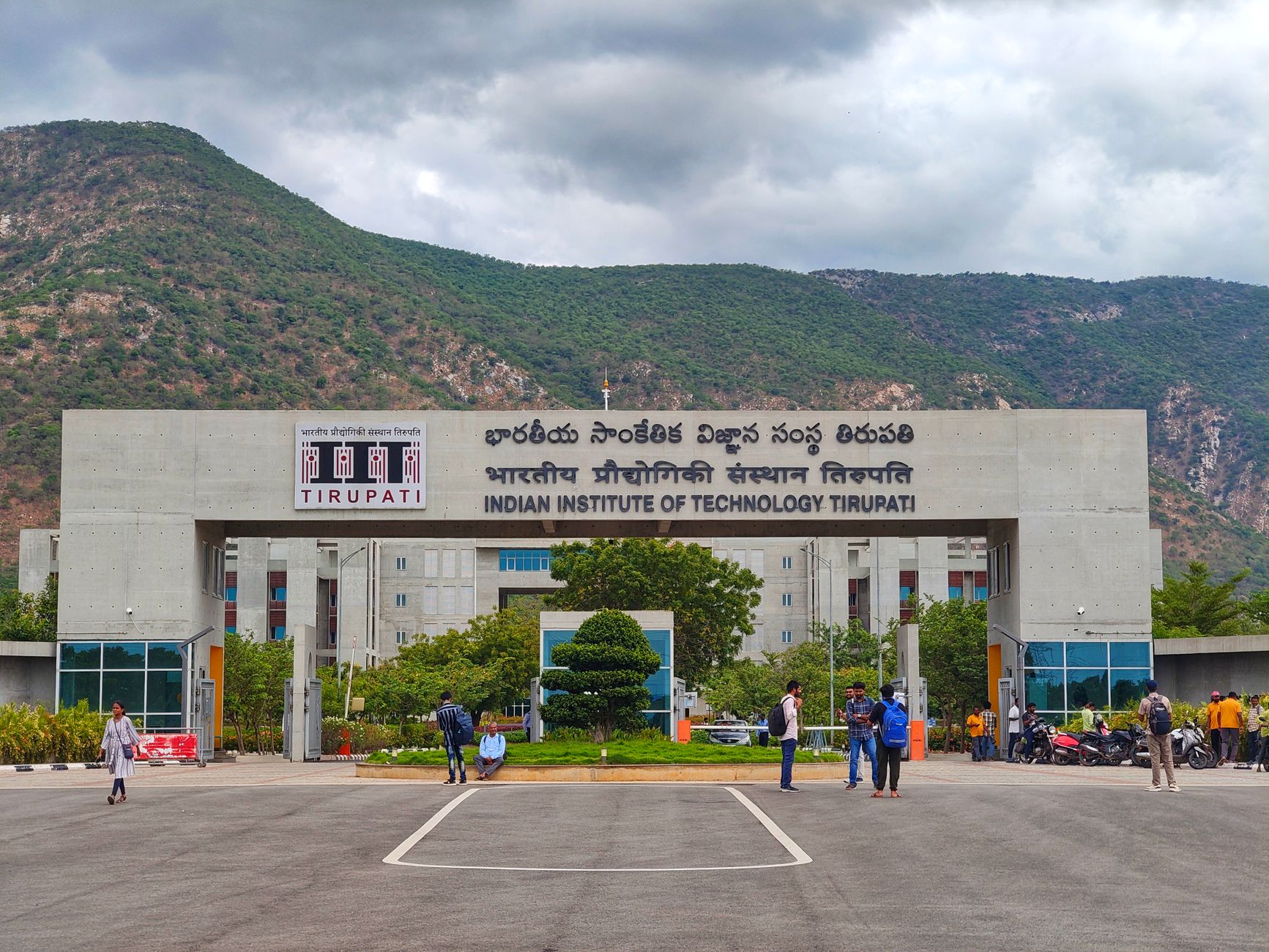
New South Wales Premier Chris Minns has chosen India as the destination for his inaugural overseas trip in office, underscoring the strategic importance of the Indo-Australian relationship for the state's future. While the visit encompasses various economic and trade dimensions, the education sector stands to gain significantly from this diplomatic engagement.
Why India Matters for NSW Education
India represents one of the largest source markets for international students in Australia, with tens of thousands of Indian students choosing Australian institutions each year. For New South Wales specifically, universities in Sydney and regional areas have become increasingly attractive destinations for Indian students pursuing undergraduate, postgraduate, and research degrees.
The relationship extends beyond simple student mobility. Indian students contribute billions to the NSW economy annually through tuition fees, accommodation, living expenses, and tourism. This economic impact makes India a critical partner for the state's tertiary education sector, which has positioned itself as a global education hub.
Key Areas of Educational Collaboration
The Premier's visit is expected to explore several dimensions of educational partnership:
- Institutional tie-ups between NSW universities and Indian higher education institutions
- Research collaboration in priority areas such as technology, renewable energy, and healthcare
- Vocational education and training partnerships to address skills shortages
- Student exchange programmes that facilitate two-way academic mobility
- Recognition of qualifications and credit transfer arrangements
The Growing Indian Student Demographic
Indian student numbers in Australia have surged over the past decade, with many choosing NSW as their preferred destination. This growth reflects several factors including the quality of education, post-study work opportunities, and the established Indian diaspora community in cities like Sydney and Melbourne.
Students from India typically pursue courses in information technology, engineering, business management, healthcare, and accounting. NSW institutions have developed specialised support services, cultural programmes, and pathway options to cater to this demographic, recognising their specific needs and aspirations.
Beyond Traditional Higher Education
The education relationship between NSW and India extends beyond universities. Technical and Further Education (TAFE) institutions have also established connections with Indian counterparts, offering vocational qualifications in trades, hospitality, and other practical skills areas.
Additionally, the school education sector has seen growing interest, with some Indian families choosing NSW for high-quality secondary education, particularly in the final years before university entry. This diversification of the education relationship creates multiple touchpoints for collaboration.
Economic and Strategic Dimensions
Education serves as a bridge for broader economic engagement. Indian students who study in NSW often become ambassadors for Australian business and culture, while also bringing valuable perspectives and networks that benefit local communities.
The Premier's visit acknowledges that education diplomacy can unlock opportunities in other sectors including technology collaboration, business partnerships, and cultural exchange. Many Indian graduates choose to remain in Australia, contributing skilled professionals to the workforce and addressing critical labour shortages in sectors like healthcare, IT, and engineering.
Challenges and Opportunities
While the NSW-India education relationship has flourished, certain challenges require attention. These include:
- Streamlining visa processes to reduce administrative burden
- Ensuring student welfare and safety in NSW communities
- Addressing competition from other countries like Canada and the United Kingdom
- Managing the balance between international student revenue and domestic student access
- Creating genuine pathways to permanent residency for skilled graduates
The Premier's visit provides an opportunity to address these issues through government-to-government dialogue and by strengthening institutional frameworks that support sustainable educational partnerships.
The Road Ahead
As NSW positions itself for post-pandemic recovery and future growth, the education sector remains a cornerstone of the state's international engagement strategy. India's massive youth population, growing middle class, and increasing demand for quality education create enormous potential for deepening ties.
The Premier's choice of India for his first overseas trip sends a clear signal about priorities and recognition of long-term strategic value. For educational institutions, students, and businesses connected to the sector, this visit may catalyze new initiatives, partnerships, and opportunities that extend well beyond the immediate term.
The success of this relationship will ultimately be measured not just in student numbers or economic contribution, but in the quality of educational outcomes, research collaboration, and mutual cultural understanding that emerges from sustained engagement between NSW and India.