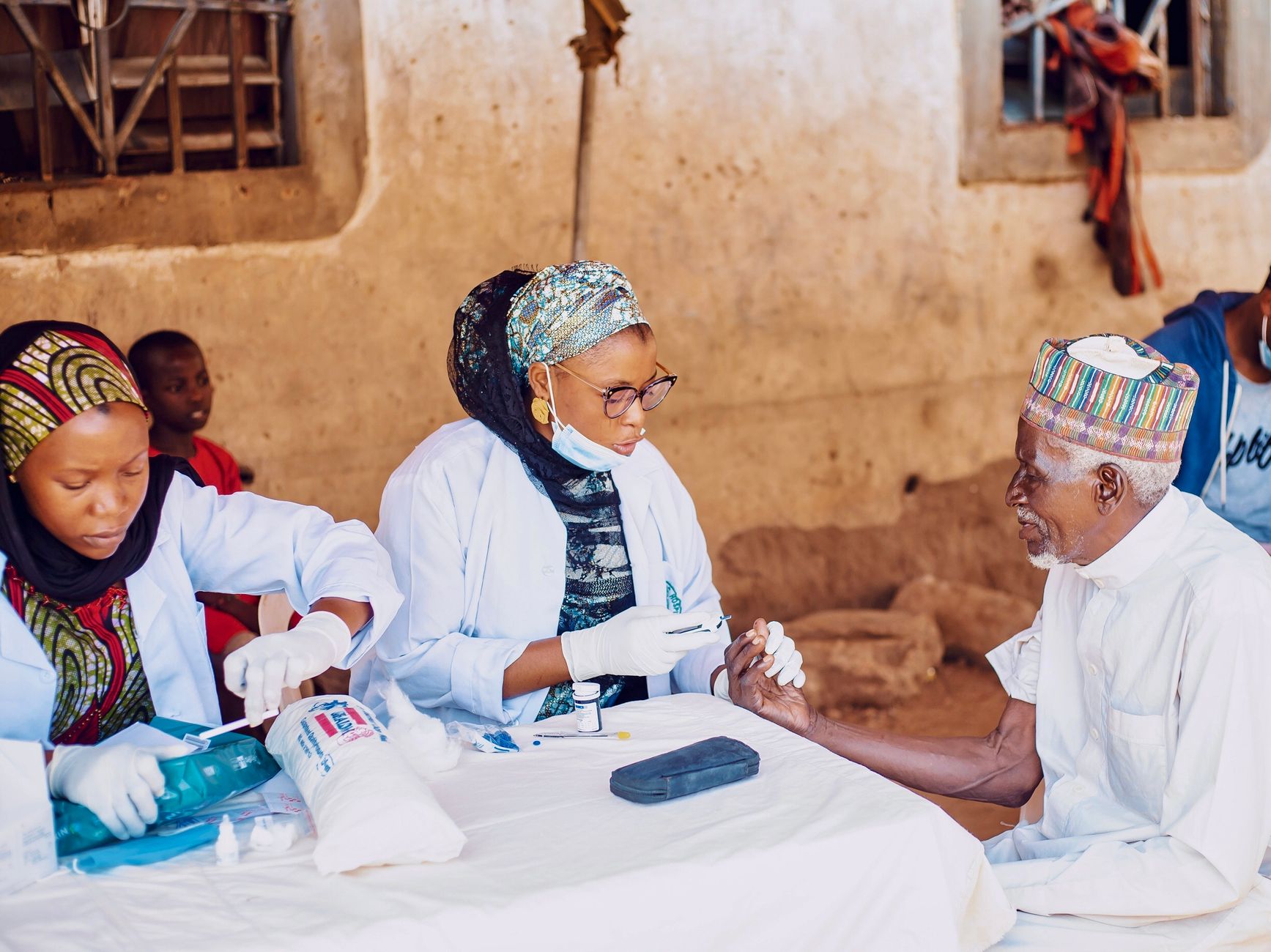
Corporate India's commitment to community health has taken a significant leap forward as Motul India, the Indian subsidiary of the French lubricant specialist, substantially scales up its healthcare outreach program. The Sehat Ki Samriddhi initiative now spans 108 health camps across 27 districts, marking one of the more ambitious corporate social responsibility (CSR) healthcare programs in the automotive sector.
Understanding the Sehat Ki Samriddhi Model
Sehat Ki Samriddhi, which translates to "Prosperity of Health," represents a structured approach to delivering preventive and basic healthcare services to underserved communities. Health camps of this nature typically provide free medical consultations, basic diagnostic tests, medicine distribution, and health awareness sessions to populations that face barriers accessing formal healthcare facilities.
The expansion to 108 camps holds particular cultural significance in India, where the number 108 is considered auspicious and is also the national emergency helpline number. This scaling represents a substantial operational commitment, requiring coordination with local health authorities, medical professionals, and community organizations across diverse geographic regions.
Why Corporates Are Investing in Health Camps
The growing trend of companies like Motul investing in health camps reflects several converging factors. India's healthcare infrastructure, while improving, still faces significant gaps in rural and semi-urban areas where nearly 65 percent of the population resides. Many of these communities lack access to regular medical checkups, early disease detection, and health education.
For corporations, these initiatives fulfill mandatory CSR obligations under the Companies Act, 2013, which requires companies meeting certain financial thresholds to spend at least 2 percent of their average net profits on social welfare activities. Healthcare and sanitation constitute prescribed CSR focus areas, making health camps an attractive avenue for compliance.
The Impact of Multi-District Health Initiatives
Operating across 27 districts means navigating diverse healthcare challenges. Different regions face varying health burdens, from vector-borne diseases in certain climates to nutritional deficiencies in economically weaker pockets. A well-designed multi-district health program must adapt its services to local epidemiological patterns and cultural contexts.
- Early detection of chronic conditions like diabetes and hypertension
- Maternal and child health screening and counseling
- Eye camps for cataract and refractive error detection
- Dental health checkups and awareness programs
- Distribution of nutritional supplements and essential medicines
- Health education on hygiene, sanitation, and preventive care
The reach achieved through 108 camps potentially impacts tens of thousands of individuals who might otherwise delay or forgo medical attention due to cost, distance, or lack of awareness.
Challenges in Executing Large-Scale Health Camps
Despite their benefits, scaling health camps presents operational complexities. Ensuring consistent quality of care across all locations requires robust partnerships with qualified medical practitioners and healthcare institutions. Supply chain management for medicines and diagnostic equipment must account for the specific needs of each camp location.
Follow-up care remains a persistent challenge. While camps excel at screening and awareness, patients diagnosed with conditions requiring ongoing treatment need mechanisms to access continued care. Progressive programs increasingly incorporate referral systems to nearby primary health centers or district hospitals.
Data collection and impact measurement also present difficulties. Tracking health outcomes beyond the immediate camp date requires systems that many organizations are still developing. Without proper evaluation frameworks, assessing the long-term effectiveness of such initiatives becomes challenging.
The Broader Corporate Health Engagement Landscape
Motul's initiative is part of a wider movement among Indian corporations toward healthcare CSR. Automotive companies, given their manufacturing presence in diverse locations including industrial belts and semi-urban areas, are particularly positioned to address community health needs near their operational facilities.
This trend extends beyond compliance, reflecting stakeholder expectations for businesses to contribute meaningfully to social development. Employees, investors, and consumers increasingly evaluate companies on their social impact, creating reputational incentives for substantive health programs.
Looking Ahead
The expansion to 108 health camps suggests Motul India views this not as a one-time initiative but as a sustained commitment. As the program matures, opportunities exist to deepen impact through chronic disease management support, mental health awareness, and integration with government health schemes like Ayushman Bharat.
The success of such programs may encourage other mid-sized corporations to undertake similar initiatives, potentially creating a multiplier effect in corporate contributions to public health infrastructure.
This article is for general informational purposes only and does not constitute medical advice. Readers requiring health services should consult qualified healthcare professionals and appropriate medical facilities.