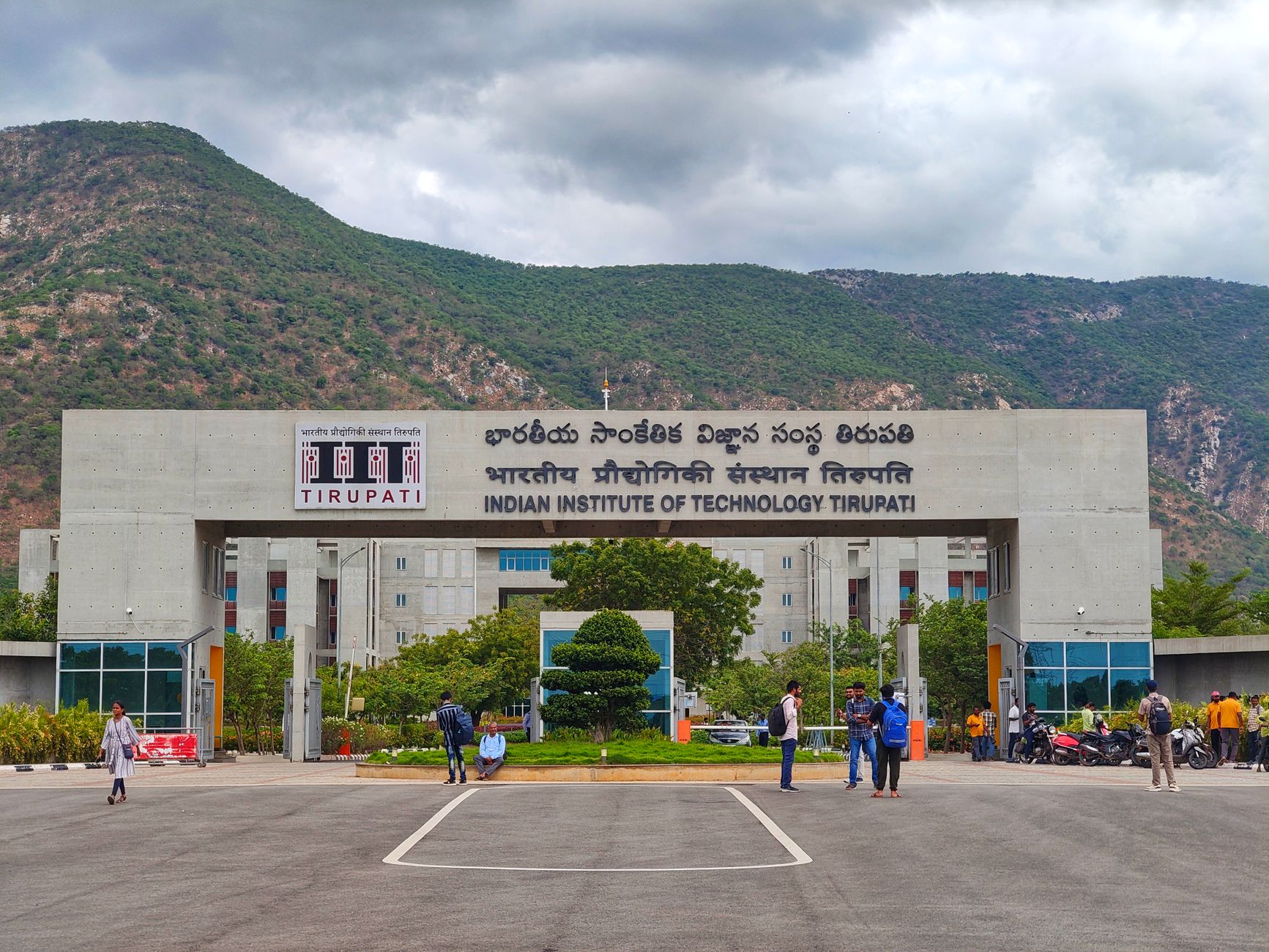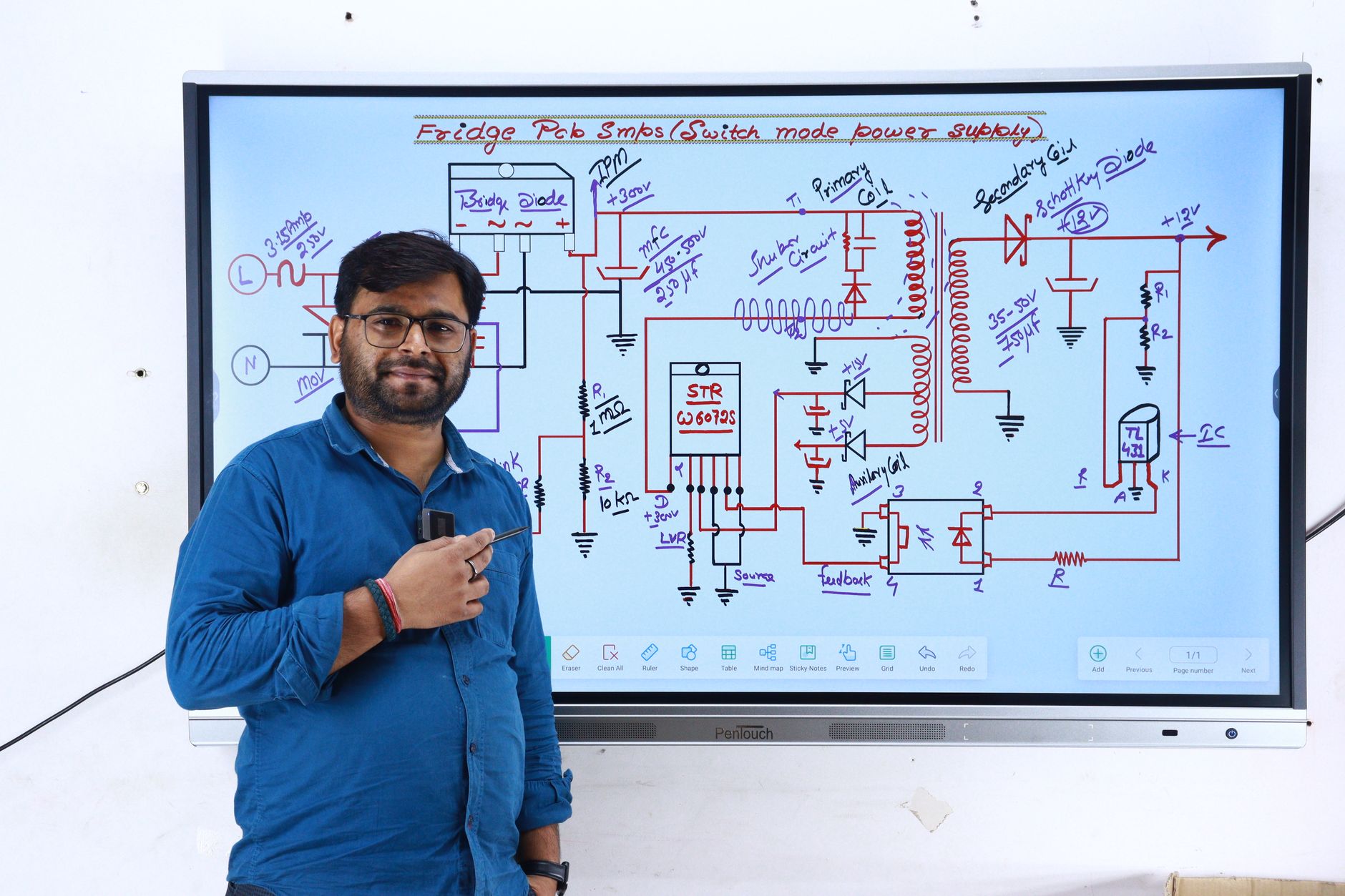
Prime Minister Narendra Modi has unveiled an ambitious plan to support India's youth through government-backed coaching for competitive examinations and training in artificial intelligence technologies. The announcement comes at a time when India's massive youth population faces intense competition for government jobs and increasing demand for technology skills in the job market.
Addressing the Coaching Centre Challenge
India's competitive examination system has created a massive coaching industry worth billions of rupees. Students preparing for entrance tests to prestigious institutions like the Indian Institutes of Technology, medical colleges, and civil services examinations often spend lakhs of rupees on private coaching classes. This creates a significant barrier for students from economically weaker backgrounds, effectively limiting opportunities based on financial capacity rather than merit alone.
The government's proposal to offer free or subsidized coaching aims to level the playing field. By providing quality preparation resources through government channels, the initiative could reduce the financial burden on families and ensure that talented students from all backgrounds have equal access to guidance and study materials.
Focus on Artificial Intelligence Training
The inclusion of AI training in the initiative reflects the government's recognition of technology's growing role in the economy. Artificial intelligence is rapidly transforming industries from healthcare and agriculture to finance and manufacturing. However, many Indian graduates lack the specialized skills needed to work in AI-related fields.
The proposed AI training program would likely cover fundamental concepts like machine learning, data analysis, programming languages relevant to AI development, and practical applications of AI technologies. By equipping young Indians with these skills, the government hopes to prepare the workforce for future job markets and position India as a competitive player in the global AI landscape.
Employment and Skills Gap
India faces a complex employment challenge. While the country produces millions of graduates each year, many struggle to find jobs that match their qualifications. This skills gap exists partly because traditional education systems don't always align with industry requirements, particularly in fast-evolving technology sectors.
Government job positions remain highly coveted due to job security and benefits, leading to extreme competition. Some examinations see hundreds of applicants for a single position. Meanwhile, private sector employers often report difficulty finding candidates with the right technical skills, especially in emerging technologies.
Implementation Challenges
While the announcement has been welcomed by many, successful implementation will require careful planning. Key considerations include:
- Developing quality curriculum that genuinely prepares students for competitive examinations and real-world AI applications
- Recruiting qualified instructors who can deliver effective coaching and technical training
- Creating infrastructure, whether physical centres or digital platforms, that can reach students across urban and rural areas
- Ensuring the program reaches its intended beneficiaries rather than being captured by those already having access to resources
- Regular updating of AI training content to keep pace with rapidly evolving technology
Digital Delivery and Accessibility
Given India's geographic diversity and large population, digital delivery platforms will likely play a crucial role. Online courses, video lectures, interactive learning modules, and virtual doubt-clearing sessions could extend the program's reach to remote areas where physical coaching centres aren't feasible.
However, digital delivery also presents challenges. Internet connectivity remains inconsistent in many parts of India, and not all students have access to smartphones or computers. The program will need to balance digital innovation with accessibility concerns to ensure inclusive participation.
Broader Economic Implications
Beyond individual benefits, the initiative ties into larger economic goals. A workforce skilled in AI and technology can attract foreign investment, support the growth of India's startup ecosystem, and reduce dependence on imported technical expertise. Similarly, improved access to competitive exam coaching could enhance the quality of candidates entering government services.
The program also addresses youth aspirations and frustrations. With unemployment and underemployment affecting millions of young Indians, government initiatives that tangibly improve job prospects can have significant social and political implications.
Moving Forward
The success of this initiative will depend on execution details yet to be announced, including budget allocation, timeline, selection criteria for participants, and quality control mechanisms. Collaboration with educational institutions, industry partners, and technology companies could strengthen the program's effectiveness and ensure training remains relevant to actual job market needs.
As India continues its push toward becoming a digitally advanced economy while addressing persistent employment challenges, initiatives bridging education, skills training, and employment opportunities represent important policy interventions. The coming months will reveal how this announcement translates into concrete programs that reach India's youth.