India produces millions of graduates every year, yet unemployment among educated youth remains stubbornly high. This paradox reveals a fundamental disconnect between what the education system delivers and what the job market demands, creating a crisis with far-reaching social and economic consequences.
The Scale of the Problem
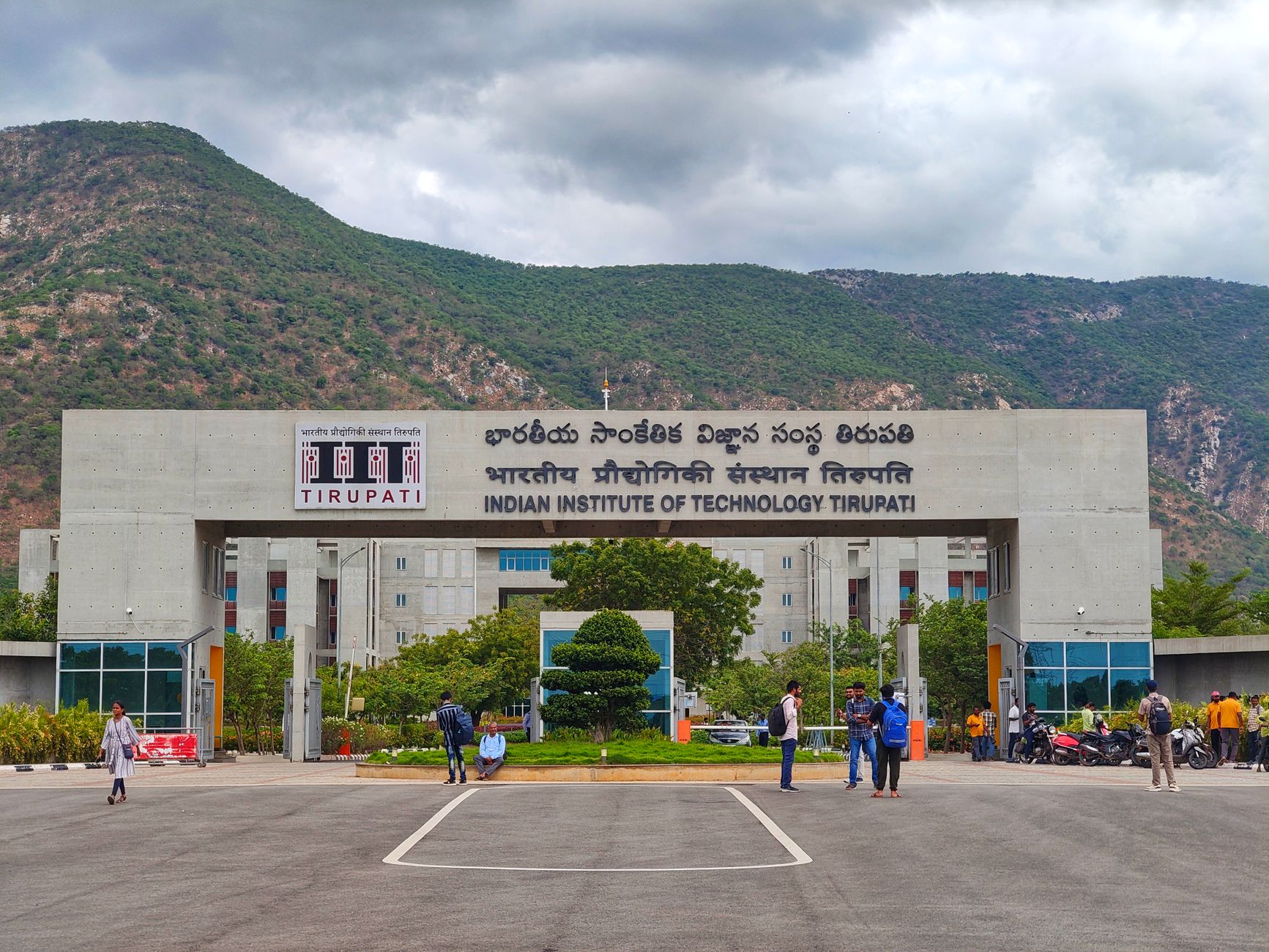
India's higher education system has expanded dramatically over the past two decades. The country now boasts over 1,000 universities and 42,000 colleges, enrolling approximately 40 million students. However, this quantitative growth has not translated into quality employment outcomes. Studies suggest that nearly 50 percent of Indian graduates are considered unemployable by industry standards, lacking the practical skills and competencies required for modern workplaces.
The unemployment rate among educated youth aged 20-24 years hovers around 18-20 percent, significantly higher than the overall unemployment rate. Even more concerning is the underemployment crisis, where graduates accept jobs far below their qualification levels, driving auto-rickshaws or working in retail despite holding engineering or commerce degrees.
The Curriculum-Industry Disconnect
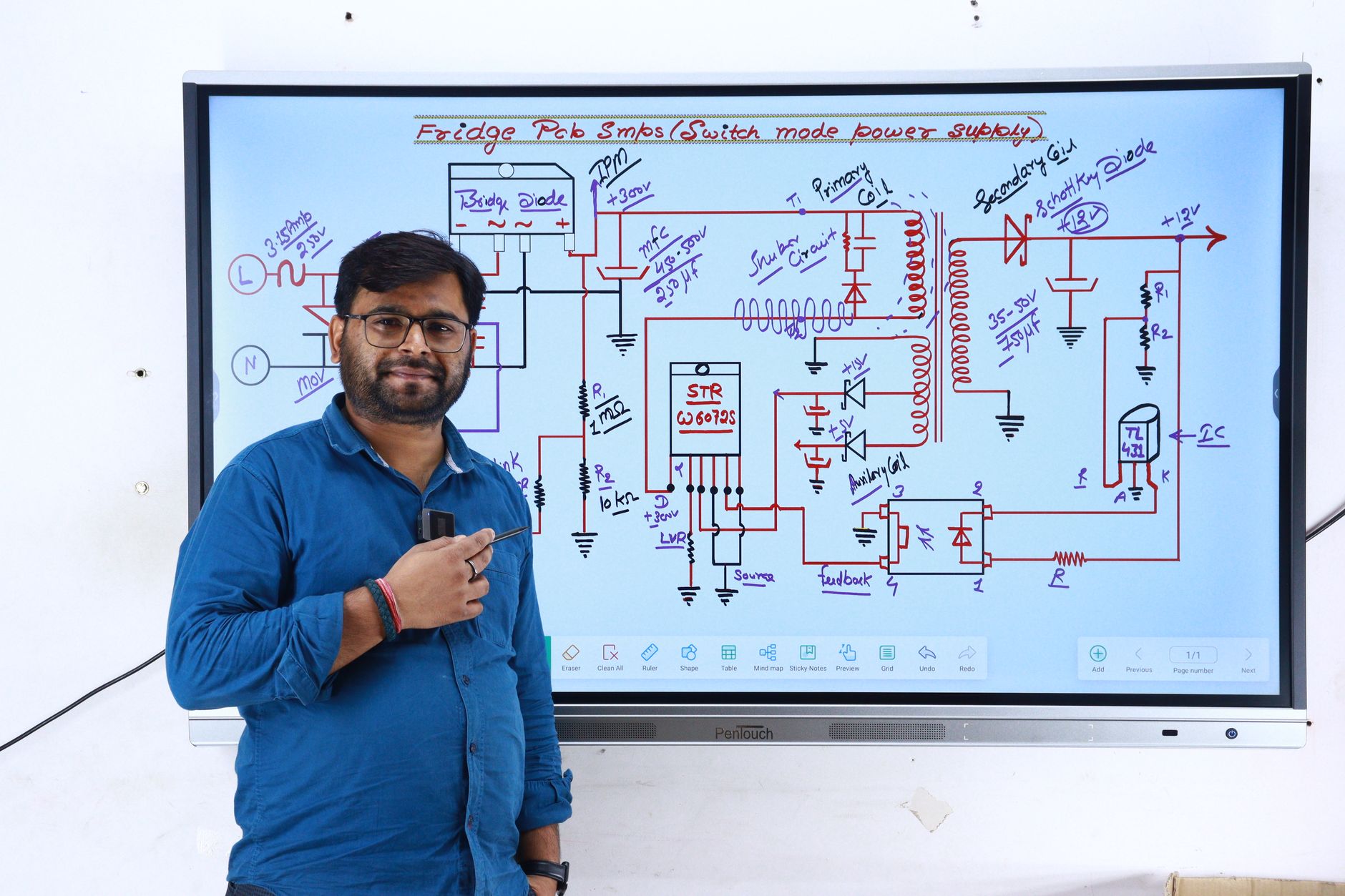
A major driver of this gap is the outdated curriculum prevalent in many Indian educational institutions. While the global economy has rapidly digitalized and specialized, many universities continue teaching syllabi that were designed decades ago. Engineering graduates may learn theoretical concepts but lack hands-on experience with current technologies, programming languages, or industry-standard tools.
The situation is similar across disciplines. Commerce graduates often possess limited practical knowledge of accounting software, data analytics, or digital marketing. Arts and humanities students rarely develop transferable skills like critical thinking, communication, or project management that employers value.
Emphasis on Rote Learning Over Skills
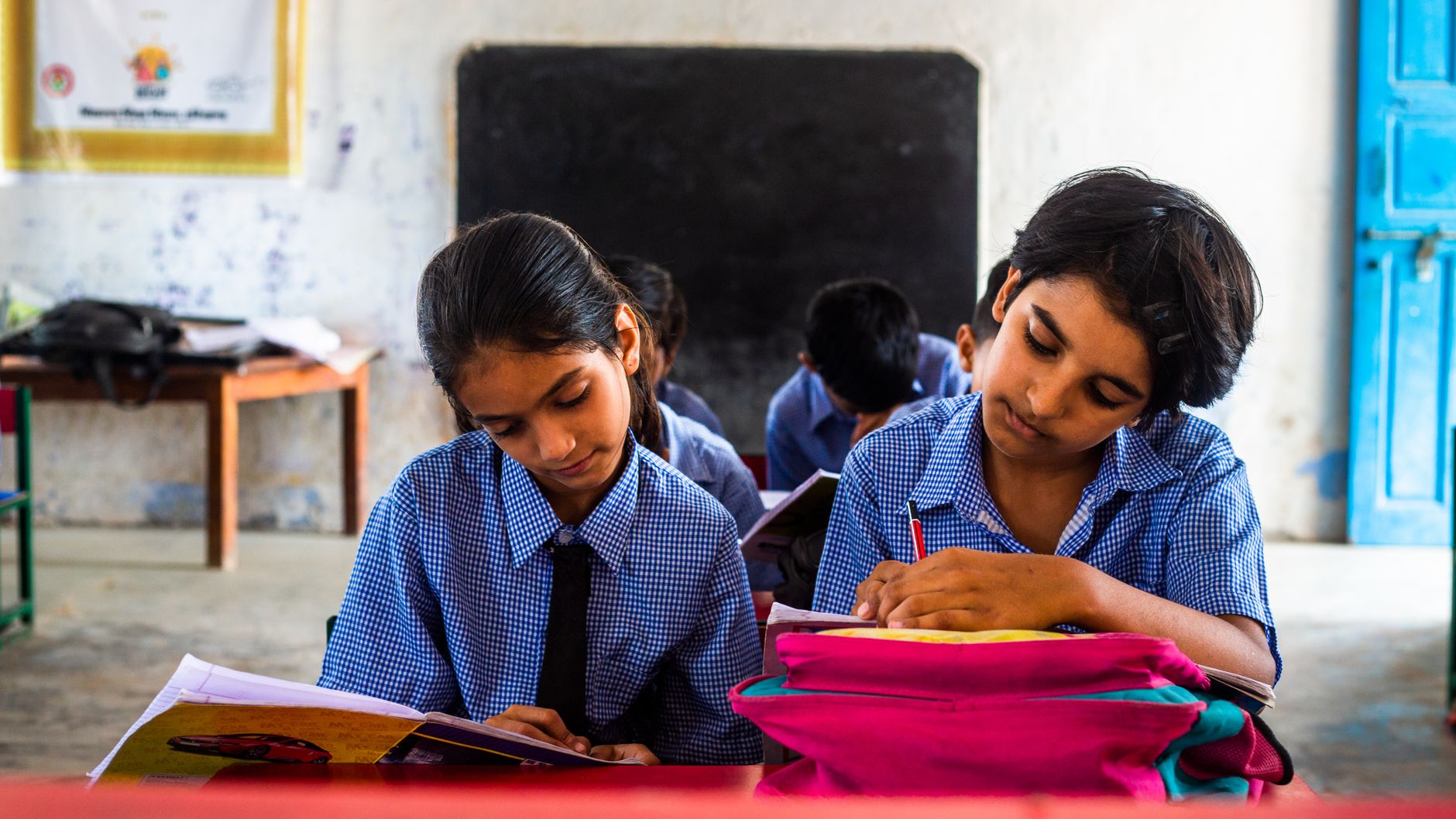
India's education system has historically emphasized memorization and examination performance over genuine skill development. Students are trained to reproduce textbook answers rather than solve real-world problems, analyze situations critically, or work collaboratively. This pedagogical approach produces graduates who can pass exams but struggle in dynamic work environments that demand adaptability, creativity, and problem-solving abilities.
The absence of internships, practical projects, and industry exposure during academic years further widens the gap. Many students complete their degrees without ever stepping into a workplace or understanding professional expectations.
The Quality Versus Quantity Dilemma
The mushrooming of private colleges and universities, often driven more by profit than educational excellence, has contributed to declining standards. Many institutions lack qualified faculty, adequate infrastructure, or industry connections. They award degrees without ensuring students have actually gained marketable competencies.
This proliferation has created a paradox where India has both a shortage of skilled workers and a surplus of unemployable graduates. Industries struggle to find qualified candidates while millions of degree-holders remain jobless.
Mismatch Between Aspirations and Opportunities
There is also a significant mismatch between the fields students choose and where job opportunities exist. Traditional prestige associated with certain degrees continues to drive enrollment patterns. Engineering and MBA programs attract massive numbers, creating oversupply in some sectors while emerging fields like healthcare technology, renewable energy, or advanced manufacturing face talent shortages.
The gig economy and startup ecosystem offer new opportunities, but the traditional education system has not adapted to prepare students for these alternative career paths.
Potential Solutions
Bridging this gap requires coordinated efforts from educational institutions, policymakers, and industry:
- Curriculum reform aligned with current and future industry needs
- Integration of skill development, internships, and practical projects into degree programs
- Greater collaboration between academia and industry for co-designed courses
- Emphasis on soft skills, digital literacy, and lifelong learning capabilities
- Strengthening vocational education and removing social stigma around non-degree career paths
- Accreditation systems that prioritize employment outcomes alongside academic standards
- Career counseling that helps students make informed choices based on market realities
The Way Forward
India's demographic dividend can become a demographic disaster if the education-employment gap continues to widen. The country needs a fundamental reimagining of education that treats employability as a core objective alongside knowledge transmission. This requires moving beyond degree certificates to focus on competency-based education that equips students with skills employers actually need.
Both preventive and corrective measures are necessary. While reforming the education system is essential for future graduates, massive reskilling and upskilling initiatives are needed for the current cohort of unemployed or underemployed graduates. Only through such comprehensive efforts can India transform its education crisis into an opportunity for inclusive economic growth.