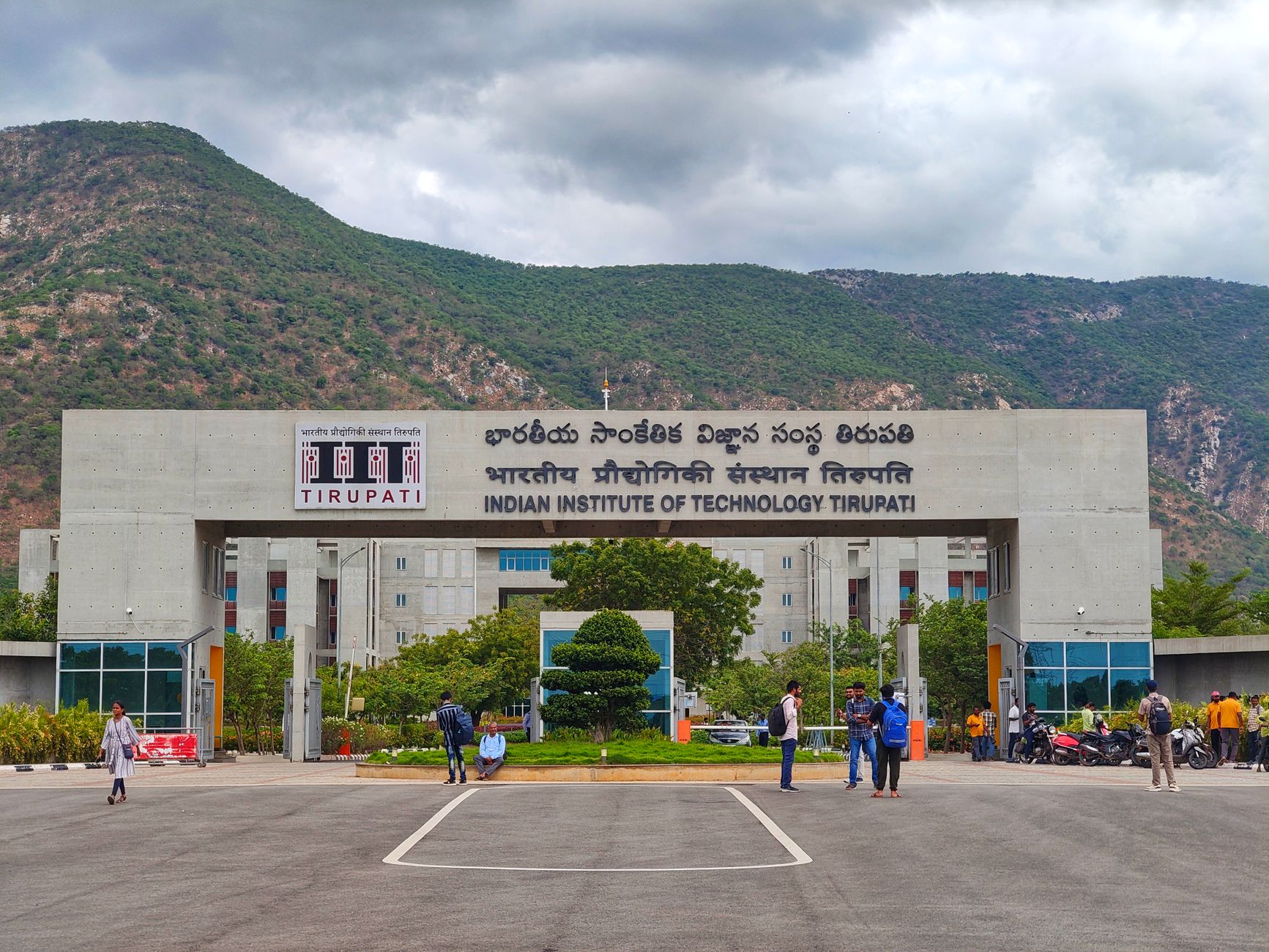
India and China, the world's two most populous nations, are experiencing a paradoxical crisis in their higher education systems. While both countries have successfully expanded university access and are producing record numbers of graduates each year, the labour markets in these economies are struggling to absorb the massive influx of qualified young professionals.
The Scale of the Graduate Surplus
India produces approximately 10-12 million university graduates annually, while China adds another 11-12 million degree holders to its workforce each year. These numbers represent a dramatic increase from just two decades ago, when higher education was accessible to only a privileged minority. The expansion of universities, colleges, and technical institutes was meant to create a skilled workforce ready for the demands of modern economies.
However, the employment landscape has not evolved at the same pace. Traditional white-collar sectors such as banking, government services, and corporate management can absorb only a fraction of these graduates. The mismatch between the number of qualified candidates and available positions has created fierce competition for even entry-level roles.
Why Jobs Are Not Keeping Pace
Several structural factors explain why job creation lags behind graduate production. Economic growth in both countries, while still positive, has moderated from the breakneck pace of the early 2000s. Manufacturing sectors, which were expected to drive employment, have increasingly automated their processes, reducing the need for human workers.
The service sector, traditionally a major employer of graduates, has also become saturated in many fields. Additionally, many employers report a skills mismatch, where graduates possess theoretical knowledge but lack the practical skills or soft skills required for modern workplaces.
The Impact on Young Graduates
The consequences of this imbalance are profound and multifaceted. Youth unemployment rates in both countries have risen significantly, with educated unemployment becoming a particular concern. Many graduates remain jobless for extended periods after completing their degrees, leading to frustration and disillusionment.
Those who do find employment often accept positions that require far less qualification than their degrees would suggest. Engineers work in customer service roles, business graduates take up administrative positions with minimal responsibilities, and postgraduates accept salaries meant for diploma holders. This phenomenon, known as underemployment, represents a waste of educational investment and human potential.
Responses and Adaptations
Facing limited opportunities in traditional sectors, many young graduates are exploring alternative paths:
- Competitive examination preparation for government jobs, which offer stability and prestige despite relatively modest salaries
- Entrepreneurship and startup ventures, though access to capital remains a significant barrier
- Freelancing and gig economy work, particularly in digital fields
- Emigration to countries with better employment prospects
- Further education and specialization, sometimes as a way to delay entering a difficult job market
Governments in both nations have recognized the urgency of this challenge. India has launched initiatives promoting skill development, startup incubation, and manufacturing growth. China has implemented policies encouraging employment in smaller cities and rural areas, while also attempting to redirect graduates toward vocational and technical careers.
The Quality Question
Part of the problem lies in the quality and relevance of education itself. Many institutions have expanded rapidly without corresponding improvements in teaching quality, infrastructure, or curriculum relevance. Degrees from numerous colleges carry little weight with employers who have learned that a certificate does not guarantee competence.
This has created a two-tier system where graduates from elite institutions continue to find good opportunities, while those from less prestigious colleges struggle even to secure interviews. The gap between what universities teach and what industries need has become a critical bottleneck.
Long-Term Implications
If left unaddressed, this graduate unemployment crisis could have serious social and political consequences. Educated but underemployed youth may become disillusioned with systems that promised prosperity through education. Social instability, brain drain, and wasted demographic dividends are real risks.
Both countries face the challenge of creating economies that can productively employ their educated populations. This requires not just more jobs, but better jobs—positions that utilize skills, offer decent wages, and provide career progression. It also demands educational reform to ensure that what students learn actually prepares them for available opportunities.
The situation serves as a reminder that education policy and economic policy must work in tandem, and that producing graduates without ensuring their employability creates problems rather than solutions.