The dramatic act of students going on hunger strike for two weeks to protest India's examination system underscores a growing crisis in the country's education sector. What drives young people to such extreme measures, and what does it reveal about the state of education in the world's most populous nation?
The Pressure Cooker of Indian Exams
India's examination system is legendary for its intensity and competitiveness. Millions of students compete annually for limited seats in prestigious institutions through entrance exams like the Joint Entrance Examination (JEE) for engineering, the National Eligibility cum Entrance Test (NEET) for medicine, and the Union Public Service Commission (UPSC) exams for civil services.
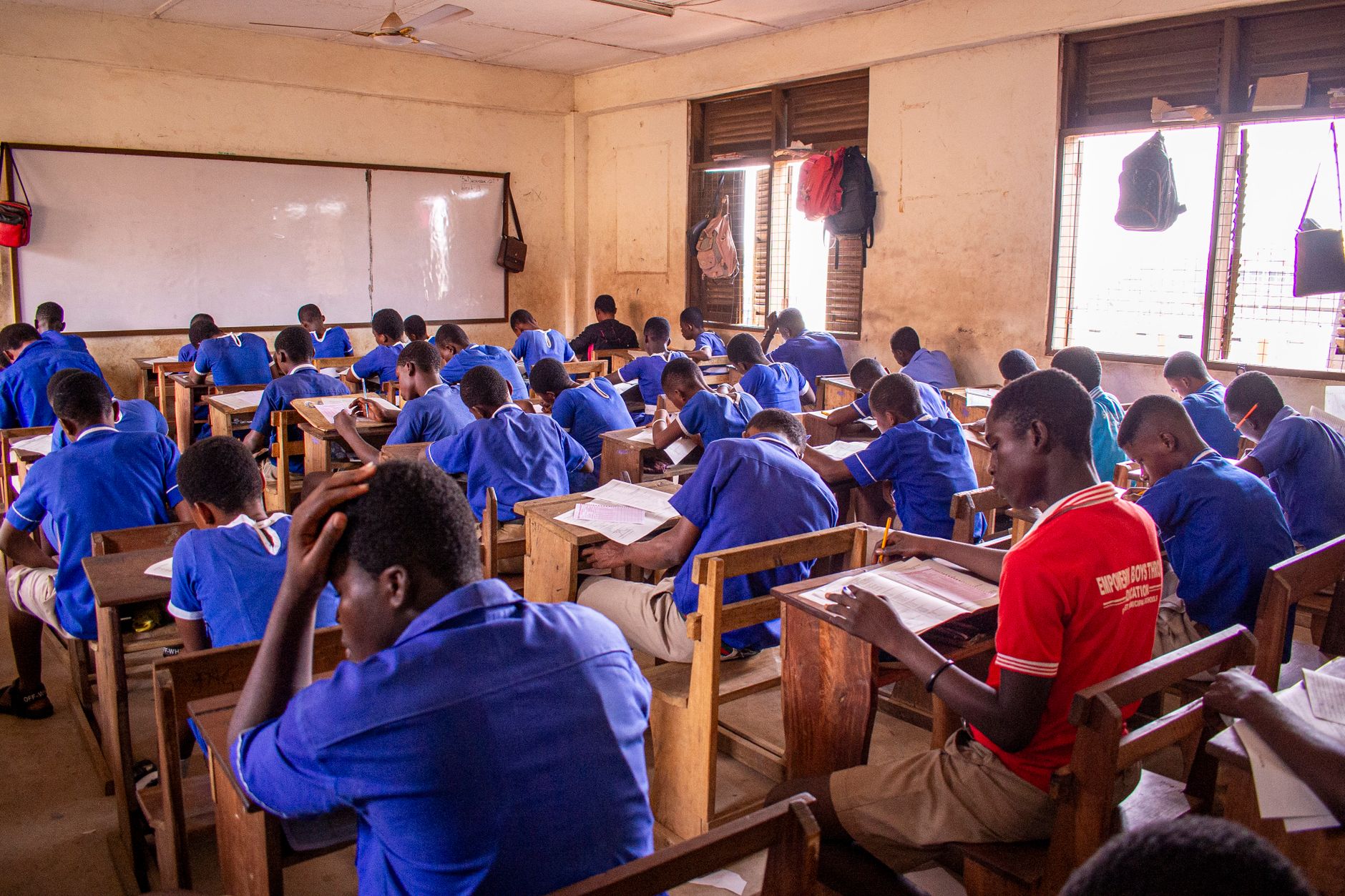
These high-stakes tests often determine a student's entire career trajectory in a single sitting. The pressure begins early, with students as young as 14 or 15 enrolling in intensive coaching programs that consume their teenage years. Many families invest their life savings in coaching fees, creating enormous financial and emotional pressure on students to succeed.
Common Grievances Fueling Protests
Student protests against the examination system typically center on several recurring issues. Allegations of paper leaks have plagued major exams for years, with questions sometimes circulating on social media or through organized networks before test dates. When this happens, honest students feel their months or years of preparation are rendered meaningless.
Technical glitches during computer-based tests have also sparked outrage. Server crashes, software errors, or malfunctioning biometric systems can cost precious minutes during timed exams where every second counts. Students demand better infrastructure and backup systems to prevent such failures.
The timing and frequency of exams is another flashpoint. When authorities suddenly change exam dates, formats, or eligibility criteria, students who have been preparing under one set of assumptions find themselves scrambling to adapt. Some protests demand that exams be conducted in regional languages rather than only in English and Hindi, arguing that language should not be a barrier to assessing subject knowledge.
The Mental Health Crisis
Behind these protests lies a deeper crisis: the devastating impact on student mental health. India has one of the highest student suicide rates in the world, with thousands of young people taking their lives each year due to academic pressure and exam failure.
The single-test-determines-all approach leaves no room for bad days, illness, or personal circumstances. A student who has performed excellently throughout their academic career can see their dreams shattered by a single poor exam performance. This winner-takes-all system creates an environment of constant anxiety and fear.
Coaching center culture further intensifies the pressure. Students often study 12-14 hours daily, sacrificing sleep, recreation, and social development. The toxic comparison culture, where worth is measured solely by ranks and percentile scores, damages self-esteem and mental wellbeing.
Calls for System Reform
Education reform advocates argue that India's exam system needs fundamental restructuring rather than minor adjustments. They point to successful models in other countries that emphasize continuous assessment, project-based learning, and multiple evaluation criteria rather than single high-stakes tests.
Some propose multiple exam attempts per year to give students more opportunities and reduce the do-or-die pressure of a single test. Others advocate for holistic admission processes that consider a broader range of achievements, talents, and potential indicators beyond test scores.
There is also growing demand for better regulation of coaching institutes, which have become a parallel education system. Critics argue that coaching centers profit from student anxiety while the formal education system fails to provide adequate preparation.
The Path Forward
Reforming a system as vast and entrenched as India's examination infrastructure poses enormous challenges. Any changes must balance fairness, practicality, and the need to manage millions of applicants for limited opportunities.
However, when students resort to hunger strikes, it signals that incremental changes are insufficient. The question facing Indian policymakers is whether they will respond with meaningful reform or continue defending a system that increasingly appears to serve neither students nor society's broader educational goals.
The protests reflect a generation refusing to accept that their worth should be determined by a single exam score, demanding instead an education system that nurtures learning, creativity, and wellbeing alongside academic achievement.