India's higher education sector has undergone a significant transformation between 2014 and 2024, as revealed by data from the All India Survey on Higher Education (AISHE). This annual survey, conducted by the Ministry of Education, provides comprehensive insights into the state of colleges, universities, student enrolment, and faculty across the nation. The trends observed over this decade paint a picture of both progress and persistent challenges.
Dramatic Surge in Student Enrolment
One of the most notable achievements has been the substantial increase in student enrolment. The decade witnessed millions of additional students entering higher education institutions, driven by greater awareness, improved accessibility, and government initiatives aimed at expanding educational infrastructure. The Gross Enrolment Ratio (GER), which measures the percentage of eligible youth enrolled in higher education, has steadily climbed, though it still lags behind global benchmarks set by developed nations.
This expansion has been particularly pronounced in states that were historically underserved, with targeted interventions helping bridge regional disparities. However, significant variations persist between urban and rural areas, highlighting the ongoing need for equitable distribution of educational resources.
Closing the Gender Gap
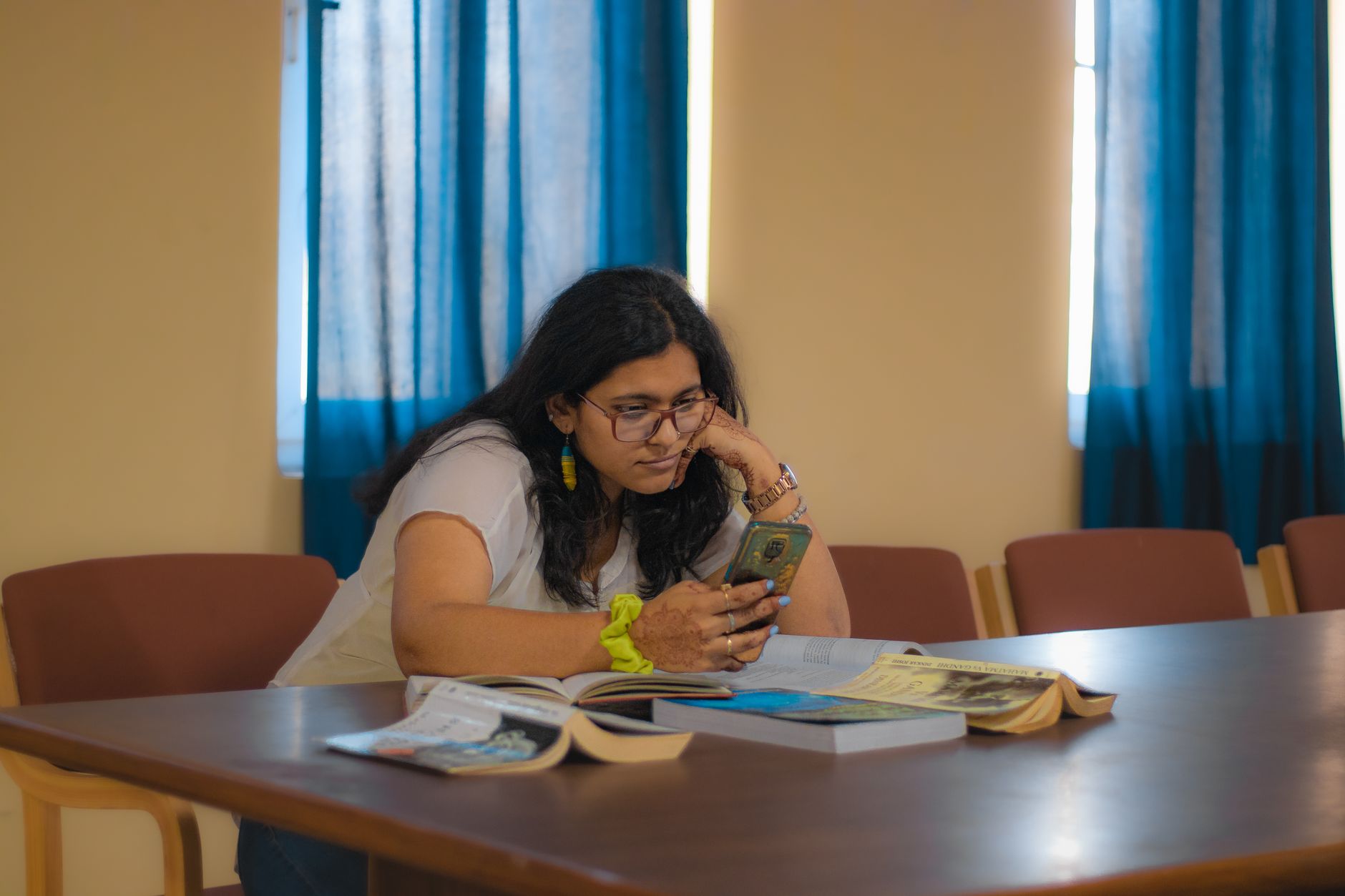
Perhaps the most encouraging trend has been the narrowing of gender disparity in higher education. Female enrolment has increased at a faster pace than male enrolment, with women now constituting a larger share of the student population than ever before. In several disciplines, female students have achieved parity or even outnumber their male counterparts.
This shift reflects changing societal attitudes, increased awareness about the importance of women's education, and specific scholarship schemes designed to support female students, particularly from economically weaker sections and minority communities. Despite these gains, challenges remain in ensuring women's participation in certain technical and professional courses where gender imbalances persist.
Institutional Expansion and Diversification
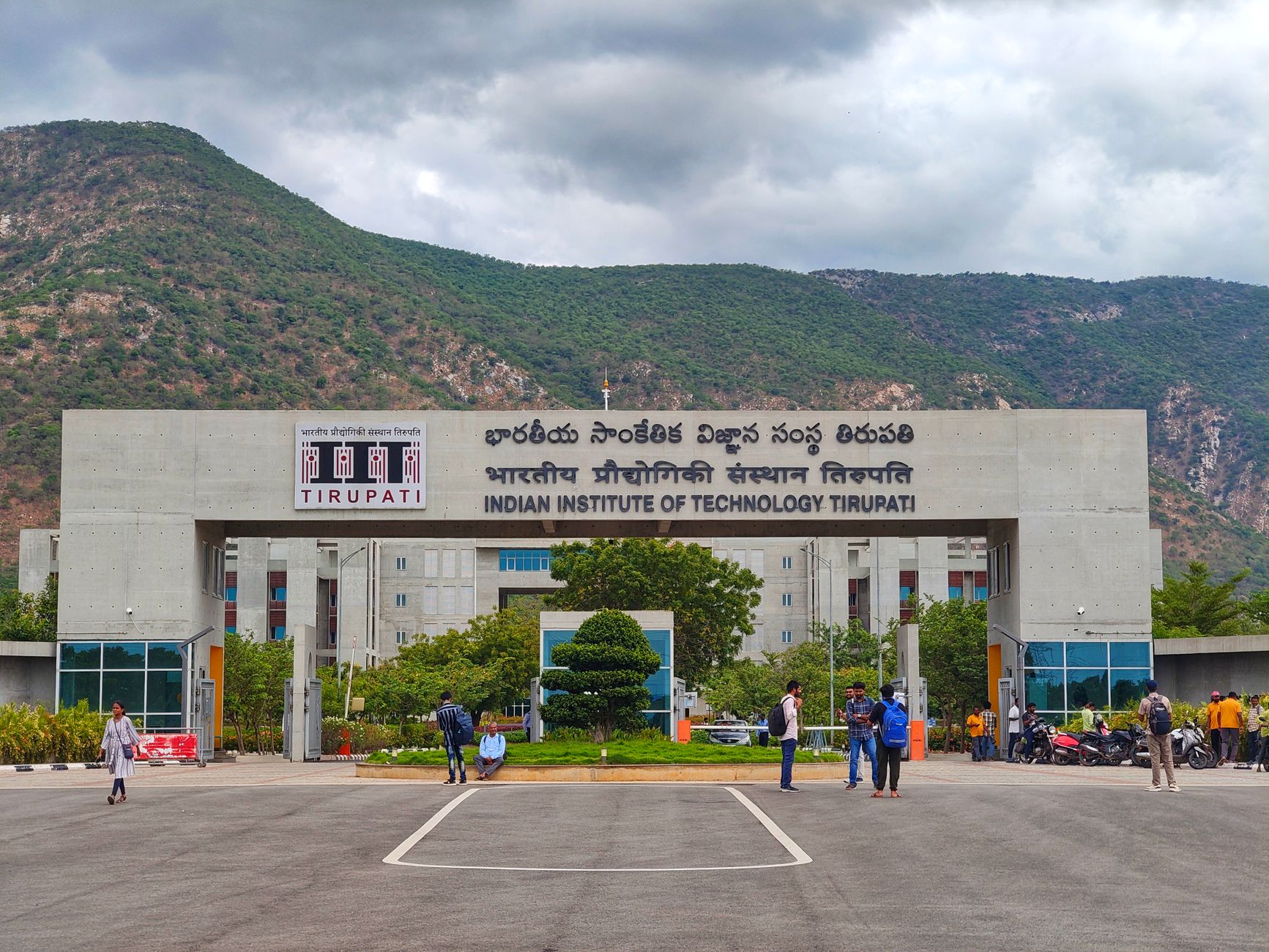
The higher education ecosystem has expanded significantly with the establishment of numerous new universities, colleges, and specialized institutions. This includes central universities in previously underserved states, Indian Institutes of Technology (IITs), Indian Institutes of Management (IIMs), All India Institutes of Medical Sciences (AIIMS), and other institutions of national importance.
Private sector participation has also intensified, with private universities and colleges accounting for a growing share of total institutions. This diversification has created more choices for students but has also raised questions about quality assurance and affordability.
Growth in Professional and Vocational Education
There has been a noticeable shift in student preferences toward professional and vocational courses. Enrolment in disciplines such as engineering, management, computer applications, and healthcare has grown substantially. This trend aligns with market demands and the aspirations of students seeking better employment prospects.
Simultaneously, traditional arts and science programs have seen relatively slower growth, prompting discussions about the need to make these disciplines more relevant and attractive to contemporary students.
Faculty Shortage and Quality Concerns
Despite institutional expansion, the faculty shortage remains a critical challenge. The student-teacher ratio has remained suboptimal in many institutions, affecting the quality of education delivery. Filling vacant faculty positions, particularly in government institutions, continues to be a persistent problem.
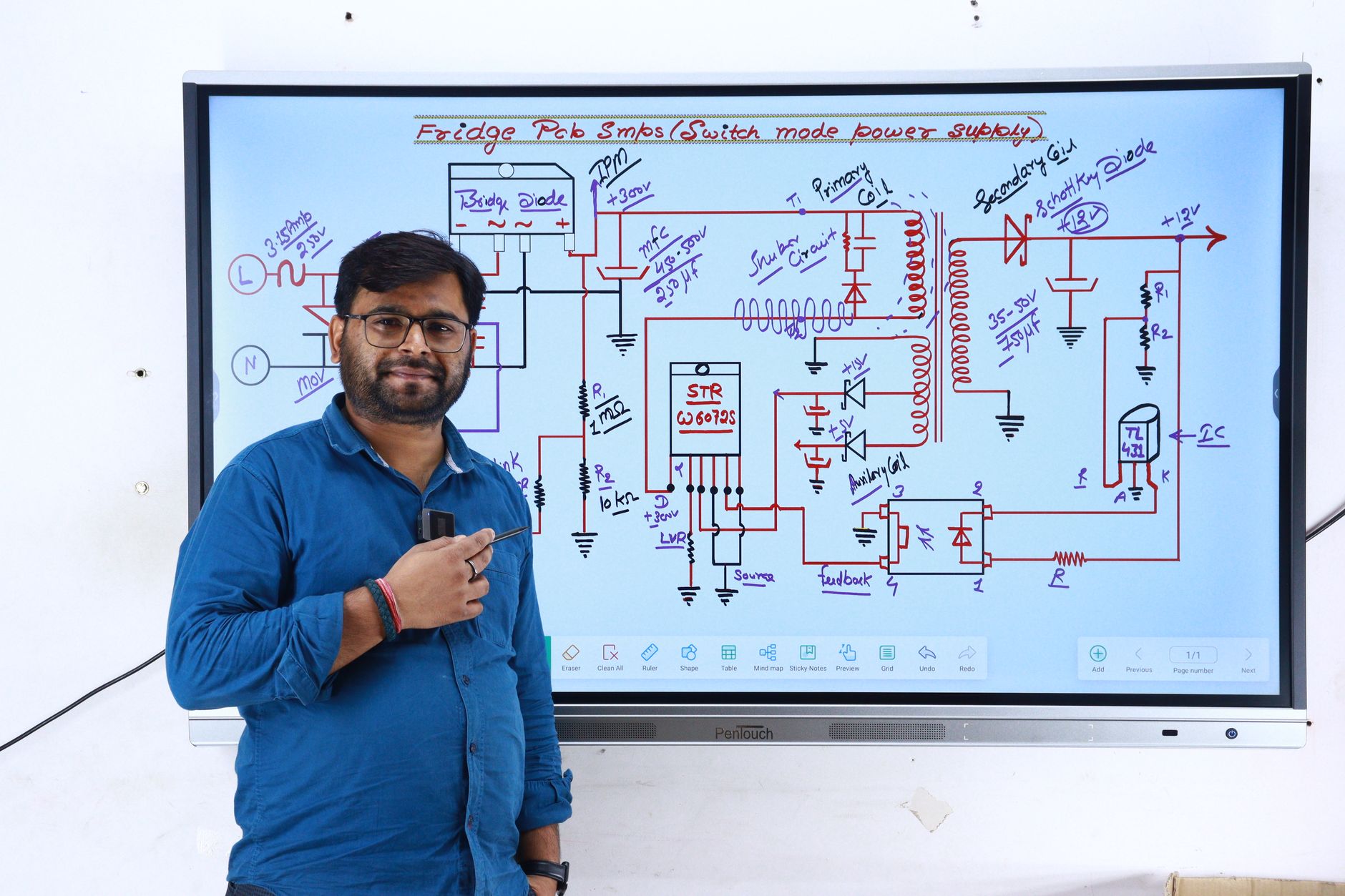
Additionally, there is growing emphasis on faculty development, research output, and the need for teachers to update their skills in line with evolving pedagogical methods and technological advancements.
Digital Transformation and Online Learning
The decade, particularly accelerated by the COVID-19 pandemic, witnessed significant digital transformation. Online learning platforms, digital libraries, and virtual classrooms became integral to higher education. Initiatives promoting Massive Open Online Courses (MOOCs) and blended learning models have democratized access to quality content, though the digital divide remains a concern for students from disadvantaged backgrounds.
Regional Disparities and Inclusion Challenges
While aggregate numbers show impressive growth, regional disparities persist. States in southern and western India continue to outperform those in eastern and northeastern regions in terms of GER and quality metrics. Similarly, representation of students from Scheduled Castes, Scheduled Tribes, and Other Backward Classes, while improving, requires sustained policy attention.
The Road Ahead
The transformation of India's higher education sector from 2014 to 2024 demonstrates significant progress in expanding access and improving participation. However, challenges related to quality, employability, research output, and equitable access require continued focus. As India aims to become a global knowledge hub, sustained investment in infrastructure, faculty development, and innovative pedagogical approaches will be essential to realize the sector's full potential.