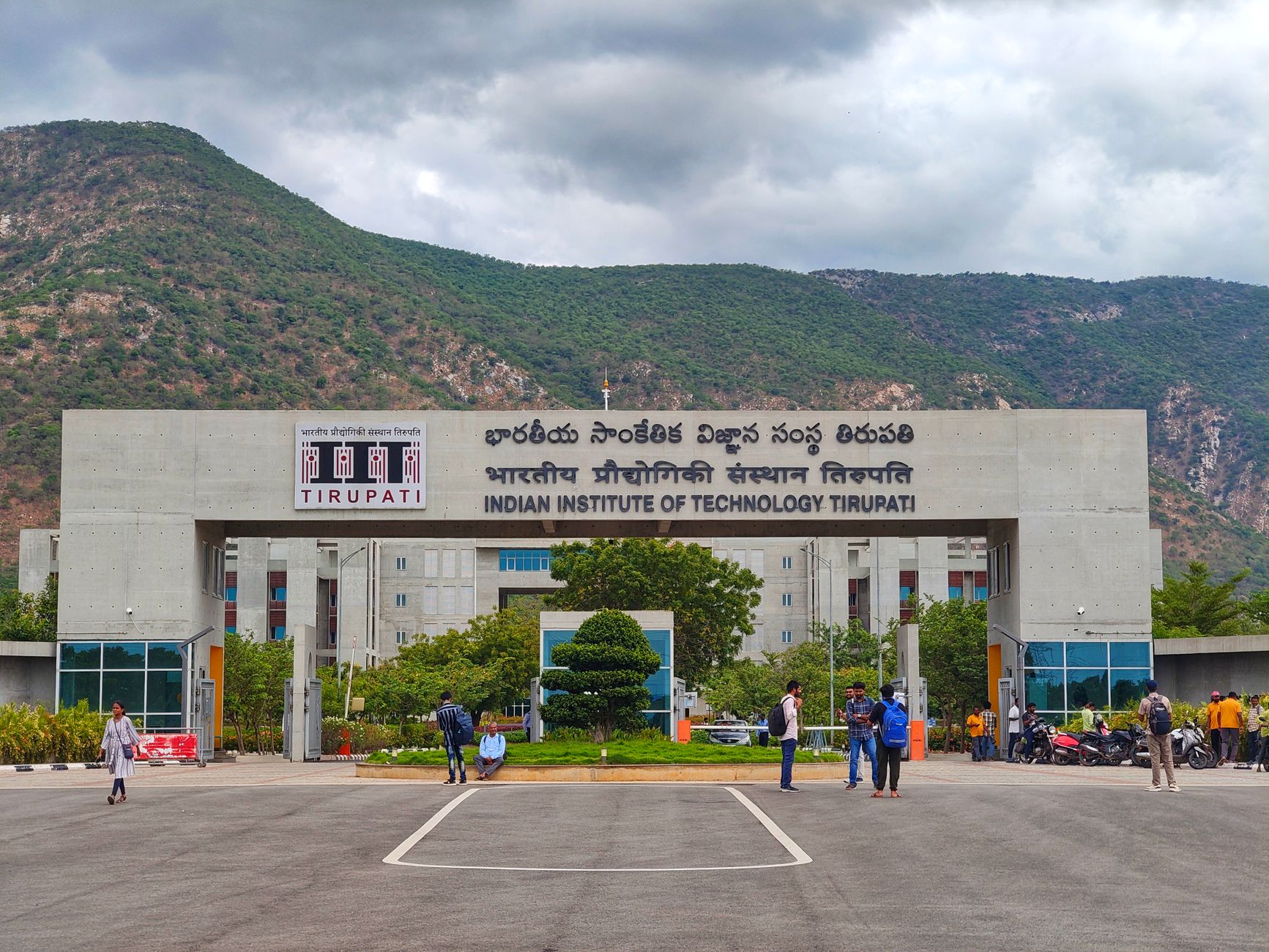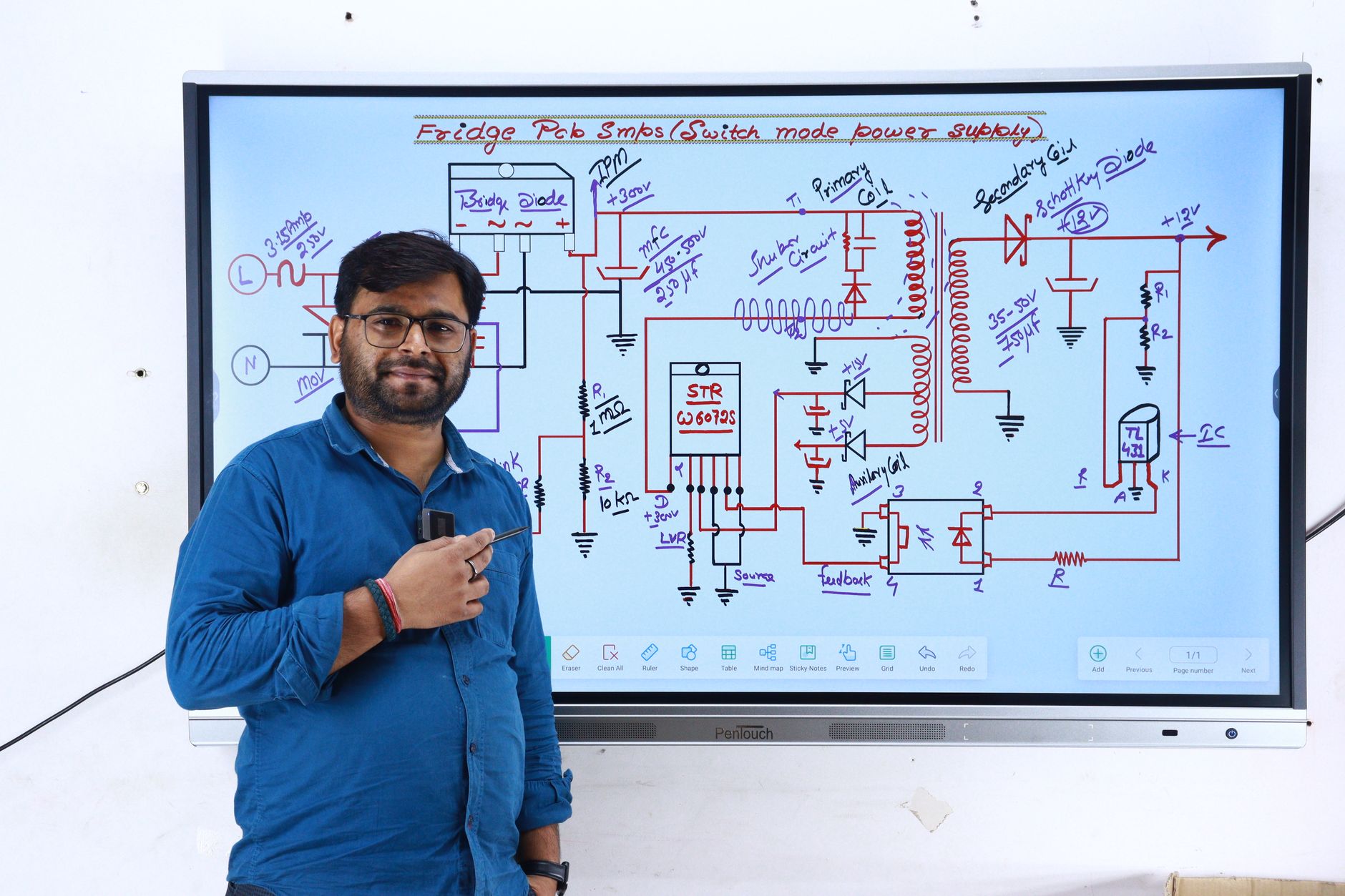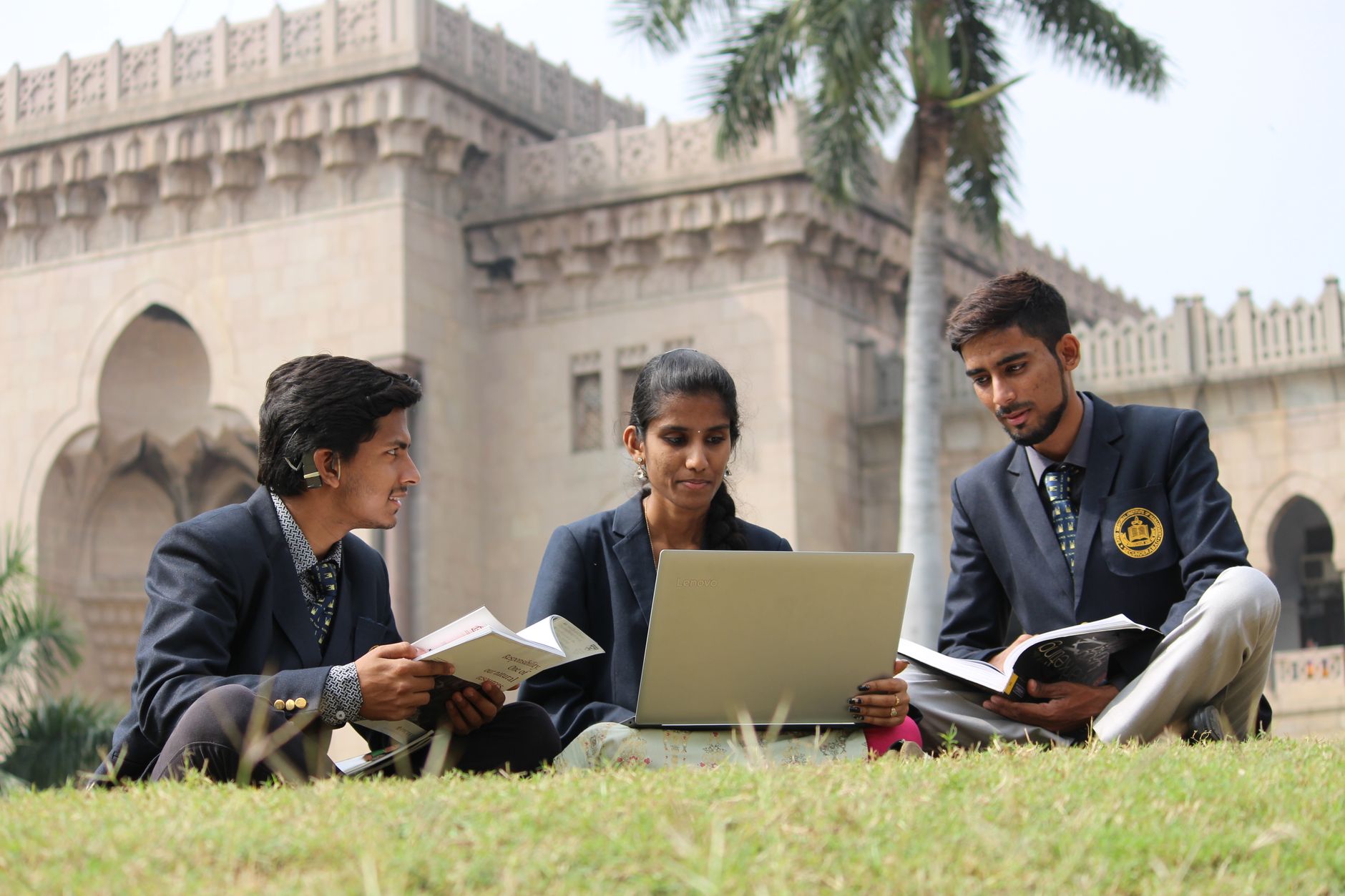
India's higher education sector has undergone a remarkable transformation over the past ten years, with total enrolment swelling to 4.5 crore students. This substantial increase reflects not only the growing aspirations of Indian youth but also improved access to colleges and universities across the nation. The expansion represents one of the most significant developments in the country's educational infrastructure and social progress.
The Numbers Tell a Story of Progress
The jump to 4.5 crore enrolled students marks a considerable achievement for a country that has long grappled with challenges in providing quality education to its vast population. This growth has been facilitated by several factors including the establishment of new universities, colleges, and technical institutions in previously underserved regions. The expansion of the higher education network has brought opportunities closer to students in tier-2 and tier-3 cities, reducing the need for expensive migration to metropolitan areas.
The growth rate demonstrates that more Indian families are now prioritizing tertiary education, viewing it as essential for economic mobility and career success. This shift in mindset, coupled with government initiatives and private sector participation, has created an ecosystem where higher education is becoming increasingly accessible.
Female Participation: The Game Changer
Perhaps the most encouraging aspect of this enrolment surge is the dramatic increase in female participation. Traditionally, Indian society has faced significant gender gaps in education, with cultural norms, safety concerns, and economic constraints often limiting girls' access to higher education. The recent trends suggest a positive reversal of these historical patterns.
Several factors have contributed to this welcome change:
- Increased establishment of women's colleges and hostels in smaller towns and cities
- Growing awareness among parents about the importance of educating daughters
- Government scholarship schemes specifically targeting female students
- Improved campus safety measures and policies
- Rising female role models in professional fields inspiring younger generations
- Economic necessity driving dual-income household models
The participation of women in higher education has far-reaching implications beyond individual achievement. Educated women contribute to better health outcomes for families, improved economic productivity, and the breaking of intergenerational cycles of poverty.
Challenges That Remain
Despite the impressive growth figures, India's higher education sector continues to face significant challenges. The Gross Enrolment Ratio, which measures the percentage of eligible age-group population enrolled in higher education, still lags behind many developed and developing nations. Quality remains a concern, with many institutions struggling with inadequate infrastructure, faculty shortages, and outdated curricula that do not align with industry requirements.
The expansion has also been uneven across states and communities. While some regions have witnessed exponential growth, others continue to grapple with basic access issues. Students from economically weaker sections, particularly in rural areas, still face barriers related to affordability and awareness.
Employment outcomes represent another area requiring attention. The rapid expansion in enrolment has not always been matched by corresponding improvements in employability skills, leading to concerns about educated unemployment.
Looking Ahead
The growth trajectory of Indian higher education suggests continued expansion in the coming years. The implementation of the National Education Policy 2020 aims to further transform the sector through multidisciplinary education, flexible degree options, and enhanced focus on research and innovation.
Digital learning platforms have democratized access to quality educational content, and the COVID-19 pandemic has accelerated the adoption of technology in education delivery. These developments could further boost enrolment numbers while improving quality.
For female participation to continue its upward trend, sustained efforts are needed to address safety concerns, provide adequate infrastructure, and challenge regressive social attitudes that still persist in some communities. Mentorship programs, career counseling, and industry partnerships can help ensure that increased enrolment translates into meaningful career opportunities.
The achievement of 4.5 crore students in higher education represents more than just a statistical milestone. It signifies changing aspirations, evolving social norms, and the recognition of education as a fundamental driver of individual and national progress. The surge in female participation, in particular, holds the promise of a more equitable and prosperous future for India.