India faces increasingly severe heatwaves each year, with temperatures regularly exceeding 45 degrees Celsius in many regions during summer months. While the country has implemented various heat action plans across states and cities, public health experts are raising concerns that these responses lack the comprehensive, evidence-based approach needed to protect citizens effectively.
The Current State of Heat Action Plans
Heat action plans were introduced in India following the devastating 2010 heatwave in Ahmedabad, which claimed over 1,300 lives. Since then, numerous cities and states have adopted their own versions, typically focusing on immediate interventions during extreme heat events. These measures often include issuing heat alerts, distributing water, setting up cooling centers, and advising people to stay indoors during peak heat hours.
While these interventions provide crucial short-term relief, they operate primarily as emergency responses rather than comprehensive public health strategies. The plans tend to activate only when temperatures cross specific thresholds, missing the broader picture of how sustained heat exposure affects population health over time.
Missing the Bigger Health Picture
A public health approach to heat would examine multiple dimensions beyond emergency response. This includes understanding how different populations are affected, identifying vulnerability factors, implementing preventive measures, and integrating heat considerations into urban planning and healthcare systems.
Current heat responses often overlook critical public health elements such as:
- Long-term health impacts of repeated heat exposure on workers, children, and elderly populations
- Heat-related illness surveillance and reporting mechanisms
- Integration with primary healthcare systems for early detection and treatment
- Occupational health standards for outdoor and indoor workers in high-heat conditions
- Building design codes that prioritize cooling without excessive energy consumption
- Green infrastructure planning to reduce urban heat island effects
Vulnerable Populations Left Behind
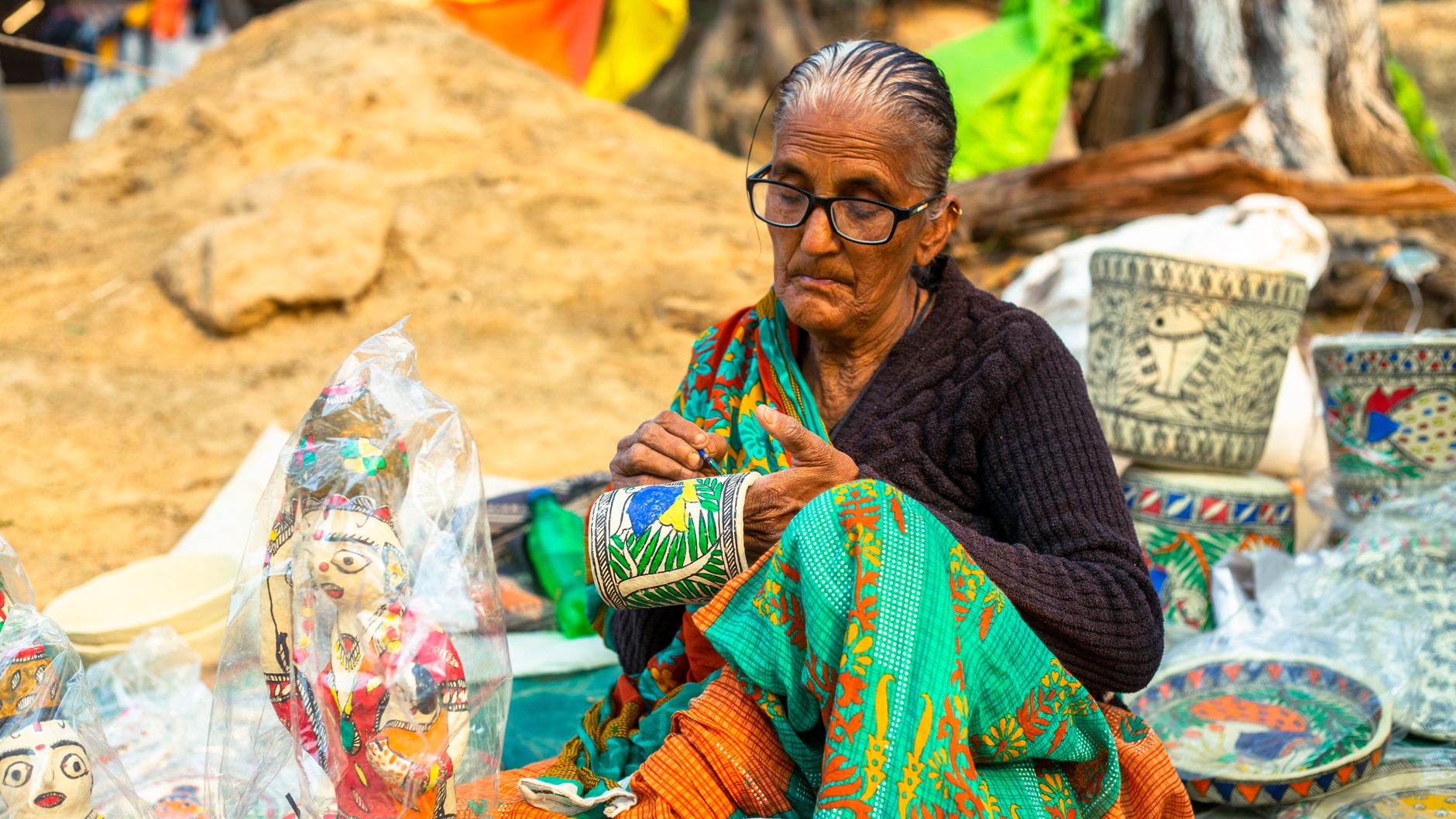
The lack of a comprehensive public health framework particularly affects India's most vulnerable groups. Outdoor laborers, including construction workers, agricultural workers, and street vendors, face daily heat exposure with minimal protection. Many lack access to adequate shade, water, or the ability to take breaks during peak heat hours without losing income.
Similarly, urban poor communities living in informal settlements with tin roofs and no cooling options experience extreme indoor temperatures. Pregnant women, elderly individuals with chronic conditions, and young children in these communities face heightened health risks that current action plans inadequately address.
The Data Gap Problem
Effective public health responses require robust data collection and analysis. However, India lacks comprehensive systems to track heat-related illnesses and deaths accurately. Many heat-related health impacts are not recorded as such, particularly when heat exacerbates existing conditions like cardiovascular or respiratory diseases.
Without reliable data on who is being affected, where, and how, it becomes difficult to design targeted interventions or allocate resources effectively. This data gap also makes it challenging to evaluate whether existing heat action plans are actually reducing heat-related mortality and morbidity.
What a Public Health Approach Would Look Like
Integrating public health logic into heat responses would require several shifts in approach. First, heat management should be viewed as a year-round priority rather than a seasonal emergency, with continuous monitoring, planning, and capacity building.
Healthcare workers at all levels need training to recognize and treat heat-related illnesses. Primary health centers should be equipped with protocols and resources for managing heat-affected patients. Community health workers could play a vital role in identifying vulnerable individuals and providing education on heat protection.
Urban planning decisions should incorporate heat considerations from the outset, including mandating heat-resistant building materials, increasing green cover, and ensuring adequate access to water and cooling spaces in all neighborhoods.
Moving Forward
As climate change intensifies heatwaves in frequency and severity, India's response must evolve from reactive emergency management to proactive public health strategy. This requires coordination across sectors including health, urban development, labor, education, and environment.
Investment in research to understand heat impacts on Indian populations, development of heat-health surveillance systems, and creation of enforceable standards for heat protection in workplaces would strengthen the public health foundation of heat responses.
The challenge is significant, but so are the stakes. With hundreds of millions of Indians facing increased heat exposure in coming decades, building a comprehensive, equity-focused public health response to heat is not optional—it is essential for protecting lives and livelihoods.
This article is for general informational purposes only and does not constitute medical or public health advice. Readers should consult qualified healthcare professionals and follow official government guidelines regarding heat safety and health protection.