India's healthcare landscape presents one of the world's most complex public health scenarios, combining a population exceeding 1.4 billion people with vast economic disparities and geographic diversity. Understanding the current state of health and welfare in India requires examining both the persistent challenges and the significant strides made in recent years.
The Current Healthcare Infrastructure
India operates a mixed healthcare system comprising public and private sectors. The public healthcare system is structured in three tiers: primary health centers in villages, community health centers at block levels, and district hospitals in cities. Despite this framework, the system faces critical resource constraints, with India spending approximately 3-4% of its GDP on healthcare, lower than many developing nations.
The private sector dominates healthcare delivery, accounting for nearly 70% of all healthcare spending. While private hospitals offer advanced treatments and attract medical tourism, their services remain financially out of reach for large segments of the population, particularly in rural areas where approximately 65% of Indians reside.
Major Health Challenges
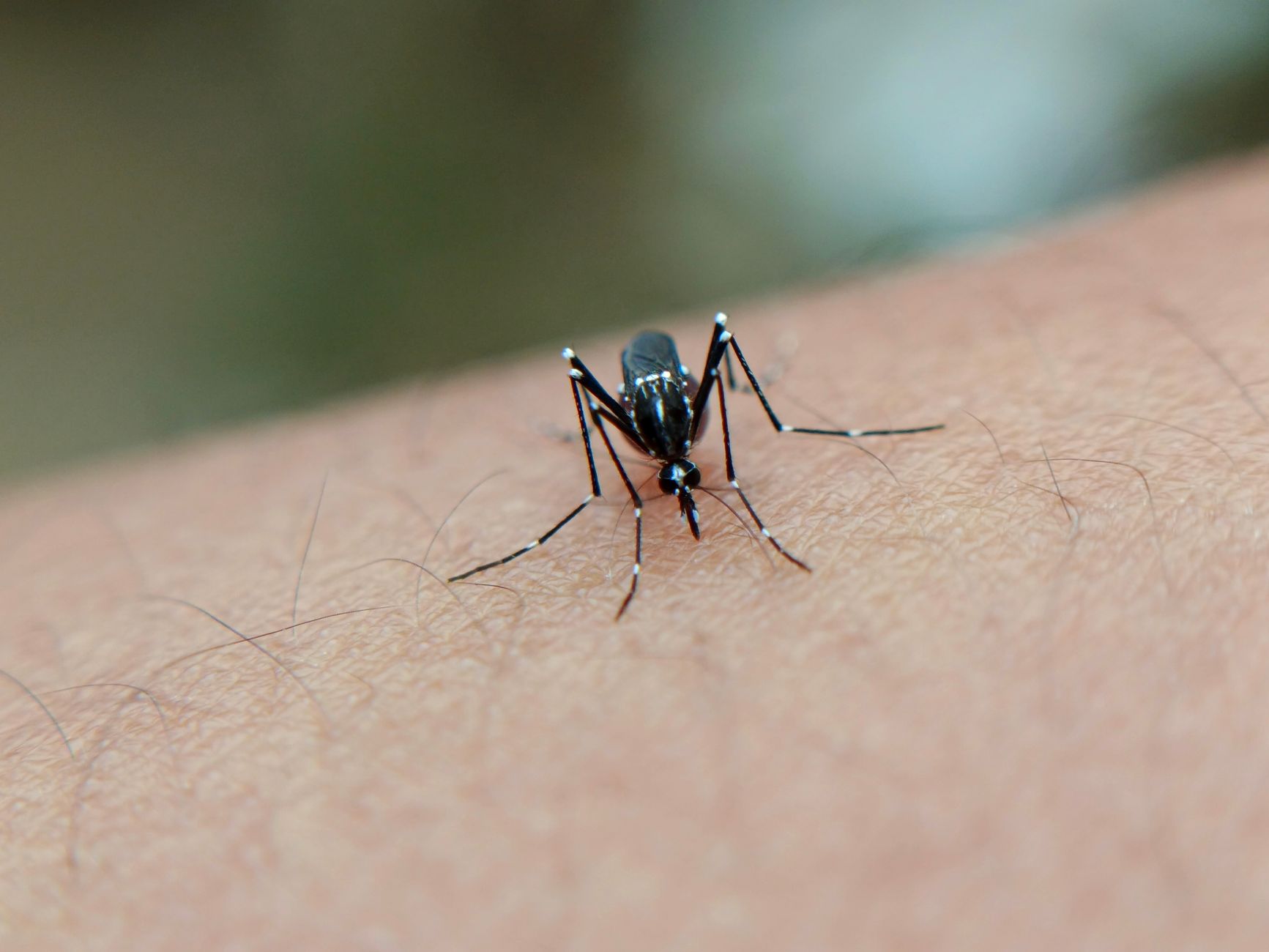
India continues to battle a dual disease burden. Communicable diseases like tuberculosis, malaria, and dengue remain prevalent, while non-communicable diseases such as diabetes, cardiovascular conditions, and cancer are rising rapidly due to lifestyle changes and urbanization.
Maternal and child health indicators, though improving, still require attention. The infant mortality rate has decreased significantly over recent decades but remains higher than desired benchmarks. Malnutrition among children under five continues to affect physical and cognitive development, impacting long-term productivity.
Access to healthcare remains uneven. Rural areas face acute shortages of doctors, nurses, and medical equipment. The doctor-to-patient ratio in India stands at approximately 1:1,400, below the WHO recommendation of 1:1,000. Many rural residents must travel long distances to reach adequate medical facilities, creating barriers to timely treatment.
Government Welfare Initiatives
The Indian government has launched several ambitious programs to address healthcare gaps. The Ayushman Bharat scheme, introduced in 2018, represents the world's largest government-funded healthcare program, providing health insurance coverage of up to 500,000 rupees per family annually for over 500 million vulnerable citizens. This initiative aims to reduce out-of-pocket healthcare expenses that push millions into poverty each year.
The National Health Mission focuses on strengthening primary healthcare infrastructure, particularly in rural and underserved areas. It emphasizes maternal health, child health, and immunization programs, contributing to declining mortality rates.
India's vaccination programs have achieved remarkable success, with initiatives like Mission Indradhanush expanding immunization coverage against preventable diseases. The recent COVID-19 vaccination drive demonstrated India's capacity to execute large-scale public health campaigns, administering over 2 billion doses.
Digital Health Revolution
Technology is transforming healthcare delivery in India. Telemedicine platforms have expanded dramatically, connecting patients in remote areas with specialist doctors in urban centers. The Ayushman Bharat Digital Mission aims to create a unified digital health infrastructure, including unique health IDs for citizens, digitized health records, and a registry of healthcare providers.
Mobile health applications provide health information, appointment booking, and consultation services, making healthcare more accessible to smartphone users. E-pharmacies have emerged, delivering medicines to doorsteps, particularly beneficial during the pandemic.
Traditional Medicine Integration
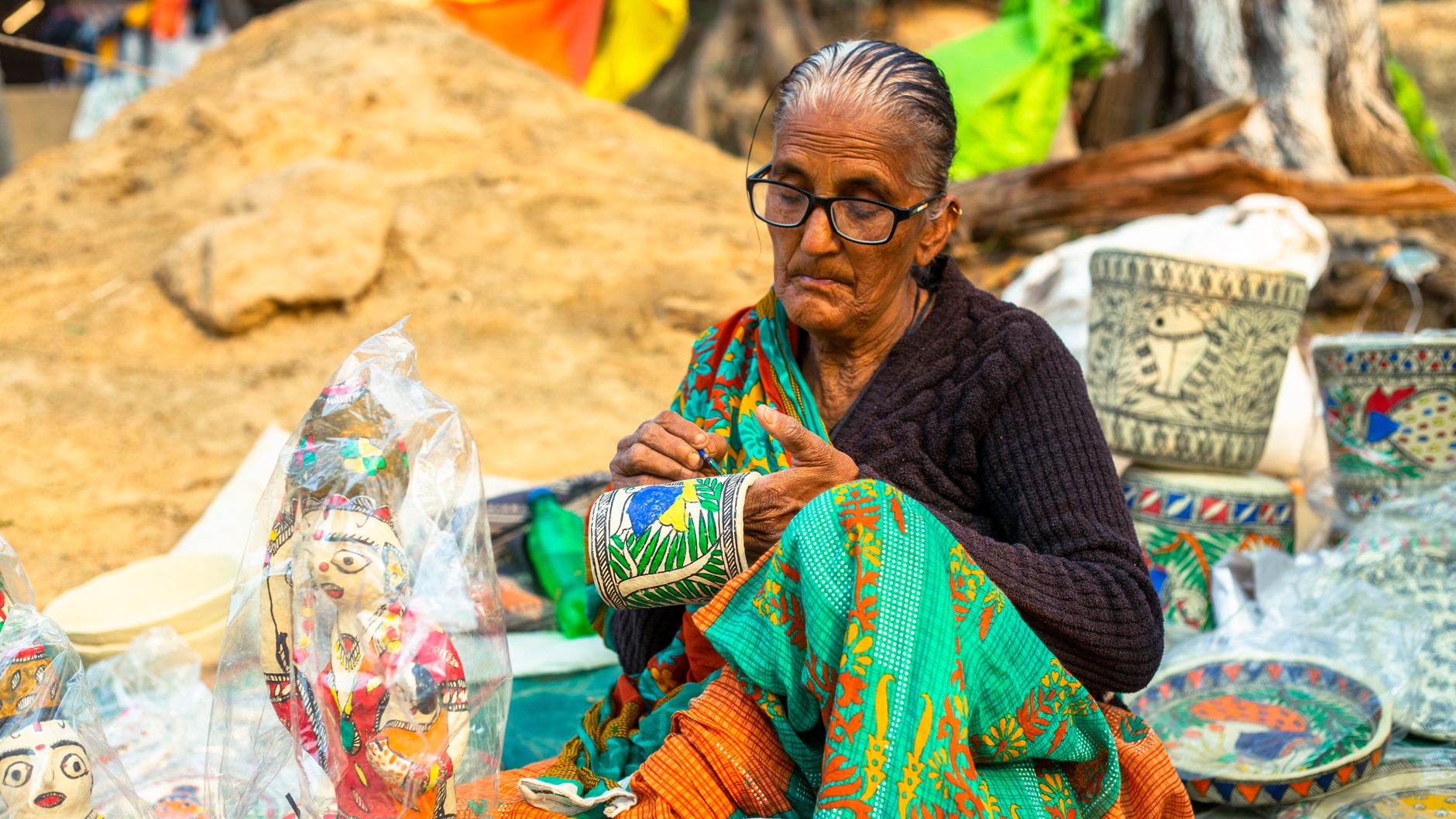
India's healthcare system uniquely incorporates traditional medicine systems including Ayurveda, Yoga, Unani, Siddha, and Homoeopathy, collectively known as AYUSH. The government promotes these systems alongside modern medicine, establishing dedicated hospitals and research institutions. This integration acknowledges India's rich medical heritage while addressing healthcare accessibility challenges.
Population Health Trends
India's population dynamics significantly impact health planning. While the fertility rate has declined to near replacement levels, population momentum means continued growth for several decades. An aging population presents new challenges, requiring expanded geriatric care services and management of age-related chronic diseases.
Urbanization brings both opportunities and health risks. Better access to healthcare facilities in cities contrasts with increased pollution, sedentary lifestyles, and stress-related conditions. Urban slums present concentrated public health challenges with overcrowding and inadequate sanitation.
The Path Forward
Addressing India's healthcare challenges requires sustained investment in infrastructure, healthcare workforce expansion, and continued innovation in service delivery. Strengthening primary healthcare, improving health education, and ensuring equitable access across socioeconomic groups remain priorities.
The integration of technology, government welfare schemes, and private sector participation offers promise for creating a more robust healthcare system capable of serving India's vast and diverse population effectively.
This article provides general information about India's healthcare system and is not intended as medical, financial, or policy advice. Readers should consult qualified professionals for specific healthcare needs and verify current program details with official sources.