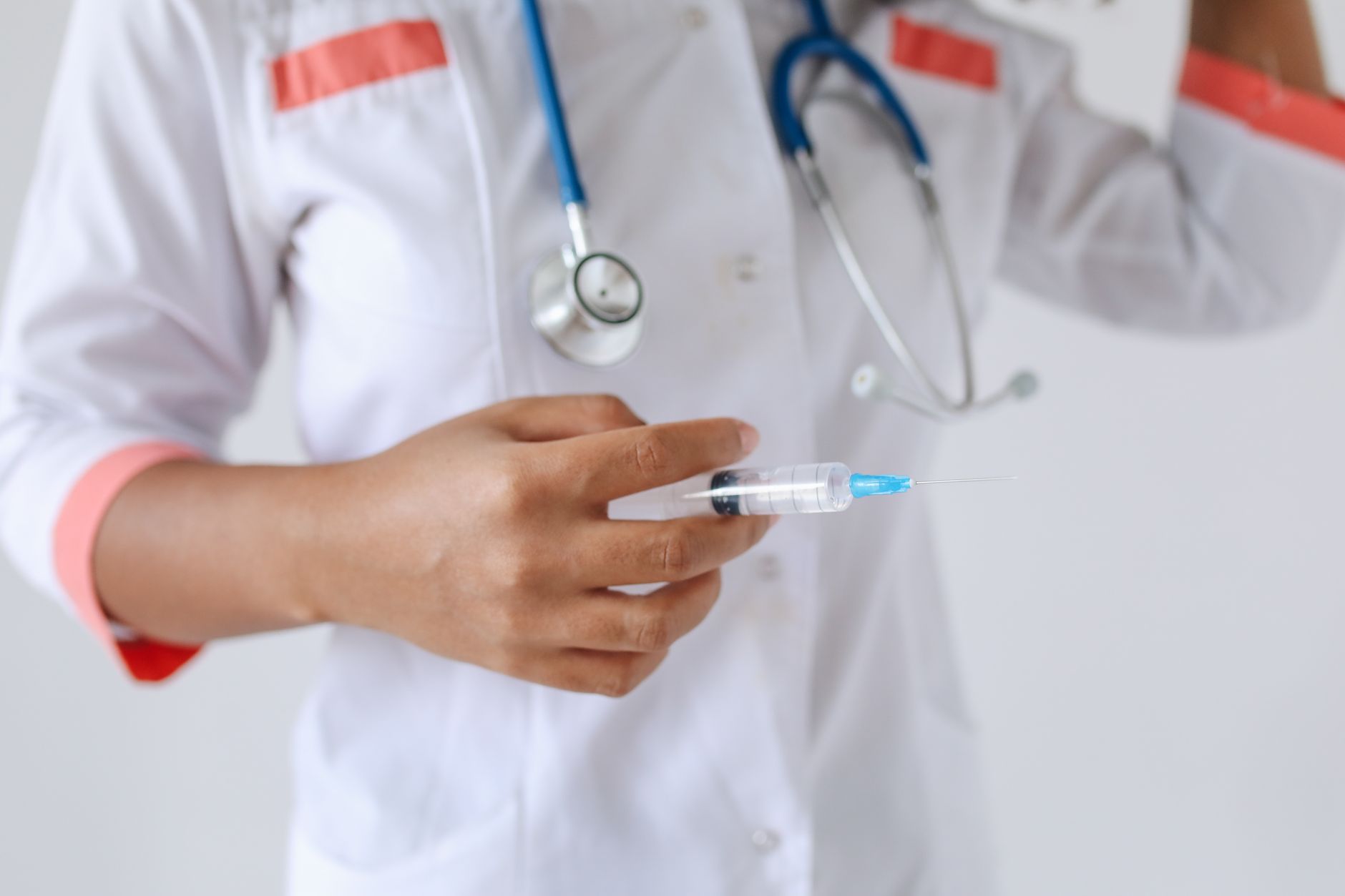
When Indian athletes compete on the international stage, an often-overlooked team works tirelessly behind the scenes to ensure peak performance: the medical team. Dr. Dinshaw Pardiwala, a prominent sports medicine specialist, recently shed light on the extensive health protocols implemented to keep India's contingent healthy during the Commonwealth Games in Glasgow, emphasizing a zero-tolerance approach to illness that could derail athletic performance.
The Challenge of International Competition
International sporting events present unique health challenges for athletes. Travel fatigue, climate changes, unfamiliar environments, and close quarters in athlete villages create ideal conditions for infectious diseases to spread. The flu, in particular, poses a significant threat as it can spread rapidly among athletes and support staff, potentially affecting performance or forcing withdrawals from competition.
For India's medical team, preventing illness outbreaks became as crucial as managing injuries. Athletes train for years to compete at such events, and even a minor illness can significantly impact performance or eliminate medal chances entirely.
Comprehensive Prevention Strategies
The medical team's approach involved multiple layers of protection. Prevention began well before departure, with athletes receiving necessary vaccinations and health screenings. The medical staff assessed each athlete's health status, identifying those who might be more vulnerable to infections due to intense training schedules that can temporarily suppress immune function.
Key preventive measures included:
- Hand hygiene protocols with strategically placed sanitization stations
- Regular health monitoring and temperature checks
- Isolation protocols for anyone showing early symptoms
- Education sessions on infection prevention for athletes and support staff
- Nutritional support to maintain optimal immune function
- Adequate rest and recovery scheduling to prevent immune suppression
The Role of Sports Medicine in Modern Athletics
Dr. Pardiwala's insights highlight how sports medicine has evolved beyond treating injuries. Modern sports physicians serve as health guardians, employing preventive medicine, nutrition science, and public health principles to create protective shields around athletes.
The medical team maintained constant vigilance throughout the Games, conducting regular health checks and monitoring for early warning signs of illness. This proactive approach allowed for immediate intervention if anyone showed symptoms, preventing potential spread to other team members.
Environmental and Logistical Considerations
Glasgow's climate and environment presented specific challenges. The medical team had to account for weather conditions, indoor air quality in accommodations, and the potential for respiratory infections common in such settings. They worked closely with organizers to ensure proper ventilation in Indian team areas and maintained high standards of cleanliness.
The team also managed the challenge of jet lag and its impact on immunity. Disrupted sleep patterns and circadian rhythms can temporarily weaken immune defenses, making athletes more susceptible to infections. Recovery protocols and sleep hygiene became integral parts of the health shield strategy.
Lessons for Future Competitions
The success of keeping the Indian contingent flu-free offers valuable lessons for future international competitions. It demonstrates that with proper planning, resources, and vigilance, it is possible to significantly reduce illness rates even in high-risk environments.
This approach requires collaboration between medical professionals, coaches, athletes, and administrative staff. Everyone must buy into health protocols and understand their role in maintaining the collective health of the contingent.
Broader Implications for Indian Sports Medicine
The detailed health protocols implemented at the Commonwealth Games reflect the growing sophistication of Indian sports medicine. As India aims to improve its performance at international competitions, ensuring athletes remain healthy and can compete at their peak becomes increasingly important.
Investment in sports medicine infrastructure, training of specialized sports physicians, and integration of preventive health strategies into athlete preparation programs will likely become standard practice. The Commonwealth Games experience provides a blueprint for future events, including Olympic preparations.
The success story also highlights the need for adequate resources for medical teams, including sufficient personnel, equipment, and authority to implement necessary health measures. When medical teams receive proper support, they can create the protective environments that allow athletes to focus entirely on their performance.
Dr. Pardiwala's revelation of the "no flu on our watch" approach demonstrates that excellence in sports requires excellence in health management, proving that sometimes the biggest victories happen away from the competition venue.