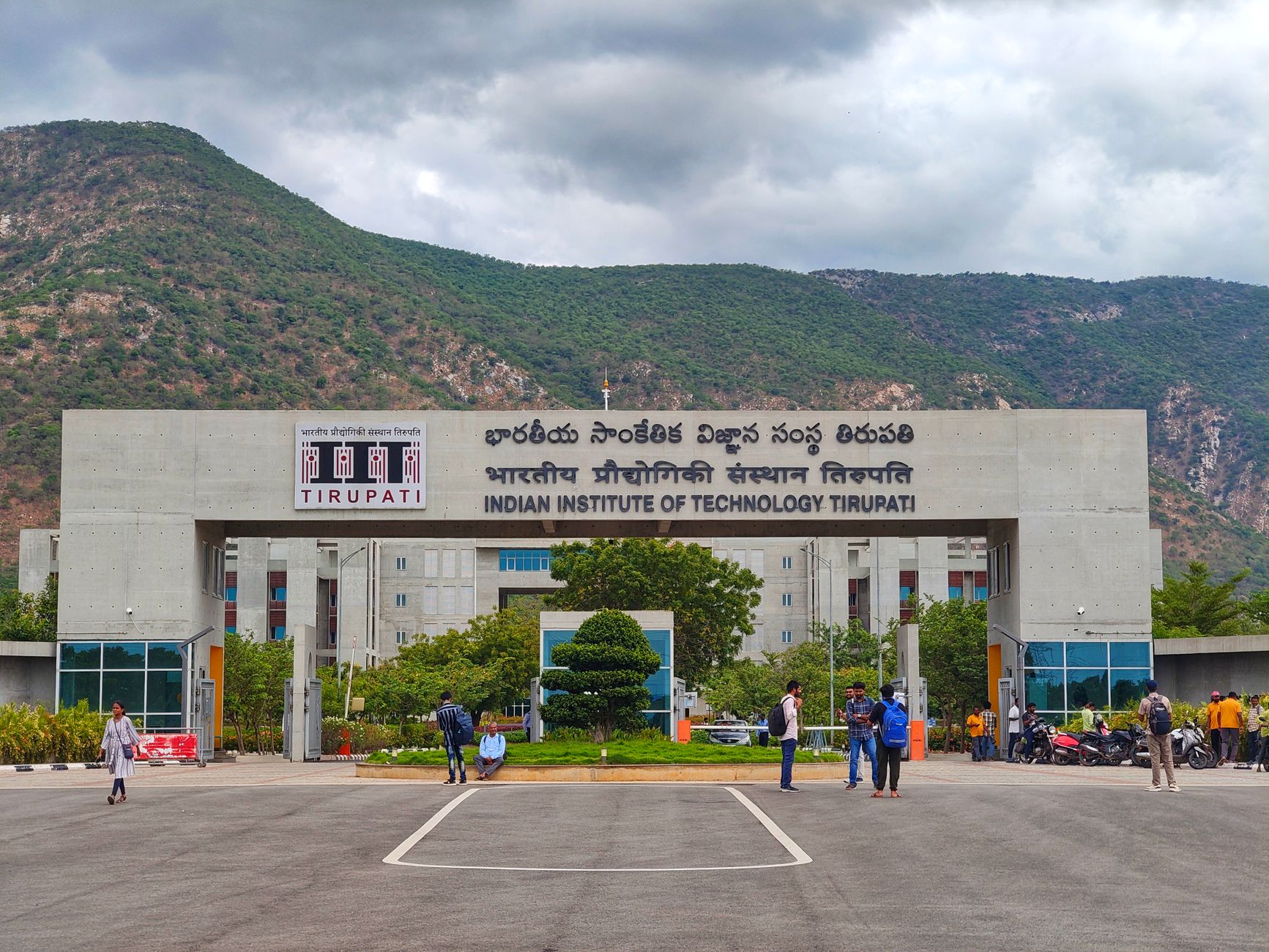
India's higher education landscape has undergone a remarkable transformation over the past two decades. The number of colleges and universities has multiplied, driven by both government initiatives to increase access and private sector investment. However, this expansion has created an unexpected crisis: millions of educated young Indians are finding themselves unemployed or underemployed, often burdened with significant debt from their studies.
The Numbers Behind the Crisis
India produces approximately 15 million graduates annually, making it one of the world's largest producers of college-educated youth. However, employment opportunities have not kept pace with this output. According to various employment reports, the unemployment rate among educated youth is significantly higher than the national average, with some estimates suggesting that nearly half of all graduates remain unemployed or work in jobs unrelated to their qualifications.
The expansion of colleges has been particularly dramatic in tier-2 and tier-3 cities, where new institutions have opened to meet local demand. While this has democratized access to higher education, it has also raised questions about quality and market relevance.
The Debt Burden
Education loans have become increasingly common as families invest in their children's futures. Many middle-class families take on substantial debt, expecting that a college degree will lead to well-paying employment. The average education loan in India can range from several lakhs to over ten lakhs for professional courses, representing years of family savings or future income.
When graduates fail to secure employment matching their qualifications, loan repayment becomes a severe burden. This financial stress affects not just the graduates but their entire families, who often serve as guarantors or co-borrowers. The psychological impact of unemployment combined with mounting debt has become a significant social issue.
Why Degrees Aren't Translating to Jobs
Several factors contribute to this disconnect between education and employment:
- Curriculum mismatch with industry needs, particularly in rapidly evolving sectors like technology
- Overemphasis on theoretical knowledge with limited practical skills training
- Insufficient soft skills development, including communication and problem-solving abilities
- Oversupply of graduates in certain fields while others face shortages
- Quality disparities between elite institutions and the thousands of average colleges
- Limited industry collaboration in course design and delivery
Many employers report that fresh graduates require extensive training before becoming productive employees, suggesting that colleges are not adequately preparing students for workplace realities.
The Skills Gap
A significant contributor to graduate unemployment is the skills gap. While students may earn degrees in engineering, commerce, or liberal arts, they often lack the practical competencies that employers seek. Digital literacy, data analysis, communication skills, and adaptability are frequently missing from college curricula.
Furthermore, rapid technological change means that what students learn in their first year may become outdated by graduation. Without continuous curriculum updates and industry partnerships, colleges struggle to keep pace with evolving job market demands.
The Prestige Paradox
Indian society places enormous value on college degrees, viewing them as essential for social mobility and marriage prospects. This cultural pressure drives families to invest in higher education regardless of job market realities. However, a degree from an average institution no longer guarantees the middle-class lifestyle it once promised.
Meanwhile, competition for positions at elite institutions remains fierce, with entrance exams attracting millions of aspirants for limited seats. The vast majority must settle for less prestigious colleges where placement rates may be poor.
Potential Solutions
Addressing this crisis requires multifaceted approaches:
- Stronger industry-academia partnerships to align curricula with market needs
- Emphasis on vocational and skill-based training alongside traditional degrees
- Better career counseling to help students make informed choices about fields of study
- Quality regulation and accreditation to improve teaching standards
- Entrepreneurship education to create job creators, not just job seekers
- Internship and apprenticeship programs to provide practical experience
Looking Forward
The graduate employment crisis reflects broader challenges in India's economic development. While the country has produced a massive educated workforce, it has not generated sufficient white-collar employment opportunities to absorb them. This has led to phenomena like overqualified individuals competing for low-skilled positions.
Reforming higher education to focus on employability rather than just enrollment numbers will be crucial. This means difficult conversations about the value proposition of various degrees and potentially redirecting students toward fields with better employment prospects, including skilled trades and vocational careers that have traditionally been undervalued in Indian society.
The current situation serves as a warning that expanding access to education, while important, must be accompanied by quality assurance and alignment with economic realities to truly benefit students and society.