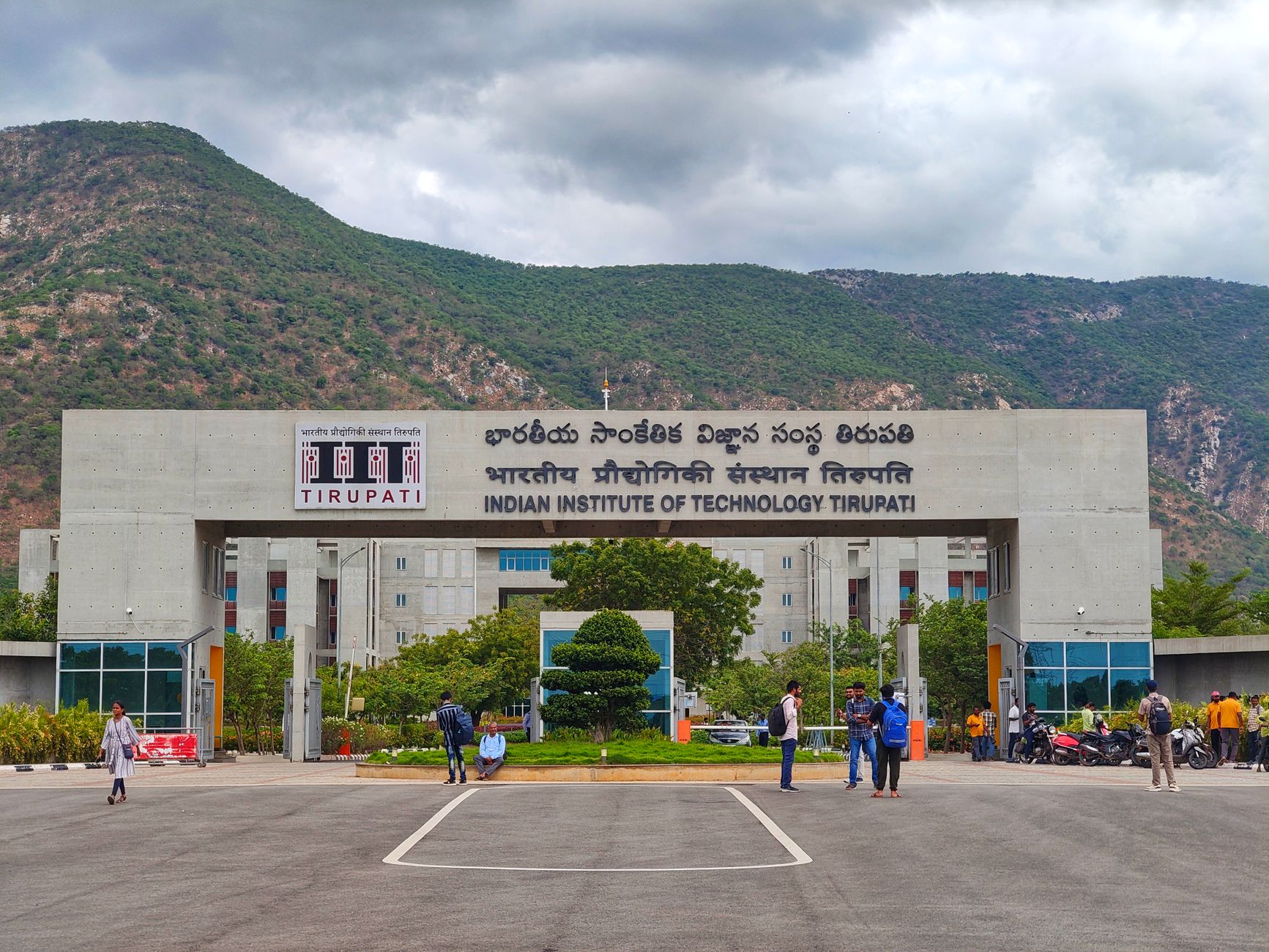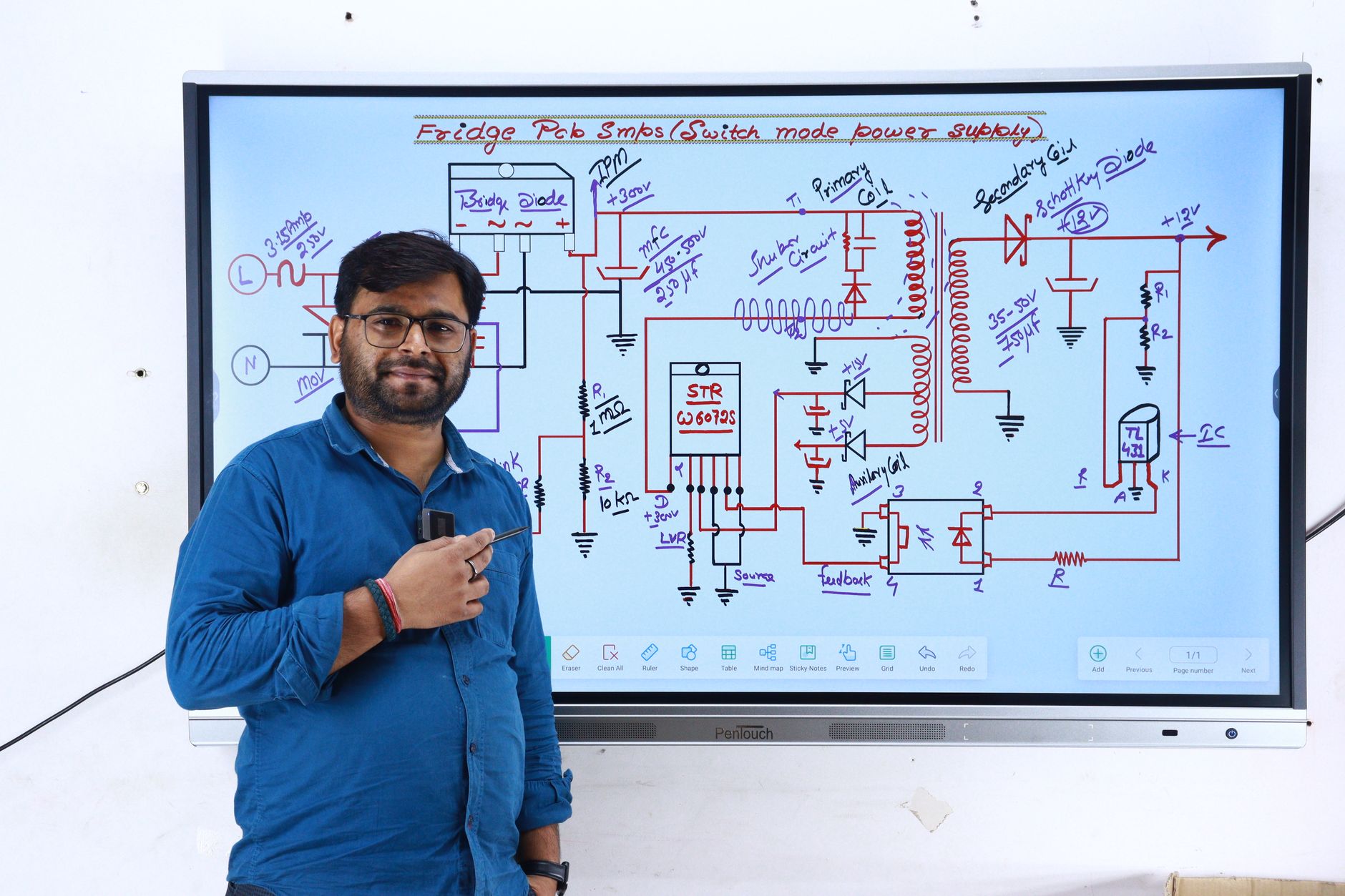
India produces millions of graduates each year across diverse disciplines, yet a startling revelation from NITI Aayog shows that barely 8.25 percent of these graduates actually work in jobs related to their field of study. This significant mismatch between educational qualifications and employment outcomes raises serious questions about the effectiveness of India's higher education system and its alignment with market demands.
Understanding the Graduate Job Mismatch
The graduate job mismatch occurs when individuals work in sectors or roles unrelated to their academic qualifications. In India's case, an engineering graduate might work in business development, while a commerce graduate could be employed in content creation. While career pivots are normal, such a low percentage working in their chosen field suggests systemic problems rather than individual preferences.
This phenomenon affects both graduates and employers. Students invest significant time, money, and effort into specialized education, expecting it to open doors in their chosen profession. When over 90 percent end up elsewhere, it indicates either a failure in curriculum design, unrealistic career expectations, or a fundamental disconnect between educational institutions and industry requirements.
Root Causes of the Mismatch
Several factors contribute to this concerning trend:
- Outdated curricula that fail to incorporate current industry practices and technologies
- Limited practical training and hands-on experience during academic programs
- Oversupply of graduates in certain fields like engineering and management
- Insufficient career counseling at the school and college levels
- Mismatch between student aspirations and ground realities of job markets
- Lack of industry-academia collaboration in course design
- Pressure on students to pursue traditional degrees regardless of aptitude
The problem is particularly acute in professional courses. India produces over 1.5 million engineering graduates annually, yet many lack job-ready skills. Similarly, graduates in humanities and pure sciences often find limited employment opportunities in their specialized areas.
Economic and Social Impact
This mismatch has far-reaching consequences for India's economy and workforce. When graduates work outside their field, their specialized education represents underutilized human capital. The nation loses potential innovation and productivity gains that come from people working in areas where they have deep knowledge.
For individuals, working outside one's field often means starting from scratch, delayed career progression, and potential dissatisfaction. The financial burden of education becomes harder to justify when the degree offers little competitive advantage in actual employment.
Employers also face challenges. They must invest additional resources in training graduates who lack relevant skills, even if they hold degrees in related fields. This increases hiring costs and extends the time needed for new employees to become productive.
Sectoral Variations
The mismatch varies significantly across sectors. Technology and healthcare show relatively better alignment, as these fields require specific technical knowledge. However, disciplines like arts, commerce, and general sciences show much lower employment correlation.
Professional services, administration, and sales roles often attract graduates from diverse educational backgrounds, as these positions prioritize soft skills and adaptability over specialized knowledge. This flexibility, while beneficial for employment rates, highlights how much of higher education may not be delivering field-specific value.
Potential Solutions
Addressing this challenge requires multi-stakeholder cooperation:
- Regular curriculum updates based on industry feedback and emerging trends
- Mandatory internships and industry exposure during degree programs
- Stronger vocational training options as alternatives to traditional degrees
- Better career counseling to help students make informed choices
- Skill-based hiring practices that value competencies over degrees
- Industry-academia partnerships for co-designed courses
- Flexibility in educational pathways allowing course corrections
Countries like Germany and Singapore have successfully reduced education-employment gaps through robust vocational training systems and close industry collaboration. India could adapt these models while respecting its unique educational landscape.
The Way Forward
The NITI Aayog finding serves as a wake-up call for educational reform. While some degree of field-switching is natural and even healthy in dynamic economies, the current 8.25 percent figure suggests systemic failure rather than individual flexibility.
Policymakers must prioritize employability alongside academic rigor. Educational institutions should track graduate outcomes and adjust programs accordingly. Students need better information and guidance to make education choices aligned with both their interests and market realities.
Ultimately, bridging the graduate job mismatch will require rethinking what higher education aims to achieve—whether it's specialized expertise, general capability building, or a combination—and ensuring curricula deliver on those objectives effectively.