India's education landscape presents a paradox. While the country has made significant strides in improving access to schooling over the past two decades, a closer examination reveals persistent challenges that threaten to undermine the sector's core mission of delivering quality learning to all children.
The Learning Crisis
The most pressing concern is the alarming gap between enrolment and actual learning. Despite near-universal primary enrolment, learning outcomes remain disturbingly poor. Various assessments consistently show that a significant proportion of students in elementary grades cannot perform basic tasks like reading simple text or solving elementary arithmetic problems appropriate for their grade level.
This learning poverty extends beyond foundational skills. Students progressing through the system often lack critical thinking abilities, problem-solving skills, and the capacity for creative expression. The focus on rote memorization and examination-oriented teaching methods has produced generations of students who can reproduce information but struggle to apply knowledge in real-world contexts.
Inequality and Access Gaps
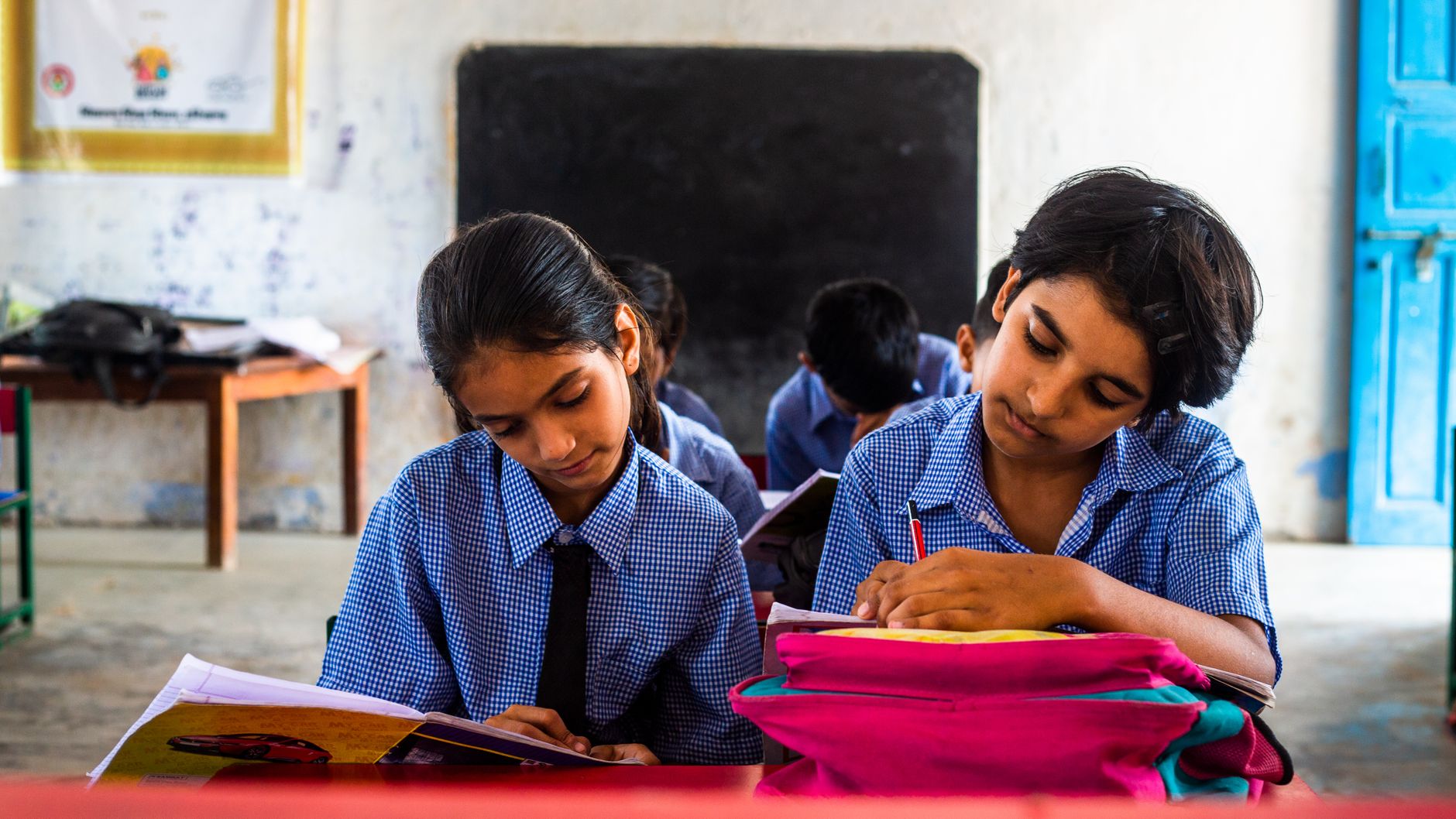
While overall enrolment has improved, deep inequalities persist across geography, gender, caste, and economic lines. Rural schools typically receive fewer resources, less qualified teachers, and inferior infrastructure compared to urban institutions. The divide between government schools and private institutions continues to widen, creating a two-tier system where educational opportunities depend heavily on socioeconomic background.
Children from marginalized communities face additional barriers. Despite reservation policies and targeted interventions, dropout rates remain higher among scheduled castes, scheduled tribes, and economically disadvantaged groups. Girls, particularly in rural areas, continue to face challenges in accessing and completing education, especially at secondary and higher levels.
Teacher Quality and Training
The teaching profession faces a crisis of its own. Many schools operate with vacancies or employ undertrained teachers. The quality of teacher training institutions varies dramatically, and continuing professional development opportunities are limited or ineffective. Teachers often lack support in adopting new pedagogical methods or integrating technology into their classrooms.
Moreover, teachers are frequently burdened with non-teaching responsibilities, including administrative tasks, census duties, and election-related work, which distracts from their primary educational mission. Low morale, inadequate compensation in some states, and limited career progression opportunities further compound the problem.
Infrastructure and Resource Deficits
Despite government initiatives, many schools lack basic infrastructure. Inadequate classroom space, poor sanitation facilities, unavailability of drinking water, and absence of libraries or laboratories are common problems. The digital divide became painfully apparent during the pandemic, when millions of students lacked devices or internet connectivity for online learning.
Resource allocation remains inefficient, with funds often not reaching intended beneficiaries. Bureaucratic delays, corruption, and poor planning result in incomplete projects and wasted expenditure.
Curriculum and Assessment Issues
The curriculum in many states remains outdated, disconnected from contemporary needs and local contexts. Textbooks often present information in dry, unengaging formats that fail to spark curiosity or develop analytical thinking. The examination system emphasizes memorization over understanding, creating perverse incentives for both teachers and students.
Assessment mechanisms rarely provide meaningful feedback for improvement. Instead of being diagnostic tools, examinations become high-stakes events that generate anxiety and encourage questionable practices.
The Way Forward
Addressing these challenges requires comprehensive reform. Priority must be given to improving learning outcomes through better pedagogy, continuous teacher training, and curriculum modernization. Investment in early childhood education can provide strong foundations for later learning.
Technology should be leveraged thoughtfully, not as a replacement for human interaction but as a tool to enhance learning experiences and bridge access gaps. Community participation and parental involvement need strengthening to create accountability mechanisms at the local level.
Governance reforms are essential to reduce bureaucratic inefficiencies and ensure resources reach schools effectively. Evidence-based policymaking, supported by robust data collection and analysis, can help identify interventions that actually work.
Most importantly, there needs to be a fundamental shift in how success is measured—from enrolment numbers and infrastructure counts to actual learning outcomes and holistic child development. Without addressing these deep structural issues, India risks squandering its demographic dividend and perpetuating cycles of inequality and underdevelopment.
The challenges are formidable, but not insurmountable. With political will, sustained investment, and systemic reforms, India can transform its education system into one that truly empowers every child with the knowledge, skills, and values needed for the twenty-first century.