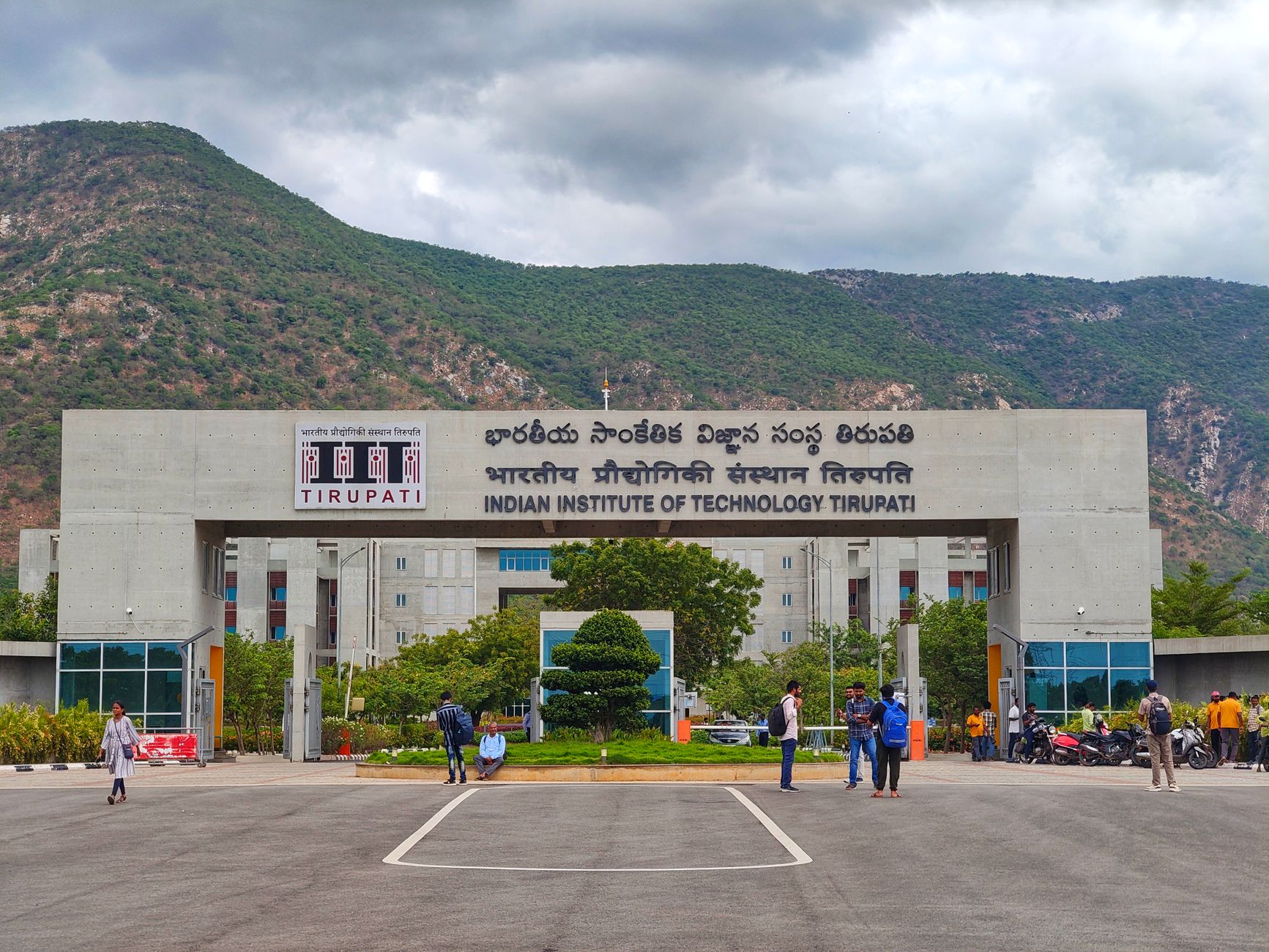
India continues to grapple with a significant funding gap in its education sector, with government spending consistently falling below the UNESCO-recommended benchmark of 15 percent of total public expenditure. This shortfall has far-reaching implications for the quality of education, infrastructure development, and the country's ability to harness its demographic dividend.
Understanding the UNESCO Benchmark
UNESCO, the United Nations Educational, Scientific and Cultural Organisation, recommends that countries allocate at least 15 percent of their total government expenditure to education. Alternatively, it suggests spending 4-6 percent of GDP on the sector. These benchmarks are designed to ensure adequate resources for building robust educational infrastructure, training quality teachers, and providing accessible education to all citizens.
The rationale behind these recommendations stems from decades of research showing that sustained investment in education correlates strongly with economic growth, reduced poverty, and improved social outcomes. Countries that have achieved near-universal literacy and quality education have typically maintained investment levels at or above these thresholds for extended periods.
India's Current Spending Patterns
India's education budget has historically hovered between 10-11 percent of total government expenditure in recent years, though the exact figure fluctuates annually based on fiscal priorities. This translates to approximately 2.5-3 percent of GDP, falling short on both UNESCO metrics.
The allocation is distributed across various levels of education, including elementary education, secondary education, higher education, and adult literacy programs. The Samagra Shiksha Abhiyan, which integrates school education from pre-primary to senior secondary levels, typically receives a substantial portion of the education budget.
Where the Gap Hurts Most
The funding shortfall manifests in several critical areas that directly impact educational outcomes.
Infrastructure Deficits
Thousands of schools across India, particularly in rural areas, lack basic facilities such as functional toilets, drinking water, electricity, and adequate classroom space. Many primary schools operate with insufficient furniture, limited teaching-learning materials, and outdated laboratory equipment. The digital divide has become even more apparent post-pandemic, with many institutions unable to afford necessary technology infrastructure.
Teacher Shortage and Quality
India faces a significant shortage of trained teachers, especially in government schools. The student-teacher ratio in many states exceeds recommended levels, affecting the quality of individual attention students receive. Additionally, limited funds for teacher training programs mean that many educators lack access to continuous professional development opportunities that would help them adopt modern pedagogical methods.
Research and Higher Education
Universities and research institutions often struggle with inadequate funding for research projects, outdated libraries, and insufficient scholarships for meritorious students from economically disadvantaged backgrounds. This affects India's global competitiveness in research output and innovation.
The Demographic Challenge
India's young population represents both an opportunity and a challenge. With over 250 million school-going children, the country needs massive investment to ensure quality education for all. The window to leverage the demographic dividend is limited, making current underinvestment particularly concerning.
Competing Fiscal Priorities
Government budgets must balance multiple pressing needs, including healthcare, defense, infrastructure, and social welfare schemes. Additionally, debt servicing and subsidies consume significant portions of public expenditure. These competing priorities often result in education receiving less than the desired allocation.
Steps Toward Improvement
Several measures could help bridge the funding gap. Improving tax collection efficiency could expand the overall resource pool. Public-private partnerships in education infrastructure could supplement government spending. Better monitoring and reduction of leakages in education spending would ensure more funds reach intended beneficiaries.
States must also prioritize education in their budgets, as education is a concurrent subject with both central and state responsibilities. Some progressive states have demonstrated that political will can lead to higher education allocations even within fiscal constraints.
Global Comparisons
Many developed nations spend 15-20 percent of government expenditure on education. Even among developing countries, several have achieved the UNESCO benchmark, demonstrating that it is an attainable goal with proper prioritization.
The path forward requires sustained commitment to increasing education spending progressively, coupled with reforms to improve fund utilization efficiency. Only then can India truly prepare its youth for the challenges and opportunities of the 21st century economy.