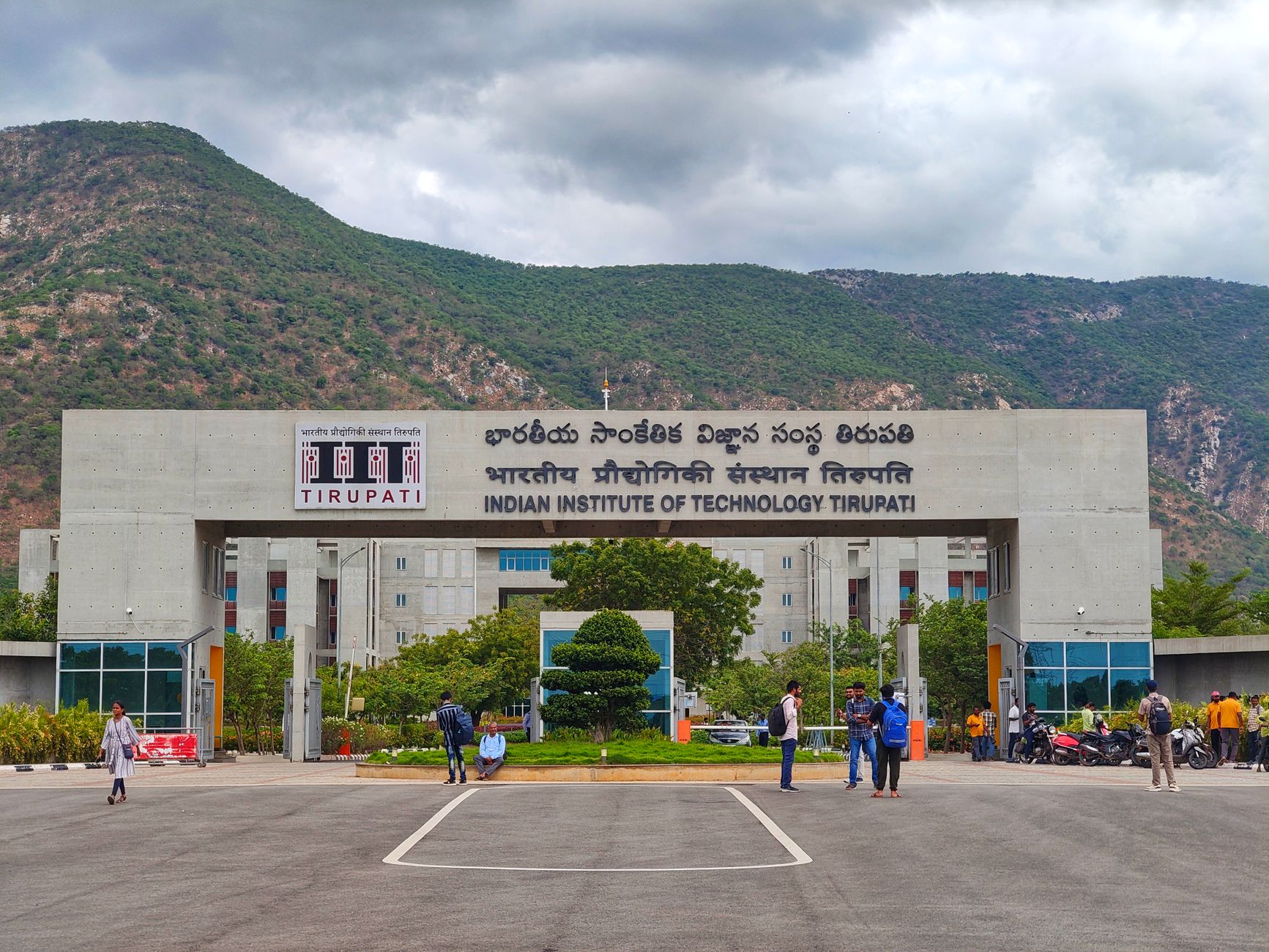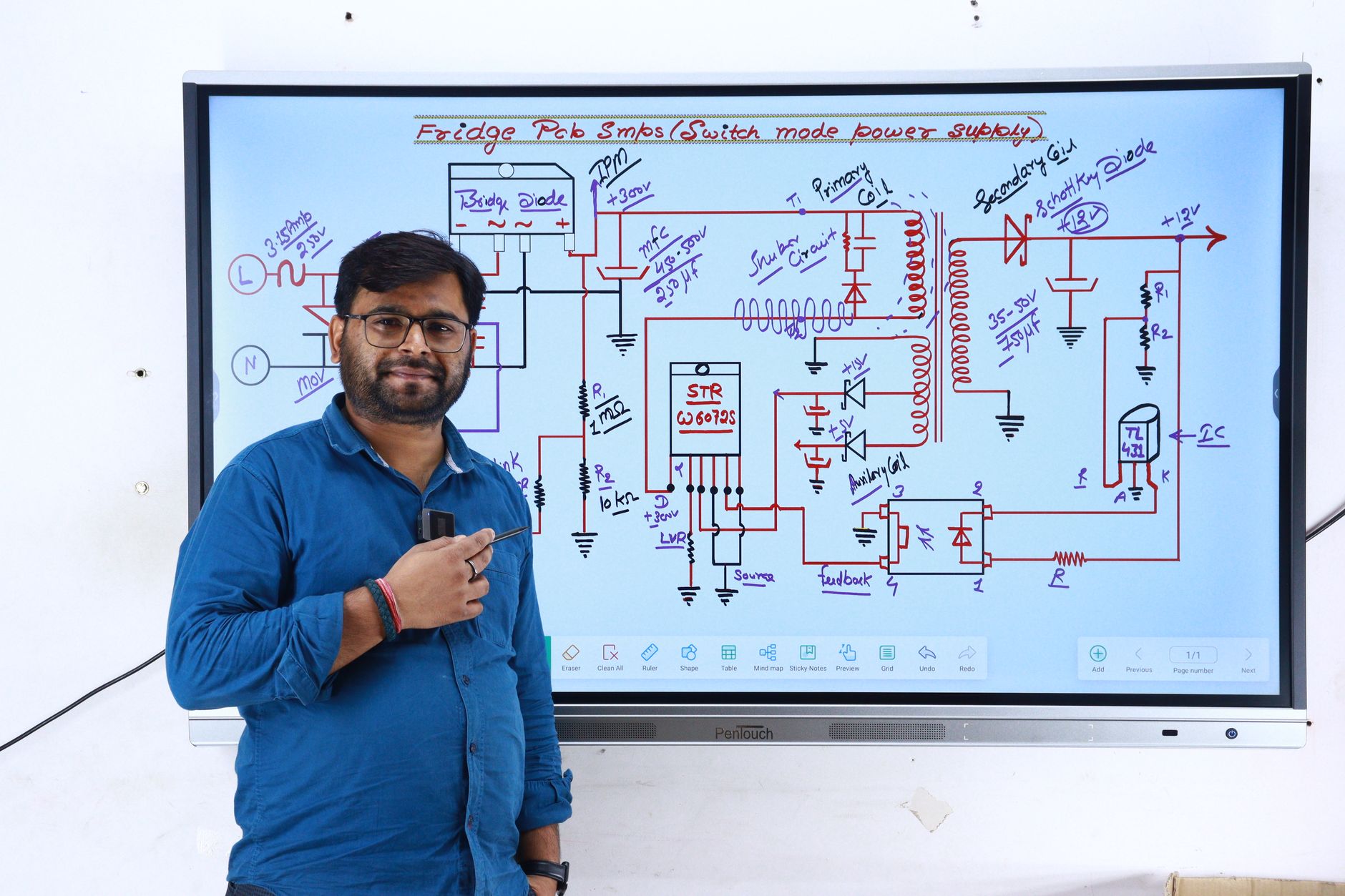
Prime Minister Narendra Modi recently reaffirmed India's commitment to transforming the country's educational landscape through infrastructure modernisation and ensuring equal opportunities for all students, regardless of their background. This statement comes at a crucial time when India is working to bridge the educational divide and prepare its youth for a rapidly evolving global economy.
The Current State of Educational Infrastructure
India's educational infrastructure has long faced challenges ranging from inadequate school buildings in rural areas to insufficient digital resources in government institutions. While urban centres often boast modern facilities, rural and semi-urban regions frequently struggle with basic amenities like proper classrooms, libraries, and sanitation facilities. The gap between private and public education has also widened over the years, creating disparities in learning outcomes.
The government's modernisation efforts aim to address these historical inequities by upgrading physical infrastructure, integrating technology into classrooms, and improving the overall learning environment across the country.
Key Components of Education Modernisation
The modernisation drive encompasses several critical areas:
- Digital infrastructure development, including smart classrooms and high-speed internet connectivity in schools
- Renovation and construction of new school buildings with modern amenities
- Enhanced laboratory facilities for science and practical learning
- Improved libraries and resource centres with updated learning materials
- Better sports and extracurricular facilities to promote holistic development
- Upgraded teacher training centres to improve pedagogical methods
These initiatives are designed to create an ecosystem where students from all backgrounds can access quality education comparable to international standards.
Tackling Discrimination in Education
The emphasis on discrimination-free education addresses several persistent challenges in Indian society. Historically, students from marginalised communities, including Scheduled Castes, Scheduled Tribes, and economically weaker sections, have faced barriers to quality education. Gender discrimination has also prevented many girls, particularly in rural areas, from completing their education.
Government initiatives targeting these issues include scholarships for underprivileged students, special provisions for girl child education, residential schools for tribal communities, and strict enforcement of the Right to Education Act. The focus is on creating an inclusive environment where every child can learn without facing prejudice or barriers based on caste, religion, gender, or economic status.
Technology as an Equaliser
Digital technology plays a pivotal role in the modernisation strategy. Initiatives like digital classrooms, online learning platforms, and educational apps have made quality content accessible to students in remote areas. During the COVID-19 pandemic, the importance of digital infrastructure became even more evident, accelerating the push for technological integration in education.
Television and radio-based educational programs have also helped reach students in areas with limited internet connectivity, ensuring that modernisation efforts are inclusive rather than creating new digital divides.
Skilling and Employment Readiness
Modern education infrastructure increasingly focuses on skill development aligned with industry requirements. Vocational training centres, industry partnerships, and updated curricula aim to make students employment-ready upon graduation. This approach recognises that education must evolve beyond theoretical knowledge to include practical skills relevant to the contemporary job market.
Challenges Ahead
Despite significant progress, several challenges remain. Funding constraints, particularly at the state level, can slow implementation. Teacher shortages and the need for continuous professional development require sustained attention. Maintaining infrastructure in remote areas poses logistical difficulties, and ensuring the effective use of new technology demands ongoing training and support.
Quality assurance across thousands of institutions remains a complex task, requiring robust monitoring mechanisms and accountability frameworks.
The Road Forward
India's educational transformation is a long-term project requiring coordinated efforts from central and state governments, private sector partners, and local communities. Success will be measured not just by infrastructure upgrades but by improved learning outcomes, higher enrollment and retention rates, and better employment prospects for graduates.
As India aims to become a global knowledge hub and economic powerhouse, investing in modern, inclusive education infrastructure becomes not just a social imperative but an economic necessity. The commitment to discrimination-free education ensures that this transformation benefits all sections of society, enabling every child to reach their full potential regardless of their starting point in life.
The vision of modernised educational infrastructure coupled with equal opportunity represents a foundational investment in India's future, potentially unlocking the capabilities of millions of young Indians and driving the country's development for decades to come.