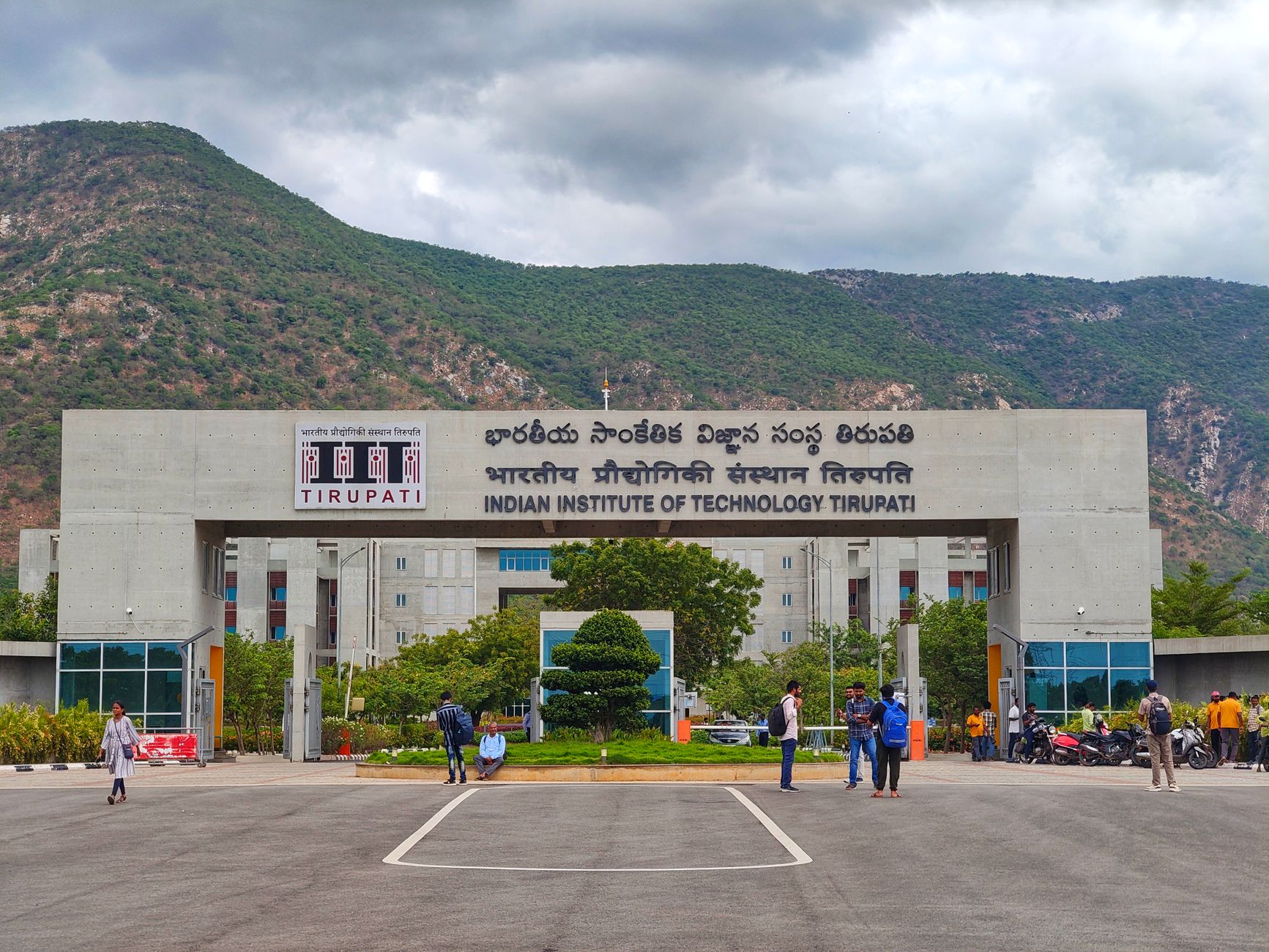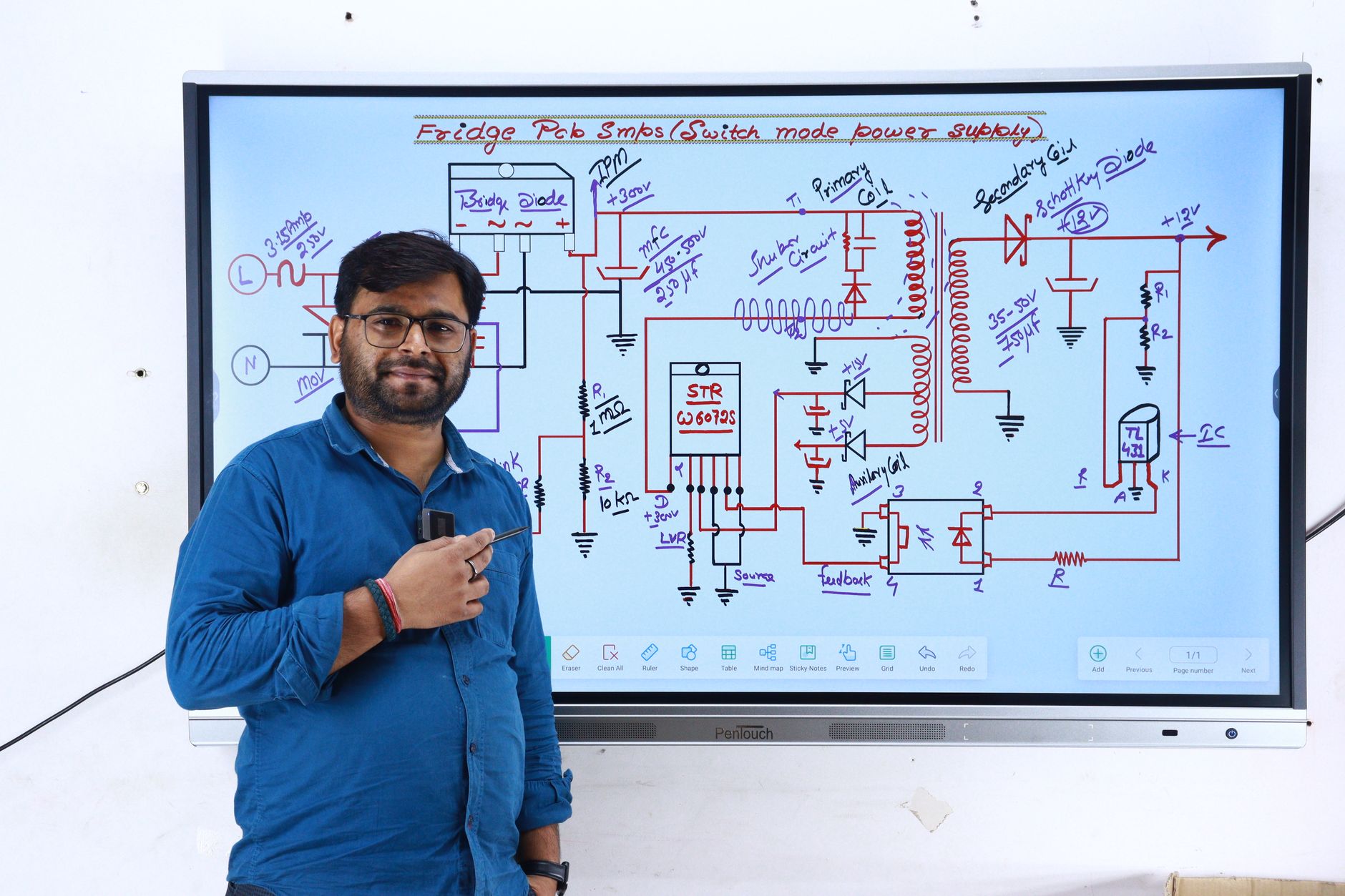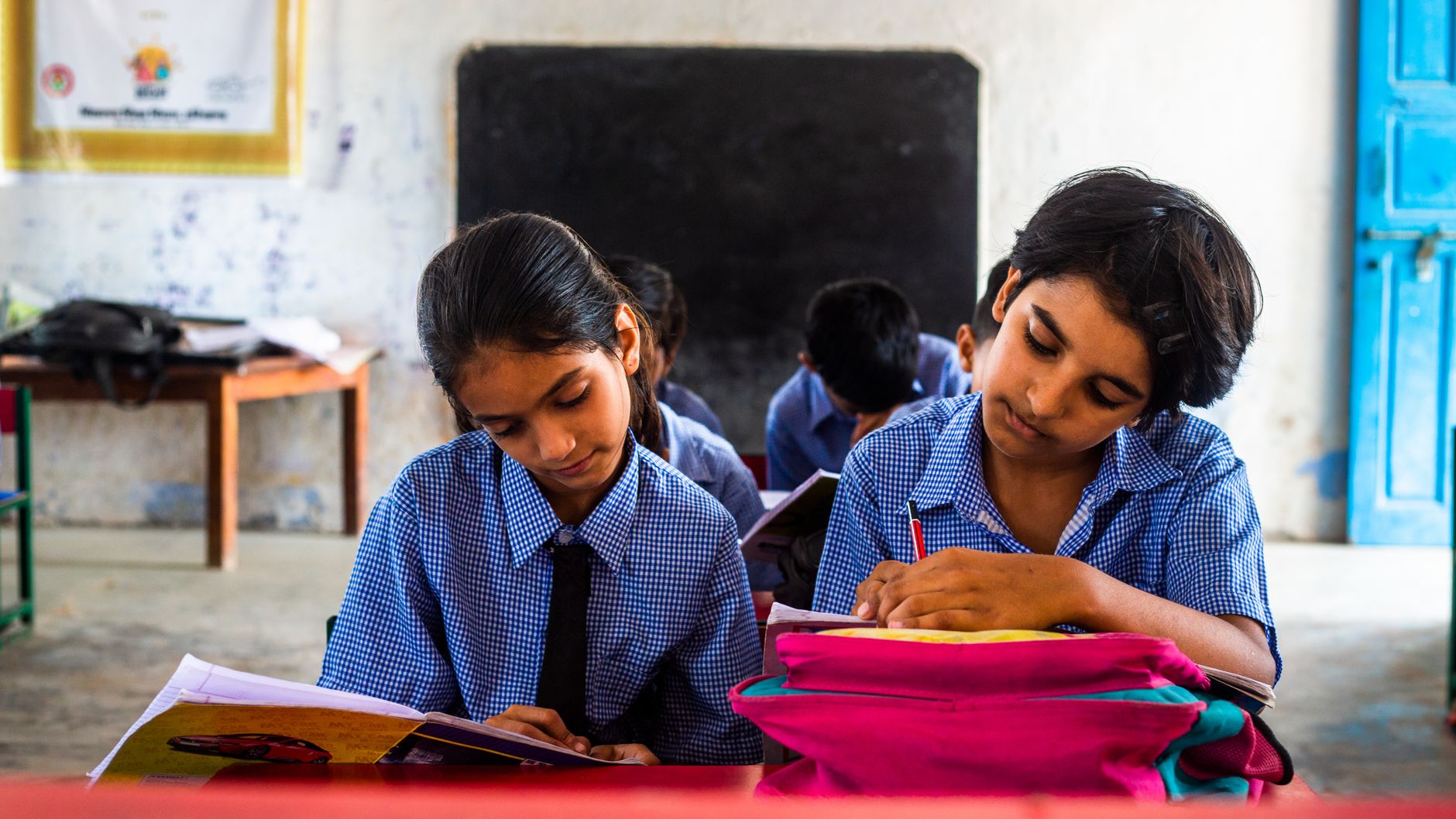
India produces millions of graduates annually, yet paradoxically faces both high unemployment and persistent skill shortages in key industries. This contradiction highlights a fundamental disconnect between what the education system delivers and what the job market demands, creating a crisis that threatens the country's demographic dividend.
The Scale of the Problem
India's working-age population is expected to reach 1 billion by 2030, representing an enormous potential workforce. However, current unemployment figures tell a troubling story. Youth unemployment rates hover around 20-25 percent, significantly higher than the overall unemployment rate. More concerning is the underemployment crisis, where millions of graduates work in jobs far below their qualification levels or remain in informal sector roles with minimal security.
The education system churns out approximately 15 million graduates each year, but industry estimates suggest only 45-50 percent are actually employable in their fields of study. This employability gap represents a massive waste of human potential and educational resources.
Root Causes of the Education Crisis
The Indian education system's problems begin with foundational learning gaps. Despite improvements in enrollment rates, learning outcomes remain poor. Students often progress through grades without mastering basic literacy and numeracy, creating cascading problems in higher education.
Rote learning continues to dominate pedagogy across most institutions. Students memorize facts for examinations but lack critical thinking, problem-solving abilities, and practical application skills that employers value. The curriculum often remains outdated, failing to incorporate emerging technologies, contemporary business practices, or modern workplace requirements.
Infrastructure deficits plague educational institutions, particularly in rural and semi-urban areas. Many schools lack basic facilities, laboratories, libraries, and internet connectivity. Higher education institutions similarly struggle with inadequate resources, limiting hands-on learning opportunities.
Teacher quality and training present another significant challenge. Many educators themselves lack proper training in modern pedagogical methods or subject matter expertise. The student-teacher ratio in many institutions far exceeds optimal levels, preventing personalized attention and mentorship.
The Disconnect with Industry Needs
The rapid pace of technological change has transformed job requirements faster than educational institutions can adapt. Skills in artificial intelligence, data analytics, digital marketing, and advanced manufacturing remain in high demand, yet few colleges offer robust programs in these areas.
Soft skills deficits compound the problem. Employers consistently cite poor communication abilities, lack of teamwork experience, insufficient professional etiquette, and weak adaptability as major concerns with fresh graduates. Traditional education largely ignores these competencies.
Vocational education and skill training carry social stigma in India, where white-collar jobs and professional degrees remain aspirational goals. This cultural bias has led to insufficient investment in vocational training infrastructure despite manufacturing and service sectors desperately needing skilled technicians and tradespeople.
Geographic and Demographic Disparities
The education-employment crisis affects different groups unequally. Rural students face significantly worse educational infrastructure and limited exposure to career opportunities beyond agriculture and government jobs. Women's workforce participation remains low, partly due to educational barriers and social constraints. Marginalized communities often lack access to quality education and professional networks that facilitate employment.
Tier-two and tier-three cities produce graduates who struggle to access opportunities concentrated in metropolitan areas, while lacking local employment options matching their qualifications.
Potential Solutions and Way Forward
Addressing this crisis requires multi-pronged interventions. Curriculum reform must prioritize practical skills, experiential learning, and regular updates reflecting industry needs. Greater industry-academia collaboration through internships, guest lectures, and joint research projects can bridge the relevance gap.
Strengthening vocational education and creating dignity around skilled trades could channel students toward high-demand roles while reducing pressure on traditional degree programs. Countries like Germany demonstrate how robust vocational systems can support economic growth.
Investment in teacher training, educational technology, and infrastructure forms the foundation for systemic improvement. Digital learning platforms can democratize access to quality content, though the digital divide itself requires attention.
Employment generation must accompany education reform. Promoting entrepreneurship, supporting MSMEs, and encouraging labor-intensive manufacturing can create opportunities absorbing the youth workforce.
The Path Ahead
India's education and employment crisis represents both a challenge and opportunity. With appropriate reforms, this vast young population could drive unprecedented economic growth. However, continued neglect risks social instability, wasted potential, and forfeiture of the demographic dividend advantage.
Success requires coordinated action from government, educational institutions, industry, and civil society. The window for harnessing India's youth bulge is limited, making urgent, comprehensive intervention essential for the nation's future prosperity.