India's education system faces a troubling paradox. While the country has made significant strides in achieving near-universal primary education enrolment, a staggering proportion of students fail to complete their schooling journey. The recent parliamentary report highlighting a 73% drop in enrolment between primary and higher secondary levels has brought this long-standing crisis into sharp focus.
The Scale of the Problem
The statistics paint a concerning picture. For every 100 students who begin their educational journey in primary school, only 27 reach higher secondary classes (Classes 11 and 12). This massive attrition represents not just lost individual potential but a significant drain on national human capital development.
The dropout phenomenon is not sudden but gradual, occurring at multiple transition points. The shift from primary to upper primary, from Class 8 to Class 9, and particularly from Class 10 to Class 11 sees successive waves of students leaving the formal education system.
Why Students Leave School
Several interconnected factors contribute to this educational exodus:
- Economic pressures force many families to prioritize immediate income over long-term educational investment, particularly in rural and economically disadvantaged households
- Child labour remains prevalent despite legal prohibitions, with children contributing to agricultural work or family businesses
- Early marriages, especially among girls in certain regions, end educational aspirations prematurely
- Migration patterns disrupt schooling when families move for work opportunities
- Lack of nearby higher secondary schools in rural areas makes continuing education logistically difficult
The Gender Dimension
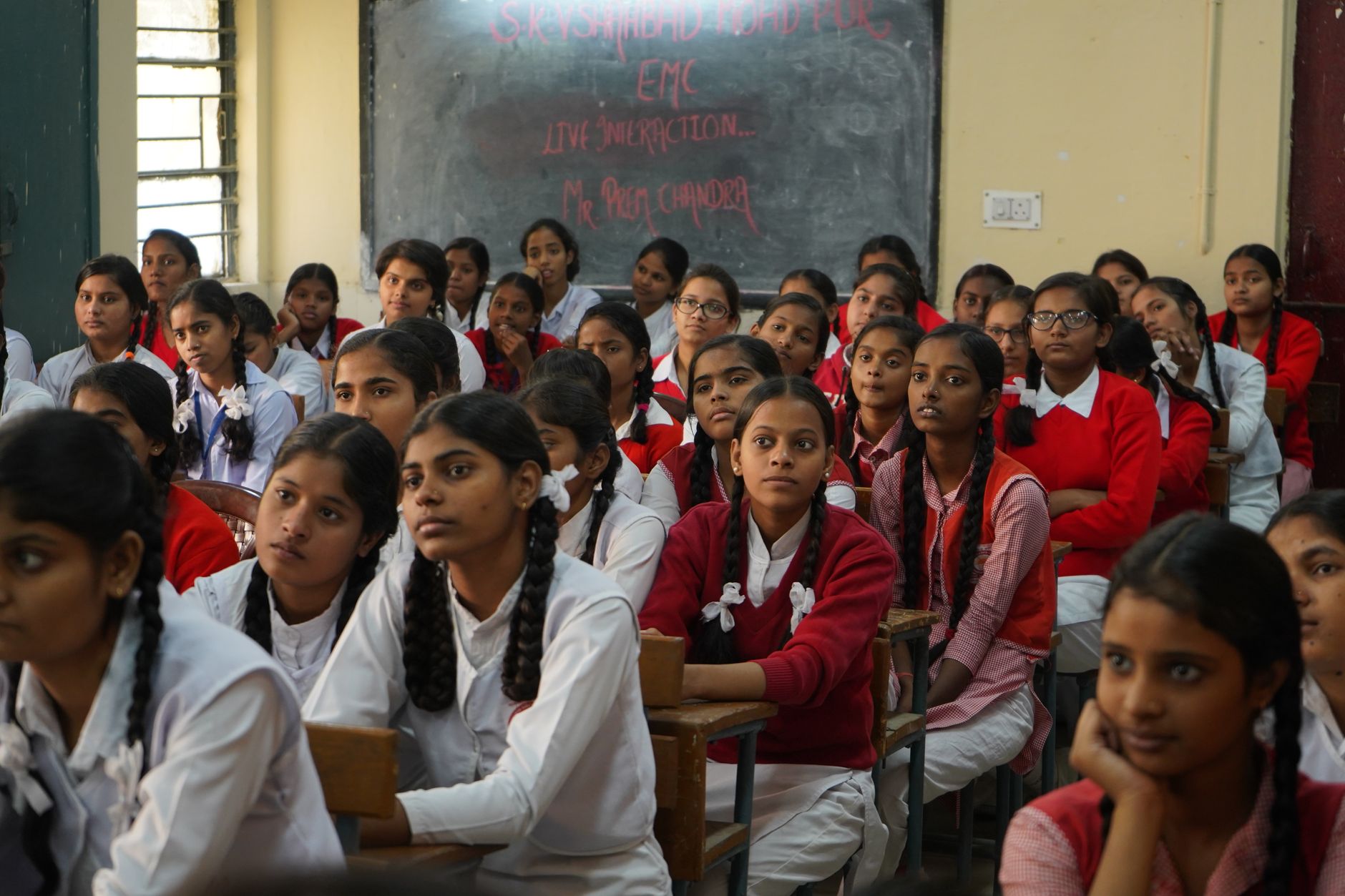
Female students face additional barriers. Traditional attitudes about women's education persist in many communities, where investing in a daughter's higher education is viewed as unnecessary. Safety concerns regarding travel to distant schools, inadequate sanitation facilities, and societal pressure for early marriage disproportionately affect girls' educational continuation.
However, there are encouraging signs in certain states where focused interventions have narrowed or even reversed gender gaps in school enrolment.
Infrastructure and Quality Gaps
The physical absence of higher secondary schools in accessible proximity remains a fundamental challenge. Many villages have primary schools, fewer have upper primary facilities, and higher secondary institutions are often concentrated in towns and cities.
Quality concerns also play a role. Students struggling academically due to poor teaching quality, overcrowded classrooms, or inadequate learning resources often lose motivation. The perceived irrelevance of curriculum to real-life opportunities, particularly among students from marginalized communities, further diminishes engagement.
The Covid-19 Impact
The pandemic exacerbated existing vulnerabilities. Extended school closures, limited access to online learning infrastructure, increased family financial stress, and the normalization of children's domestic or economic contributions during lockdowns pushed many students permanently out of the education system.
Economic and Social Consequences
This educational attrition carries profound implications. A less-educated workforce struggles to compete in increasingly knowledge-based economies. The demographic dividend that India hopes to leverage depends on a skilled, educated young population. Current dropout rates undermine this potential.
Health outcomes, civic participation, and social mobility all correlate strongly with educational attainment. Communities with higher dropout rates often face compounding disadvantages across generations.
Potential Solutions
Addressing this crisis requires comprehensive, multi-pronged approaches:
- Expanding conditional cash transfer schemes that incentivize families to keep children in school
- Establishing more residential schools or reliable transportation in underserved areas
- Strengthening mid-day meal programs that provide nutritional support and attendance incentives
- Implementing bridge courses and remedial education to help struggling students catch up
- Vocational training integration to make education more relevant to employment opportunities
- Community awareness campaigns addressing social barriers, particularly around female education
- Enhanced monitoring systems to identify at-risk students before they drop out
Some states have demonstrated that focused policy interventions can reverse negative trends. Kerala, Himachal Pradesh, and parts of Tamil Nadu show higher retention rates through combination approaches addressing both supply-side (infrastructure, teachers) and demand-side (economic support, awareness) factors.
The Path Forward
The parliamentary panel's findings serve as a wake-up call. Achieving universal school completion requires treating education not merely as infrastructure provision but as a comprehensive social support system. This means coordinating education policy with poverty alleviation, child protection, health services, and employment generation.
The 73% dropout figure represents millions of individual dreams deferred and a nation's potential unrealized. Reversing this trend demands sustained political will, adequate resource allocation, and innovative approaches that address the complex realities of families struggling to balance survival with aspiration.