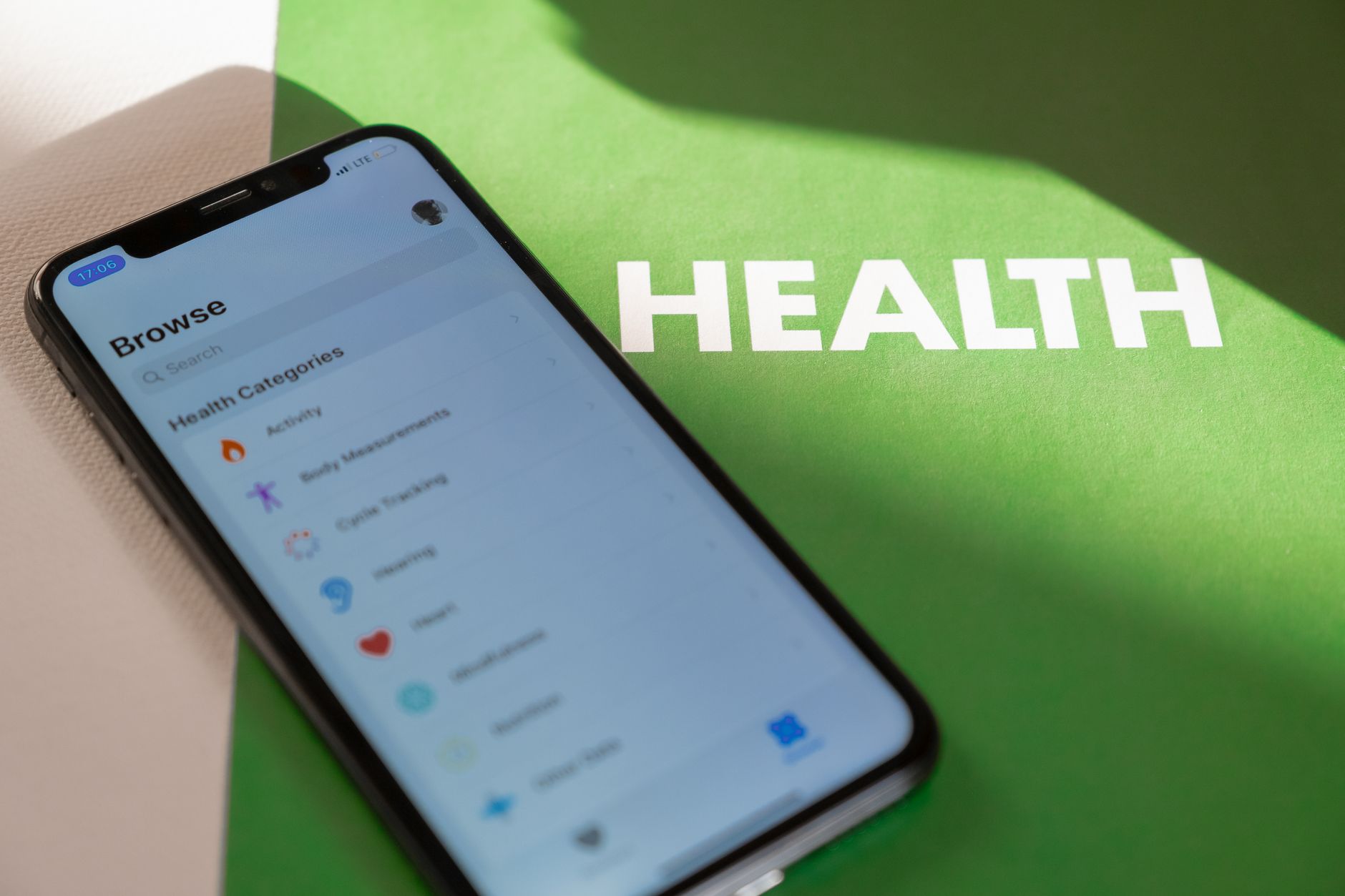
India is experiencing a fundamental transformation in healthcare delivery and management, driven by ambitious digital health initiatives that promise to put citizens firmly in control of their medical information. This shift from scattered health records to comprehensive health ownership represents one of the most significant changes in the country's healthcare landscape in decades.
The Traditional Healthcare Record Challenge
For generations, Indians have grappled with fragmented healthcare records scattered across multiple hospitals, clinics, and diagnostic centres. A patient visiting different healthcare providers would carry physical files, struggle to locate old prescriptions, and often repeat expensive diagnostic tests simply because previous results were unavailable. This fragmentation not only increased healthcare costs but also compromised the quality of care, as doctors lacked complete medical histories when making critical treatment decisions.
The absence of a unified system meant that citizens had limited ownership over their health data. Medical records belonged to hospitals rather than patients, creating barriers to portability and continuity of care.
Building Digital Health Infrastructure
The Ayushman Bharat Digital Mission (ABDM), launched nationwide in 2021, forms the backbone of India's digital health transformation. This comprehensive framework creates a digital highway connecting patients, healthcare providers, insurance companies, and government health programs through standardised protocols and interoperable systems.
At the heart of this ecosystem lies the Ayushman Bharat Health Account (ABHA) number, a unique 14-digit health identifier for every Indian citizen. This number acts as a digital key, linking all health records across different providers while ensuring the individual remains in control of who can access their information.
Key Components of Health Ownership
The digital health ecosystem comprises several interconnected elements that collectively empower citizens:
- Health records that follow the patient rather than remaining locked in institutional silos
- Consent-based sharing mechanisms allowing individuals to grant or deny access to specific healthcare providers
- Digital prescriptions and lab reports accessible from smartphones
- Longitudinal health records tracking medical history over time
- Integration with insurance systems for seamless claim processing
- Teleconsultation capabilities connecting patients with doctors remotely
Privacy and Security Considerations
With great digital connectivity comes the critical responsibility of protecting sensitive health information. India's digital health framework incorporates robust privacy safeguards, including encryption standards, consent management systems, and strict data protection protocols aligned with emerging data protection regulations.
Citizens maintain granular control over their health information through consent management systems, deciding which healthcare providers can access which portions of their records and for how long. This consent architecture ensures that health data cannot be accessed without explicit permission, addressing legitimate privacy concerns.
Real-World Impact on Healthcare Delivery
The transition to digital health ownership delivers tangible benefits across the healthcare journey. Patients in emergencies can grant doctors immediate access to critical information about allergies, chronic conditions, and current medications, potentially saving lives. Those managing chronic diseases like diabetes or hypertension can track their health metrics over time, sharing trends with doctors during consultations.
Rural and underserved populations particularly benefit from digital health systems, as telemedicine and digital records reduce the need for expensive travel to urban centres. A farmer in rural Maharashtra can consult a specialist in Mumbai while sharing complete medical history digitally, receiving prescriptions and treatment plans without leaving their village.
Challenges and the Road Ahead
Despite significant progress, several challenges remain in achieving universal health data ownership. Digital literacy varies widely across India's diverse population, requiring extensive awareness campaigns and user-friendly interfaces. Healthcare providers must adopt new technologies and workflows, necessitating training and infrastructure investments.
Ensuring the participation of private healthcare providers, who serve a substantial portion of India's population, requires incentives and regulatory frameworks that balance business interests with public health objectives. Interoperability standards must be consistently implemented across thousands of healthcare facilities to truly realize seamless data exchange.
Empowerment Through Information
The shift from health records to health ownership fundamentally changes the patient-provider relationship. When citizens possess comprehensive, portable health information, they become active participants in healthcare decisions rather than passive recipients of care. This empowerment enables better health outcomes through informed choices, continuity of care, and preventive health management.
As India's digital health infrastructure matures, it promises a future where every citizen can access their complete health history at their fingertips, share it securely with trusted providers, and make informed decisions about their wellbeing. This vision of health ownership represents not just technological progress but a fundamental reimagining of healthcare as a citizen-centric service.
This article provides general information about India's digital health initiatives and should not be considered medical or technical advice. Readers should consult healthcare professionals and official government resources for specific guidance on health records and digital health services.