A new form of parental activism is sweeping across India, with frustrated parents adopting the unconventional moniker of "cockroaches" to highlight their tenacious fight for better government schools. The movement represents a growing groundswell of discontent with the state of public education infrastructure, teaching quality, and administrative accountability across the country.
The Symbolism Behind the Name
The "Cockroach" label, while seemingly derogatory, has been embraced by parent activists as a badge of honor. Cockroaches are known for their remarkable resilience, ability to survive in harsh conditions, and persistence against all odds. These parents see themselves similarly—ordinary citizens who refuse to be eliminated or ignored, regardless of bureaucratic resistance or systemic indifference. The name conveys their determination to infiltrate spaces of power and demand change, much like the insect's ability to access even the most sealed environments.
Core Grievances Driving the Movement
Parents involved in this movement have identified several critical issues plaguing government schools across India. Infrastructure deficiencies top the list, with many schools lacking basic amenities such as functional toilets, clean drinking water, proper boundary walls, and adequate classroom furniture. In some cases, children are forced to sit on floors or study in buildings with leaking roofs and crumbling walls.
Teacher absenteeism represents another major concern. Despite being on government payrolls, many educators fail to attend classes regularly, leaving students without proper instruction for extended periods. When teachers are present, the quality of education often falls short, with outdated teaching methods and insufficient subject knowledge hampering student learning outcomes.
The midday meal scheme, designed to improve nutrition and school attendance, has also come under scrutiny. Reports of poor-quality food, hygiene issues, and irregular meal provision have alarmed parents who depend on this program to ensure their children receive at least one nutritious meal daily.
Tactics and Strategies
The Cockroach movement employs various strategies to apply pressure on education authorities. Social media campaigns have proven particularly effective, with parents sharing photographs and videos of deplorable school conditions that quickly go viral. These digital tools allow the movement to bypass traditional media gatekeepers and directly appeal to public conscience.
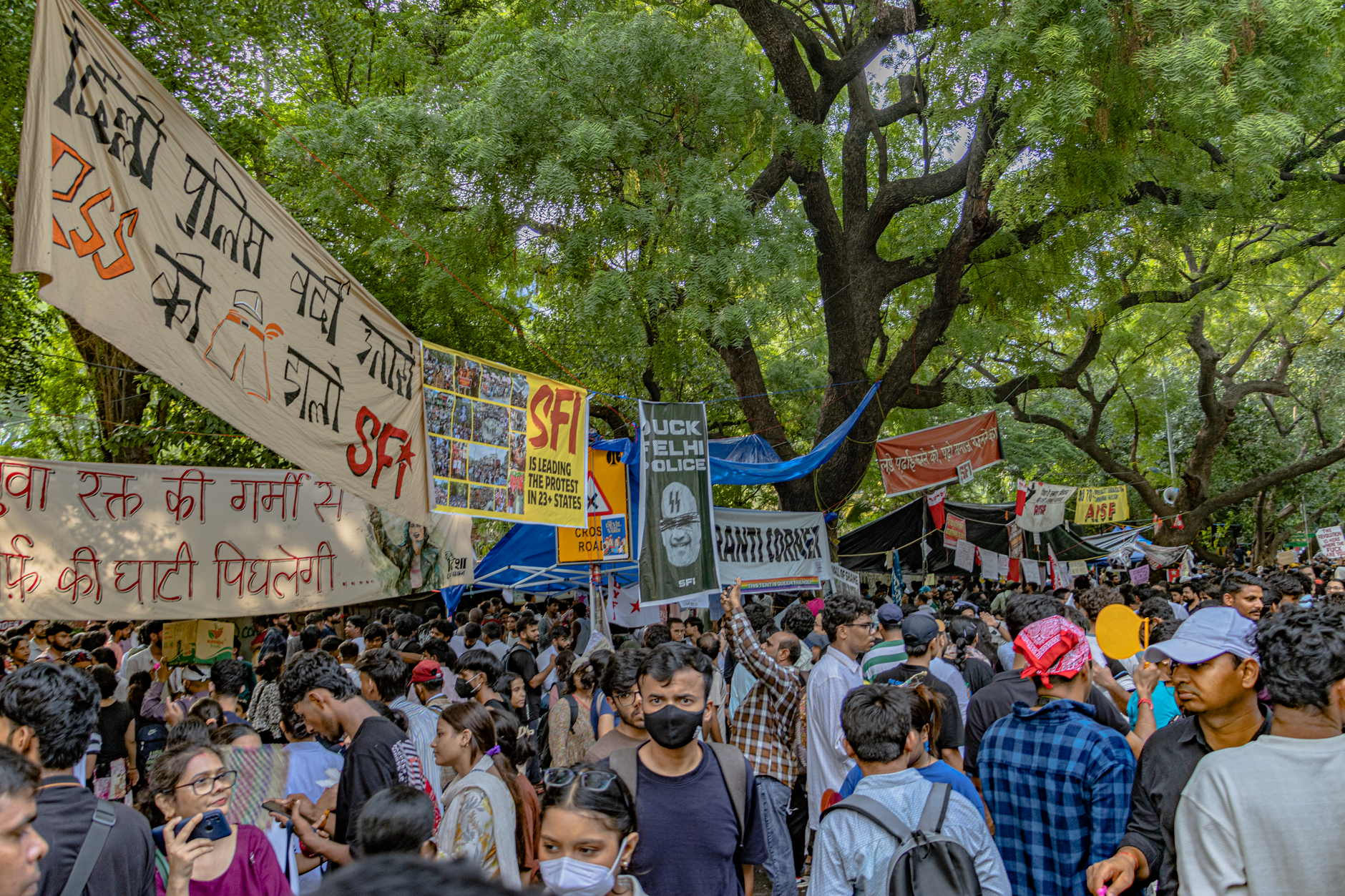
Physical protests and sit-ins at education department offices have also become common. Parents organize collective school visits, documenting problems and submitting formal complaints to district education officers. Some groups have adopted Right to Information Act requests as a weapon, seeking detailed data on teacher attendance, fund allocation, and infrastructure spending.
Community meetings serve as organizing platforms where parents exchange experiences, coordinate actions, and educate each other about their legal rights regarding children's education. These gatherings have fostered a sense of solidarity among families who previously felt isolated in their struggles.
The Broader Context
India's government school system educates the majority of the country's children, particularly those from economically disadvantaged backgrounds. While the Right to Education Act guarantees free and compulsory education to all children aged six to fourteen, implementation gaps have created a stark divide between policy promises and ground realities.
The rise of private schools, even low-cost ones in urban and semi-urban areas, has created a two-tier education system. Families with modest means often make significant financial sacrifices to send children to private institutions, perceiving them as offering better prospects than government schools. This exodus has further weakened public schools, creating a cycle of declining enrollment, reduced attention from authorities, and deteriorating standards.
Government Response and Challenges
Education authorities have responded to the movement with mixed reactions. Some districts have initiated rapid infrastructure improvements and teacher accountability measures when faced with sustained pressure. Others have been defensive, dismissing parental complaints as exaggerated or politically motivated.
Systemic challenges complicate reform efforts. Budget constraints, bureaucratic inertia, corruption, and the sheer scale of India's education system create obstacles that cannot be overcome through quick fixes. Teacher unions sometimes resist accountability measures, arguing that educators themselves work in difficult conditions with inadequate resources and support.
Looking Ahead
The Cockroach movement represents a significant shift in how ordinary Indian citizens engage with public services. By organizing collectively and refusing to accept substandard conditions, these parents are demonstrating that sustained grassroots pressure can catalyze change. Whether this momentum translates into lasting improvements in government schools remains to be seen, but the movement has already succeeded in placing education quality firmly on the public agenda.
The ultimate test will be whether these parent activists can maintain their persistence—much like their namesake insect—through the long, difficult process of transforming one of the world's largest education systems.