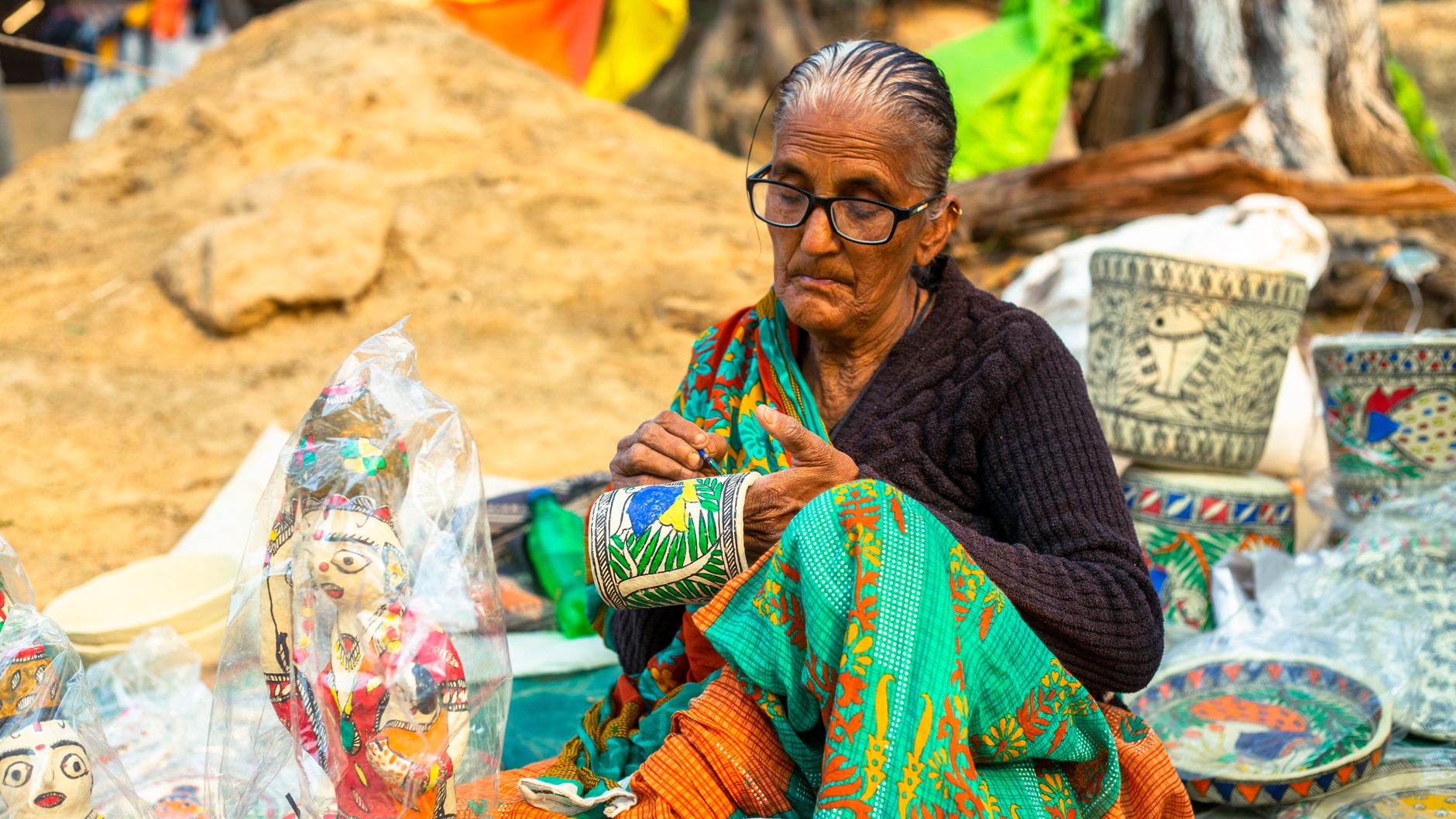
India is experiencing a significant demographic shift that will reshape its healthcare landscape over the coming decades. The country's population aged 60 years and above is projected to double from approximately 140 million in 2022 to nearly 300 million by 2050. This rapid ageing presents both challenges and opportunities for the healthcare system, necessitating a fundamental rethink of how medical services are delivered.
The Current Healthcare Model Is Inadequate
India's healthcare infrastructure has traditionally been hospital-centric, with major medical facilities concentrated in urban areas. This model creates substantial barriers for elderly patients who often face mobility challenges, chronic conditions requiring regular monitoring, and financial constraints that make frequent hospital visits unsustainable. The current system also struggles with inadequate geriatric care training among healthcare professionals and limited availability of age-appropriate facilities.
Why Home-Based Care Matters for Seniors
Elderly individuals typically manage multiple chronic conditions simultaneously, such as diabetes, hypertension, arthritis, and cardiovascular diseases. These conditions require consistent monitoring and medication management rather than episodic hospital interventions. Home-based care offers several advantages that directly address these needs.
Comfort and familiarity play crucial roles in senior health outcomes. Receiving care at home reduces stress, maintains dignity, and allows elderly individuals to remain in their communities surrounded by family support systems. Studies have shown that recovery rates improve and hospital readmissions decrease when patients receive appropriate home care.
Cost-effectiveness is another compelling factor. Hospital stays and repeated emergency room visits place enormous financial strain on families, particularly in a country where out-of-pocket healthcare expenditure remains high. Home-based primary care, preventive services, and remote monitoring can significantly reduce these costs while improving health outcomes.
Components of Effective Community Healthcare
Several key elements must be integrated to build a robust home-and-community-based healthcare system for India's ageing population:
- Trained community health workers who can conduct regular home visits, monitor vital signs, ensure medication compliance, and identify early warning signs
- Telemedicine infrastructure connecting patients with doctors for routine consultations, reducing the need for physical travel
- Mobile health clinics that bring diagnostic services and preventive care to underserved neighbourhoods and rural areas
- Day care centres offering social engagement, physiotherapy, and supervised activities that combat isolation and maintain cognitive function
- Palliative care services providing compassionate end-of-life support in familiar surroundings
- Caregiver training programmes equipping family members with essential skills for managing elderly care responsibilities
Technology as an Enabler
Digital health solutions can bridge geographical gaps and resource constraints. Wearable devices that monitor heart rate, blood pressure, and glucose levels can transmit data to healthcare providers in real-time. Artificial intelligence-powered systems can analyse patterns and alert medical professionals to potential health crises before they become emergencies.
Medication reminder apps, video consultation platforms, and electronic health records accessible to authorised home care providers can coordinate care more effectively. However, technology must be designed with elderly users in mind, ensuring interfaces are simple and support is available in regional languages.
Policy and Infrastructure Requirements
Transforming healthcare delivery requires coordinated policy action. The government must invest in training programmes specifically focused on geriatric care, create accreditation systems for home healthcare providers, and develop insurance products that cover home-based services adequately.
Public-private partnerships can accelerate the expansion of community healthcare infrastructure. Private sector innovation in service delivery models, combined with public sector resources and regulatory frameworks, can create sustainable solutions accessible across economic strata.
Urban planning must also evolve to create age-friendly cities with accessible public spaces, barrier-free infrastructure, and healthcare facilities within walking distance of residential areas.
The Social Dimension
Beyond medical needs, elderly care encompasses social and emotional wellbeing. Community centres that facilitate social interaction, volunteer programmes connecting generations, and neighbourhood support networks can combat the isolation many seniors experience, particularly in nuclear family structures increasingly common in urban India.
The transition toward home-and-community-based healthcare is not merely a logistical challenge but a societal imperative. As India ages, ensuring dignity, quality of life, and accessible healthcare for its senior citizens will define the nation's social contract with its elderly population.
This article provides general information about healthcare trends and should not be considered medical advice. Readers should consult qualified healthcare professionals for specific medical concerns and treatment options.