India has witnessed a remarkable demographic shift over the past few decades. Women's life expectancy has climbed steadily, crossing 70 years in many states and reaching heights that would have seemed impossible just two generations ago. However, this statistical triumph masks a troubling reality that health experts and social researchers are increasingly highlighting: many Indian women are simply living longer with illness, not living better.
The Longevity Paradox
The increase in life expectancy is undoubtedly a testament to improvements in maternal healthcare, vaccination programs, and reduced mortality from infectious diseases. However, longevity without quality of life presents its own set of challenges. Research shows that Indian women often spend a significant portion of their later years battling chronic conditions such as diabetes, hypertension, arthritis, and cardiovascular disease.
Unlike their male counterparts, women in India face a unique burden. They typically outlive men by several years, but these additional years are frequently characterized by functional limitations, dependency, and inadequate medical support. The concept of "healthy life expectancy" versus simple life expectancy becomes crucial here—and the gap between the two is widening for Indian women.
Healthcare Access and Gender Disparities
One primary reason behind this paradox lies in deeply entrenched gender disparities in healthcare access. Throughout their lives, many Indian women receive substandard medical attention compared to male family members. Nutritional deficiencies during childhood and adolescence, inadequate maternal care, and delayed treatment for health issues create a foundation for poor health in later years.
Even when women do access healthcare, preventive care remains woefully inadequate. Regular health screenings, early detection programs, and management of chronic conditions are often treated as luxuries rather than necessities. Many women visit doctors only when conditions become severe, leading to poorer health outcomes and reduced quality of life.
Economic Insecurity in Old Age
Financial vulnerability compounds health challenges for elderly Indian women. With lower workforce participation rates, interrupted careers due to caregiving responsibilities, and limited access to pensions or savings, many women find themselves economically dependent in old age. This dependency directly impacts their ability to seek timely medical care or afford medications for chronic conditions.
Widowhood further exacerbates this situation. With women outliving their spouses and social security systems remaining inadequate, elderly widows often rank among the most vulnerable populations in terms of both health and economic wellbeing.
The Caregiving Burden
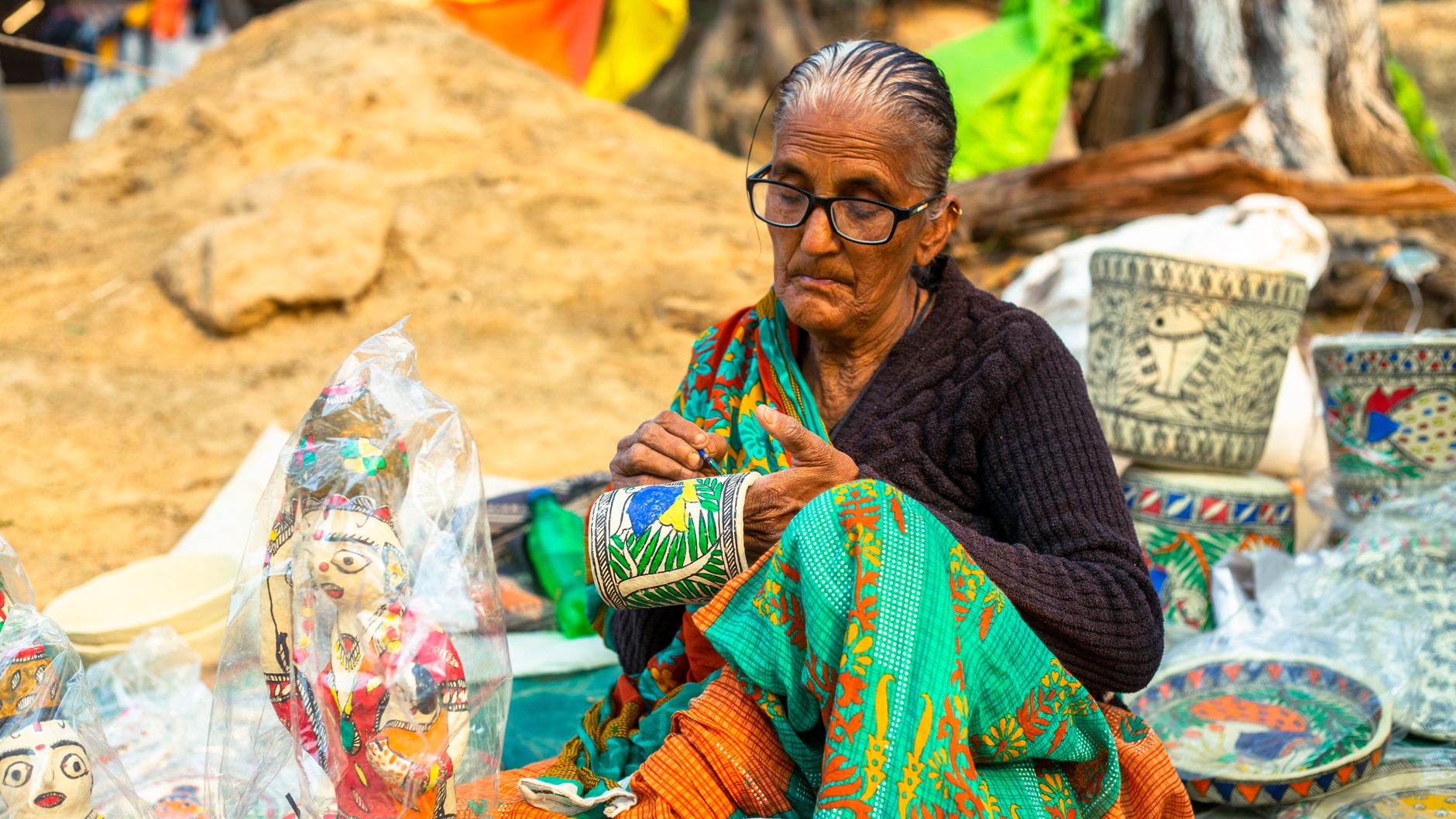
Ironically, even as they age and deal with their own health issues, many Indian women continue to serve as primary caregivers for grandchildren, ailing spouses, or other family members. This unrelenting caregiving responsibility leaves little room for self-care. Physical strain from household work, combined with the mental stress of managing family needs, accelerates health decline.
The traditional joint family system, which once provided support for elderly members, has weakened considerably in urban areas. Yet the cultural expectation that women will continue serving family needs regardless of their own health status persists.
Mental Health: The Silent Crisis
Beyond physical ailments, mental health concerns among elderly Indian women remain largely unaddressed. Depression, anxiety, and cognitive decline affect a substantial proportion of older women, yet mental health services remain scarce and stigmatized. Social isolation, loss of purpose after children leave home, and limited community engagement contribute to psychological distress that diminishes quality of life.
Policy Gaps and Way Forward
Current healthcare policies and social welfare programs inadequately address the specific needs of aging women. While schemes exist for certain demographics, comprehensive geriatric care tailored to women's needs remains absent. There is urgent need for:
- Gender-sensitive geriatric healthcare services with focus on chronic disease management
- Expanded social security coverage for women who worked in informal sectors or as homemakers
- Community-based support systems that reduce isolation and provide mental health resources
- Public awareness campaigns about preventive healthcare for women across all life stages
- Strengthened implementation of existing welfare schemes targeting elderly women
The increase in women's life expectancy should indeed be celebrated, but only when those additional years are lived with dignity, health, and adequate support. True progress means not just adding years to life, but adding life to those years—a goal India has yet to fully achieve for its women.
This article provides general information on health and social issues and should not be considered medical advice. Readers are encouraged to consult healthcare professionals for personal health concerns.