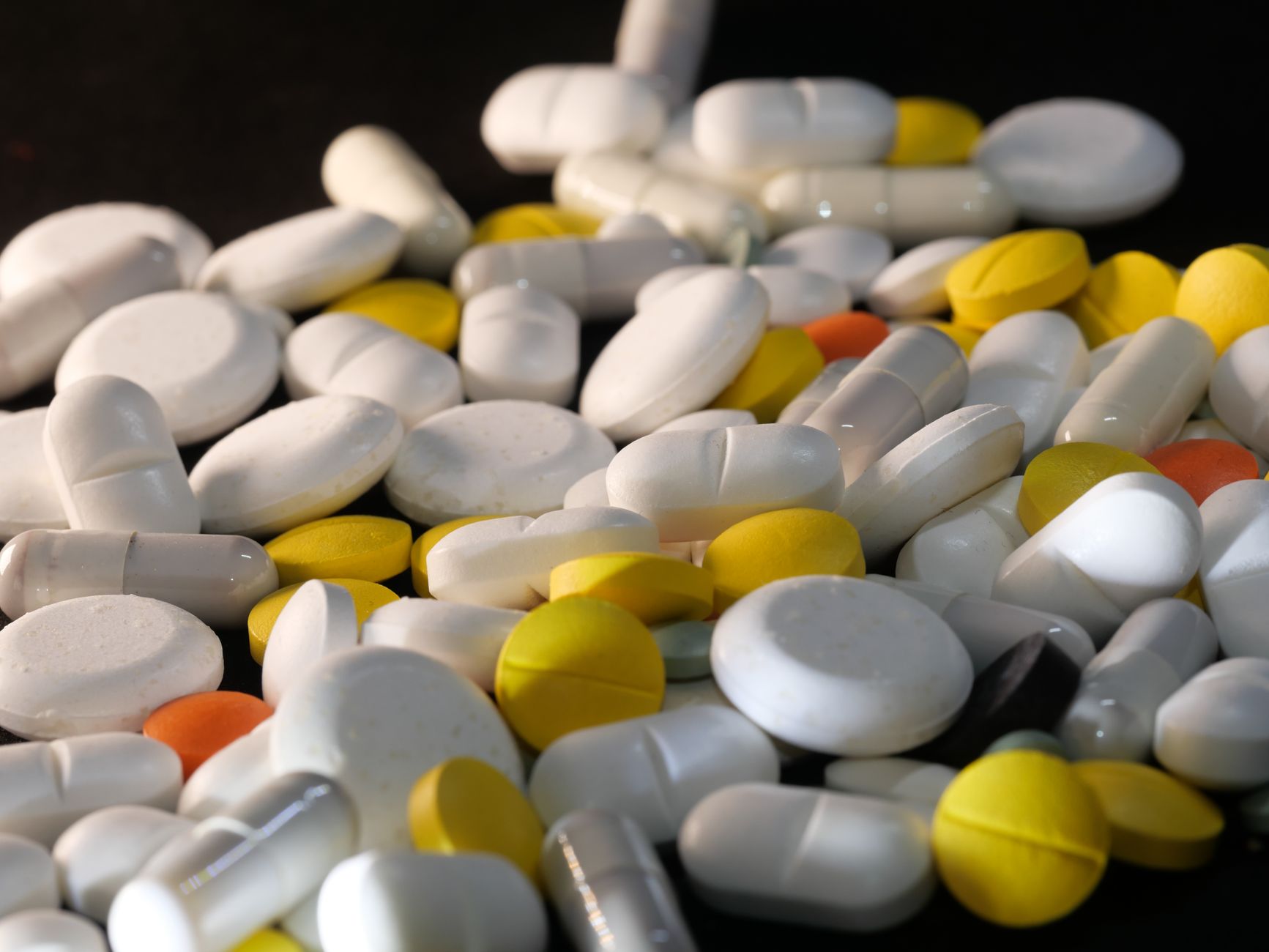
A landmark global study has highlighted a concerning trend in India's healthcare system: the excessive use of powerful antibiotics that should be reserved for serious, drug-resistant infections. This pattern threatens to accelerate antimicrobial resistance, potentially leaving patients without effective treatment options in the future.
Understanding Antibiotic Classes
Antibiotics are categorized into different groups based on their strength and intended use. First-line antibiotics are typically used for common infections, while reserve antibiotics or last-resort drugs are meant for serious cases where standard treatments have failed. These powerful medications include carbapenems, polymyxins, and certain cephalosporins that are crucial for treating multi-drug resistant bacteria.
The problem arises when these reserve antibiotics are used as first-choice treatments for routine infections. This practice exposes bacteria to these powerful drugs unnecessarily, giving them more opportunities to develop resistance.
India's Antibiotic Consumption Pattern
The study reveals that India has shown a disproportionate increase in the consumption of broad-spectrum and reserve antibiotics compared to other countries. Several factors contribute to this trend:
- Easy over-the-counter availability of antibiotics without prescriptions in many areas
- Pressure on doctors to prescribe strong medications due to patient expectations
- Inadequate diagnostic facilities leading to empirical treatment with powerful drugs
- Self-medication practices where patients purchase strong antibiotics based on previous prescriptions
- Incomplete courses of treatment that accelerate resistance development
Healthcare experts note that many Indian patients demand quick relief and view stronger antibiotics as more effective, creating pressure on physicians to prescribe them even for minor infections.
The Antimicrobial Resistance Crisis
Antimicrobial resistance occurs when bacteria evolve to survive exposure to antibiotics that previously killed them. This is a natural process, but inappropriate antibiotic use accelerates it dramatically. When reserve antibiotics are overused, bacteria develop resistance to these last-line defenses, leaving clinicians with few or no treatment options.
India already faces significant challenges with antibiotic-resistant infections. Hospital-acquired infections caused by resistant bacteria lead to longer hospital stays, higher medical costs, and increased mortality rates. Common procedures like surgeries and chemotherapy become riskier when effective antibiotics are unavailable to prevent or treat infections.
Global Implications
India's antibiotic consumption patterns have implications beyond its borders. As a populous country with high antibiotic use, resistant bacteria emerging in India can spread internationally through travel and trade. The global nature of antimicrobial resistance means that poor stewardship in one country affects treatment options worldwide.
The World Health Organization has repeatedly warned that antimicrobial resistance could lead to a post-antibiotic era where common infections become untreatable. Estimates suggest that drug-resistant infections could cause millions of deaths globally by 2050 if current trends continue.
Solutions and Way Forward
Addressing this crisis requires coordinated action across multiple sectors:
- Strengthening regulations to restrict over-the-counter antibiotic sales
- Improving access to diagnostic testing to enable targeted antibiotic selection
- Training healthcare professionals in antibiotic stewardship principles
- Public awareness campaigns about appropriate antibiotic use
- Developing better surveillance systems to track antibiotic consumption and resistance patterns
- Investing in research for new antibiotics and alternative treatments
Some Indian states have begun implementing prescription-only requirements for antibiotics, showing promising results. However, enforcement remains challenging, particularly in rural areas and smaller pharmacies.
Healthcare facilities are also establishing antibiotic stewardship programs that monitor prescribing patterns and provide guidelines for appropriate use. These programs help ensure that powerful antibiotics are reserved for cases where they are truly needed.
Individual Responsibility
Citizens also play a crucial role in combating antibiotic resistance. Key actions include never self-medicating with antibiotics, completing prescribed courses even when feeling better, and not sharing antibiotics with others. Understanding that antibiotics do not work against viral infections like common colds and flu is also essential.
The findings of this Lancet study serve as a wake-up call for India's healthcare system. Preserving the effectiveness of powerful antibiotics requires immediate action from policymakers, healthcare providers, and the public to ensure these life-saving drugs remain effective for future generations.
This article is for general informational purposes only and should not be considered medical advice. Always consult qualified healthcare professionals for diagnosis and treatment decisions.