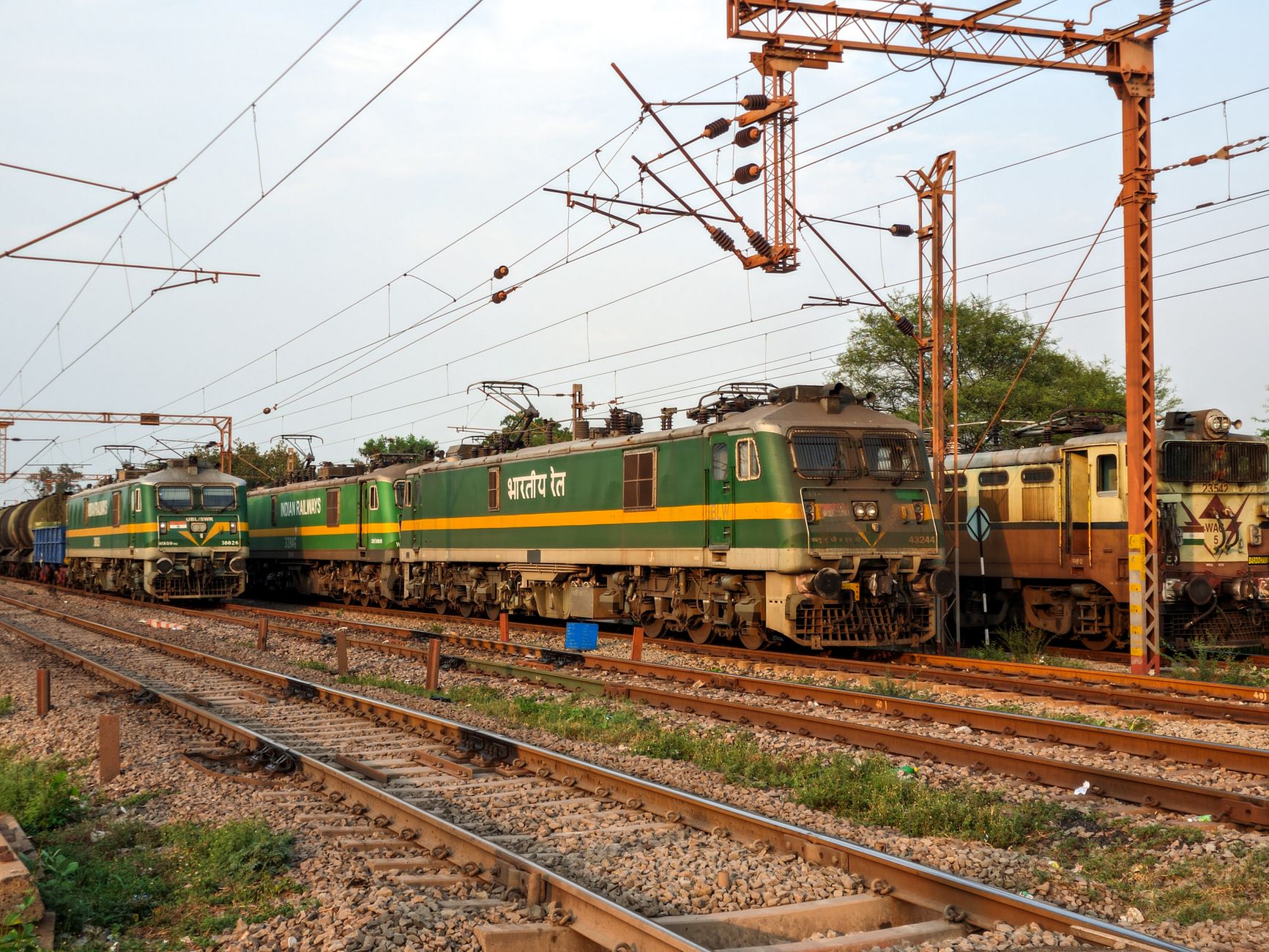
India has taken a major leap in sustainable transportation with the launch of its first hydrogen-powered train, a development that has garnered enthusiastic praise from pilots, railway professionals, and engineering students who witnessed the historic rollout. This indigenous technology represents a crucial milestone in the country's commitment to reducing carbon emissions and achieving its net-zero targets.
What Makes Hydrogen Trains Special
Hydrogen fuel cell trains operate by converting hydrogen gas into electricity through an electrochemical process. Unlike traditional diesel locomotives that burn fuel and release harmful pollutants, hydrogen trains emit only water vapor and heat as byproducts. The fuel cells combine hydrogen with oxygen from the air to generate electrical power that runs the motors, making them completely emission-free at the point of use.
The technology offers several advantages over conventional trains. First, hydrogen trains are significantly quieter, reducing noise pollution in urban and suburban areas. Second, they can match or exceed the performance of diesel trains in terms of acceleration and speed. Third, they can travel considerable distances on a single tank of hydrogen, making them practical for both short commuter routes and longer intercity journeys.
Performance That Impresses
Early feedback from those who have experienced the train firsthand highlights its remarkable pickup and acceleration. The instant torque delivery characteristic of electric motors powered by fuel cells provides smooth, responsive performance that rivals or surpasses traditional diesel engines. This aspect is particularly important for passenger comfort and operational efficiency, especially on routes with frequent stops.
Railway pilots and engineers have noted that the hydrogen train handles similarly to electric trains, with the added benefit of not requiring extensive overhead electrical infrastructure. This makes hydrogen technology particularly attractive for routes where electrification would be prohibitively expensive or logistically challenging.
India's Indigenous Development
The development of this hydrogen train technology represents a significant achievement for Indian engineering and manufacturing. By creating this technology domestically, India reduces its dependence on imported solutions and builds local expertise in cutting-edge sustainable transportation systems. This aligns with the government's Make in India initiative and strengthens the country's position in the global green technology sector.
Engineering students and academic institutions have shown particular interest in the project, seeing it as both an educational opportunity and a source of national pride. The technology involves complex systems integration, including hydrogen storage, fuel cell management, power electronics, and safety systems, providing valuable learning opportunities across multiple disciplines.
Environmental and Economic Impact
The environmental benefits of hydrogen trains are substantial. India's railway network is one of the largest in the world, and transitioning even a portion of it to hydrogen power could significantly reduce the country's carbon footprint. Diesel locomotives are major contributors to air pollution, particularly in densely populated urban areas where air quality is already a serious concern.
From an economic perspective, hydrogen trains offer long-term cost advantages. While the initial investment is higher than diesel locomotives, operational costs can be lower, especially as hydrogen production scales up and becomes more affordable. Maintenance requirements are generally reduced compared to diesel engines, which have more moving parts and require regular servicing.
Challenges and the Road Ahead
Despite the promising start, several challenges remain before hydrogen trains can become widespread across India's railway network. The primary obstacle is the lack of hydrogen production and refueling infrastructure. Green hydrogen, produced using renewable energy sources, is essential for the technology to deliver its full environmental benefits. Currently, most hydrogen is produced from natural gas, which still generates carbon emissions.
Storage and transportation of hydrogen also present technical challenges. Hydrogen requires specialized tanks and handling procedures due to its properties. Building a nationwide network of hydrogen refueling stations will require significant investment and coordination between government agencies and private sector partners.
Global Context
India joins a small but growing group of countries experimenting with hydrogen rail technology. Germany launched the world's first hydrogen passenger trains in 2018, and several European countries are expanding their hydrogen rail fleets. France, Italy, and the United Kingdom have all announced plans to introduce hydrogen trains on non-electrified routes.
The launch of India's hydrogen train demonstrates the country's commitment to being at the forefront of sustainable technology adoption rather than waiting for proven solutions to mature elsewhere. This proactive approach could position India as a leader in hydrogen railway technology for developing nations facing similar infrastructure and environmental challenges.