Indian Railways has embarked on an ambitious journey to transform its operations with indigenous hydrogen fuel cell technology, signaling a major shift toward cleaner and more sustainable transportation. The Ministry of Railways (MoR) announcement represents a landmark development in India's push for green mobility and self-reliance in critical technologies.
What Are Hydrogen Fuel Cells
Hydrogen fuel cells generate electricity through a chemical reaction between hydrogen and oxygen, producing only water vapor as a byproduct. Unlike traditional diesel engines that burn fossil fuels and emit harmful pollutants, fuel cells offer a zero-emission alternative for powering trains. The technology converts hydrogen stored in tanks into electrical energy that drives electric motors, making it an ideal solution for railway applications where electrification through overhead wires may be impractical or too expensive.
Why Railways Are Turning to Hydrogen
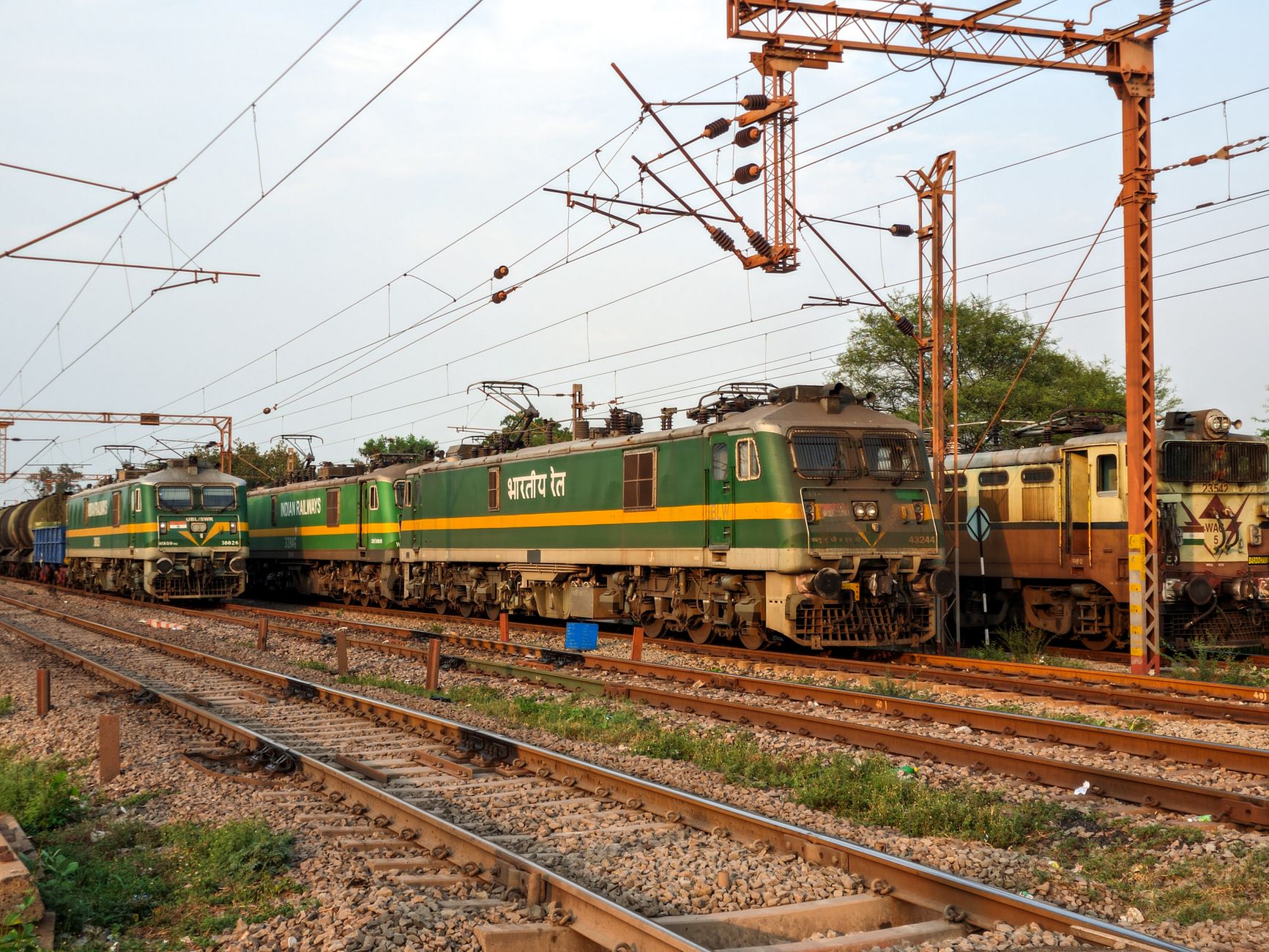
Indian Railways operates one of the largest rail networks globally, carrying millions of passengers and tonnes of freight daily. However, a significant portion of the network still relies on diesel locomotives, which contribute substantially to air pollution and greenhouse gas emissions. The adoption of hydrogen technology addresses multiple challenges simultaneously.
First, it provides a clean alternative for routes where traditional electrification is economically unviable, particularly in remote or hilly regions. Second, it supports India's climate commitments under the Paris Agreement by reducing the carbon footprint of the transport sector. Third, using indigenous technology reduces dependence on imported fuel and supports the government's Atmanirbhar Bharat (self-reliant India) initiative.
The Indigenous Technology Advantage
Developing hydrogen fuel cell technology domestically offers several strategic benefits. It creates opportunities for Indian research institutions and manufacturers to build expertise in cutting-edge clean energy solutions. The technology development process generates high-skilled jobs and strengthens the domestic innovation ecosystem.
By relying on homegrown solutions, Indian Railways can customize the technology to suit local operating conditions, including extreme temperatures, varying terrains, and specific infrastructure requirements. This also ensures better maintenance support, spare parts availability, and long-term cost efficiency compared to imported alternatives.
Implementation Challenges and Solutions
Transitioning to hydrogen-powered trains involves overcoming several technical and infrastructural hurdles. The most significant challenge is establishing a robust hydrogen production, storage, and distribution infrastructure. Hydrogen must be produced through clean methods, preferably using renewable energy sources like solar or wind power, to ensure the entire system remains environmentally sustainable.
Storage and handling of hydrogen require specialized equipment and safety protocols, as the gas is highly flammable. Railway stations and maintenance depots will need upgrades to accommodate hydrogen refueling facilities. Additionally, training personnel in operating and maintaining hydrogen fuel cell systems represents a substantial undertaking.
Cost considerations also play a crucial role. While operational costs may decrease over time due to lower fuel expenses, the initial capital investment in new rolling stock and infrastructure is significant. The government may need to provide subsidies or incentives to make the transition economically viable.
Global Context and India's Position
Several countries have already launched hydrogen-powered trains commercially. Germany introduced the world's first hydrogen passenger trains in 2018, while France, the Netherlands, and other European nations have followed suit. China has also invested heavily in hydrogen rail technology.
India's move to develop indigenous capabilities positions the country as a potential leader in this space, particularly for developing nations facing similar challenges of balancing development needs with environmental sustainability. The technology could eventually become an export opportunity if Indian manufacturers can achieve competitive pricing and performance.
Future Outlook
The adoption of hydrogen fuel cell technology represents just one component of Indian Railways' broader sustainability strategy, which includes increasing electrification, deploying solar panels at stations, and improving energy efficiency. As the technology matures and costs decline, hydrogen trains could become commonplace on non-electrified routes.
Success will depend on coordinated efforts among government agencies, research institutions, and private sector partners to build the necessary ecosystem. If implemented effectively, hydrogen-powered railways could serve as a model for other sectors seeking to reduce their carbon footprint while maintaining operational efficiency.
The coming years will be crucial as pilot projects transition to commercial operations, providing valuable data on performance, costs, and scalability. This indigenous technological achievement could mark a turning point in India's journey toward sustainable and self-reliant transportation infrastructure.