India's battle against dengue fever has entered a new phase with the availability of vaccines in the country. However, having a preventive tool and using it effectively are two different challenges. Public health experts are now calling for a well-defined national strategy to ensure these vaccines reach those who need them most and make a meaningful impact on disease burden.
Understanding India's Dengue Challenge
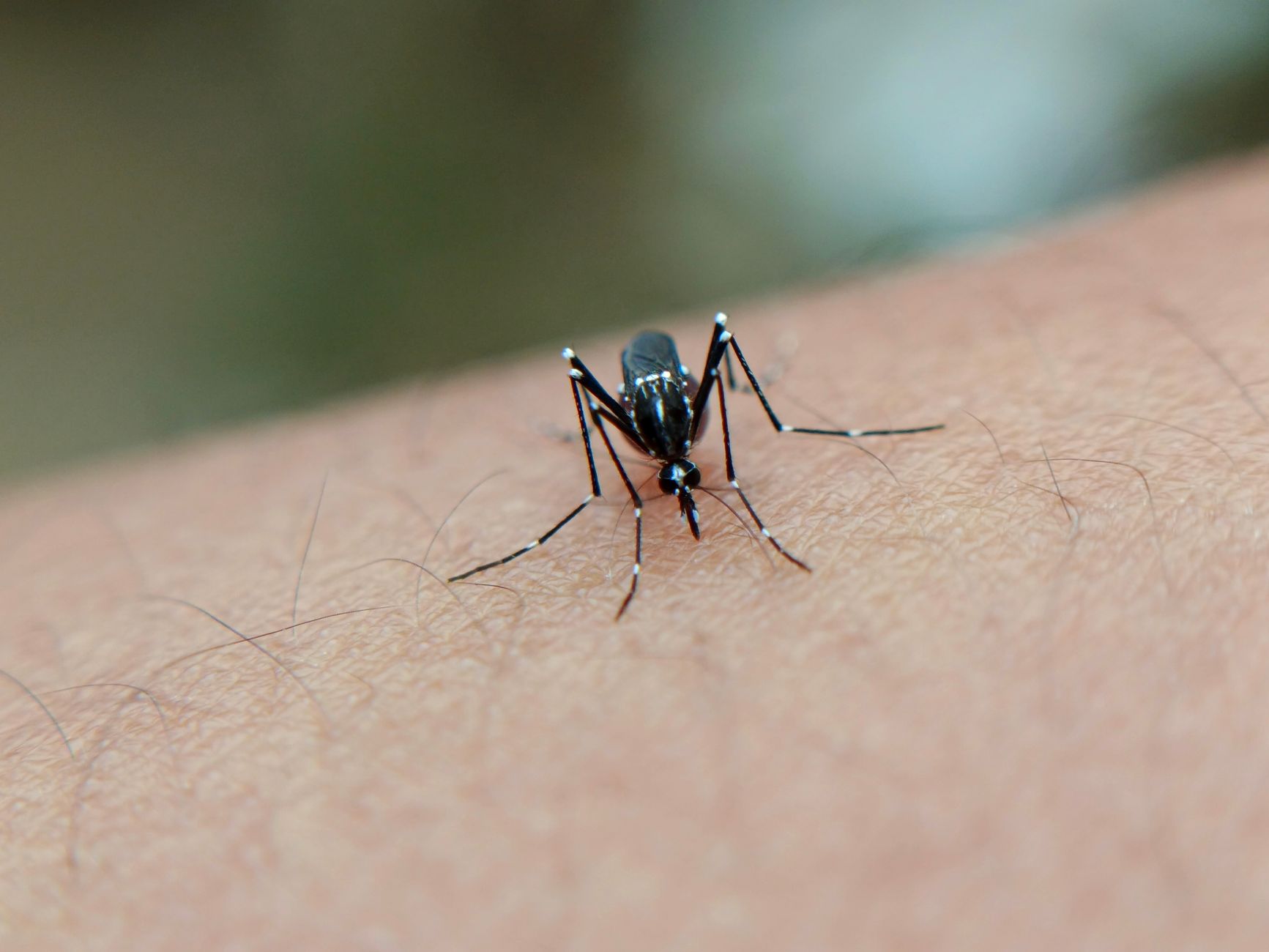
Dengue is one of India's most significant public health concerns, particularly during and after the monsoon season. The mosquito-borne viral infection affects hundreds of thousands of people annually, with numbers fluctuating based on rainfall patterns, urbanization, and vector control efforts. While most cases result in high fever, severe body aches, and fatigue, some patients develop severe dengue, which can lead to bleeding complications, organ failure, and even death.
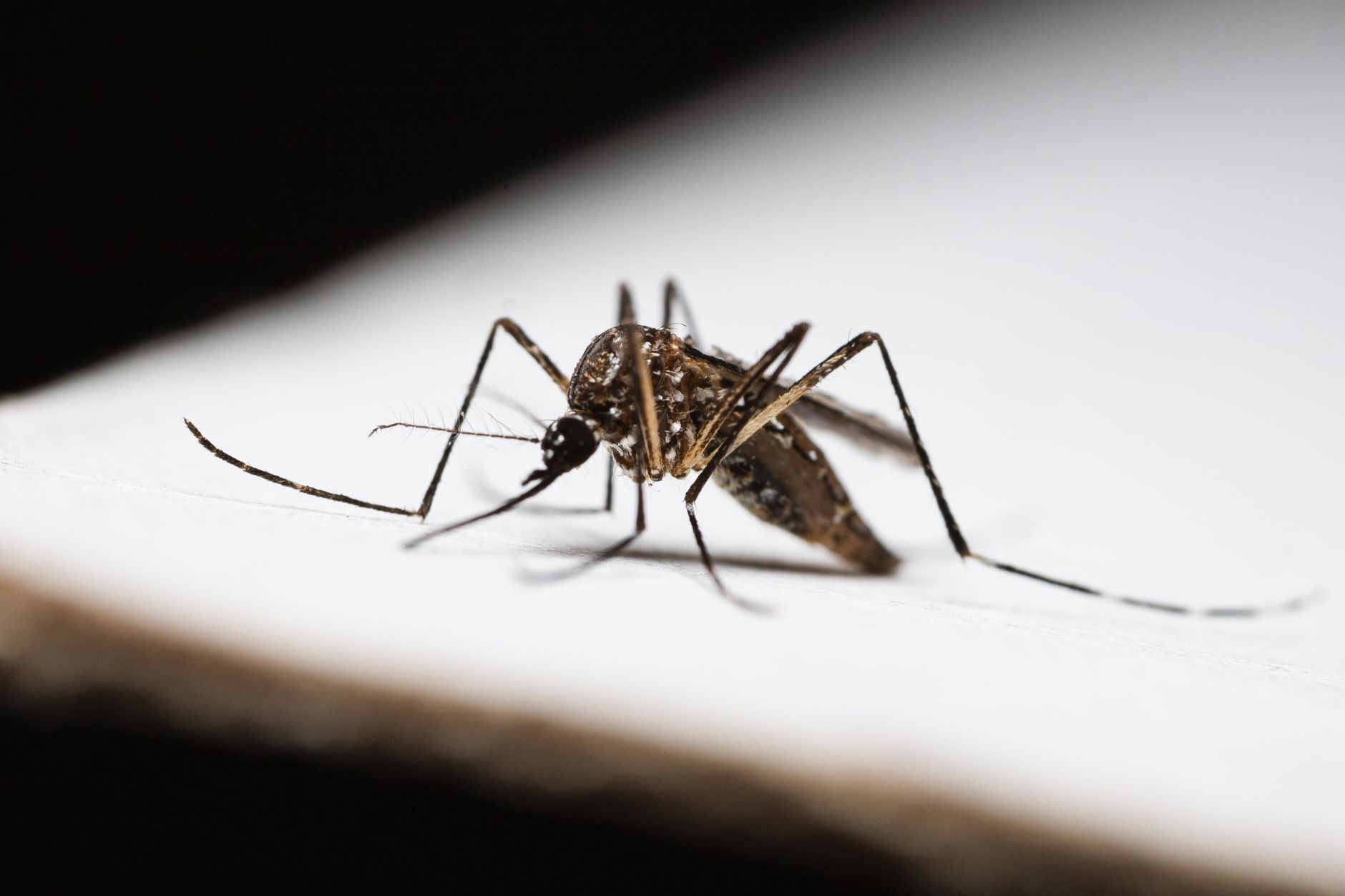
Children and young adults are particularly vulnerable, and the disease places enormous strain on India's healthcare infrastructure during peak transmission seasons. Urban and peri-urban areas with inadequate drainage systems and water storage practices provide ideal breeding grounds for Aedes mosquitoes, the primary vectors of dengue.
The Vaccine Landscape
Dengue vaccines work differently from many traditional vaccines because the dengue virus exists in four distinct serotypes. An ideal vaccine must provide protection against all four types, as infection with one serotype followed by another can increase the risk of severe disease through a phenomenon called antibody-dependent enhancement.
The vaccines available or under consideration in India include options that have been used in other countries with varying eligibility criteria. Some vaccines are recommended primarily for individuals who have previously been infected with dengue, while others may have broader applicability. The effectiveness of these vaccines typically ranges from moderate to good, depending on the specific serotype and the recipient's prior exposure history.
The Strategy Gap
Simply having vaccines available in clinics and hospitals is insufficient to address India's dengue burden. Several critical components of a deployment strategy need careful consideration.
First, identifying priority populations is essential. Should the focus be on high-burden states, urban clusters, children of specific age groups, or individuals with prior dengue infection? Each approach has different implications for vaccine procurement, delivery systems, and expected impact.
Second, the pricing and accessibility question looms large. If vaccines remain available only through private healthcare providers at premium prices, their public health impact will be limited. Inclusion in government immunization programs or subsidized access schemes could dramatically improve reach, but requires substantial budgetary allocation and political will.
Implementation Challenges
Several practical hurdles must be addressed for effective vaccine deployment:
- Public awareness remains low about dengue vaccines, their benefits, and their limitations
- Healthcare workers need training to identify suitable candidates for vaccination
- Cold chain infrastructure must be assessed and potentially strengthened
- Surveillance systems need enhancement to track vaccination coverage and disease trends
- Integration with existing mosquito control programs requires coordination
Additionally, dengue vaccines cannot replace vector control measures. Mosquito breeding site elimination, fogging during outbreaks, and community participation in sanitation efforts must continue alongside any vaccination program.
The Path Forward
Several states have already begun exploring vaccination programs in high-burden districts. These pilot initiatives could provide valuable data on acceptance rates, logistical challenges, and real-world effectiveness under Indian conditions.
A phased approach might work best, beginning with areas that have reliable disease surveillance, adequate healthcare infrastructure, and high disease burden. Lessons learned could then inform expansion to other regions.
Public-private partnerships may also play a role, with government programs targeting vulnerable populations while private sector availability serves those who can afford it. Transparent pricing negotiations and technology transfer agreements could help reduce costs over time.
Community engagement will be crucial for success. Misinformation about vaccines spreads rapidly, and addressing concerns through trusted local health workers and clear communication campaigns will determine acceptance rates.
Looking Ahead
India has demonstrated its capability to execute massive immunization campaigns, as seen with COVID-19 vaccination and routine childhood immunization programs. Applying similar organizational strengths to dengue vaccination, while accounting for the disease's unique epidemiology, could significantly reduce the burden of this debilitating illness.
The availability of dengue vaccines represents genuine progress, but the hard work of strategic planning, resource allocation, and systematic implementation lies ahead. With dengue cases showing no signs of declining and climate change potentially expanding mosquito habitats, the time for comprehensive action is now.
This article is for general informational purposes only and does not constitute medical advice. Consult qualified healthcare professionals for guidance on dengue prevention, vaccination eligibility, and treatment options suitable for your individual circumstances.