India has taken a major step forward in public health with the approval of QDENGA, the country's first dengue vaccine. This development comes as dengue continues to pose a significant health challenge across the nation, with cases surging particularly during monsoon seasons. The vaccine offers new hope in combating a disease that affects millions of Indians annually and places considerable strain on the healthcare system.
Understanding Dengue and Its Impact in India
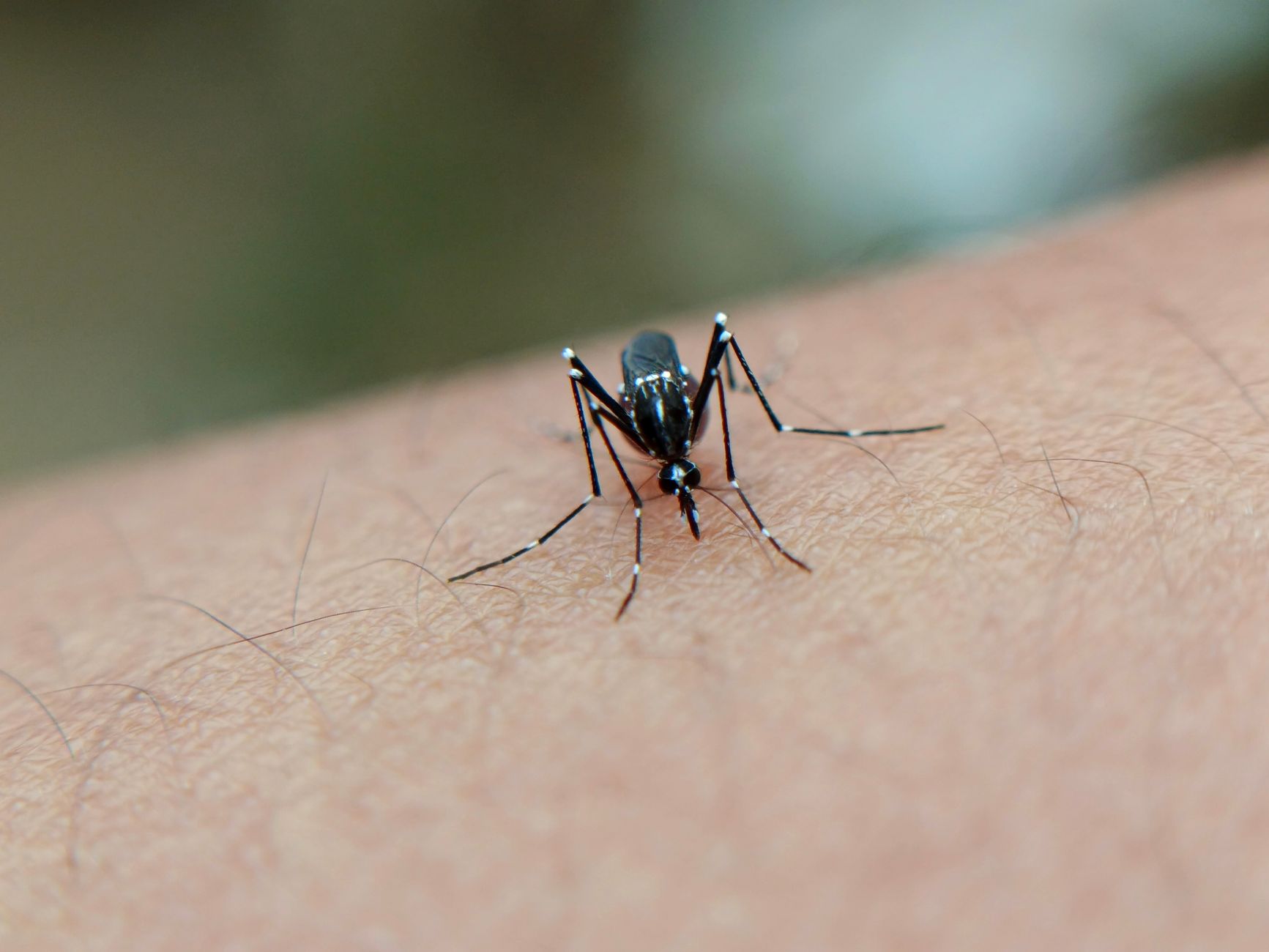
Dengue fever is a mosquito-borne viral infection transmitted primarily by Aedes aegypti mosquitoes. The disease manifests with high fever, severe headache, pain behind the eyes, joint and muscle pain, and sometimes a characteristic rash. While many cases are mild, dengue can progress to severe forms, including dengue hemorrhagic fever and dengue shock syndrome, which can be life-threatening.
India reports hundreds of thousands of dengue cases annually, though the actual numbers are believed to be much higher due to underreporting and asymptomatic cases. The disease burden is particularly heavy in urban and semi-urban areas where mosquito breeding sites are abundant.
What is QDENGA?
QDENGA is a live-attenuated tetravalent dengue vaccine, meaning it provides protection against all four dengue virus serotypes. Developed by Takeda Pharmaceutical Company, the vaccine has already received regulatory approval in several countries across Europe, Latin America, and Asia before arriving in India.
The vaccine works by introducing weakened forms of the dengue viruses into the body, prompting the immune system to develop protective antibodies without causing the disease itself. This comprehensive approach is crucial because exposure to one dengue serotype does not provide long-term immunity against the other three, and subsequent infections can actually increase the risk of severe disease.
Effectiveness of the Vaccine
Clinical trials have demonstrated that QDENGA provides significant protection against symptomatic dengue disease. Studies showed the vaccine to be particularly effective in preventing hospitalization due to dengue and reducing the occurrence of severe dengue cases.
The vaccine's effectiveness varies slightly depending on factors such as the recipient's age, previous dengue exposure, and the specific serotype encountered. However, overall efficacy rates from clinical trials have been encouraging, with substantial reduction in dengue cases among vaccinated individuals compared to those receiving placebo.
Importantly, the vaccine has shown sustained protection over several years of follow-up, though the exact duration of immunity continues to be monitored through ongoing studies.
Dosing Schedule
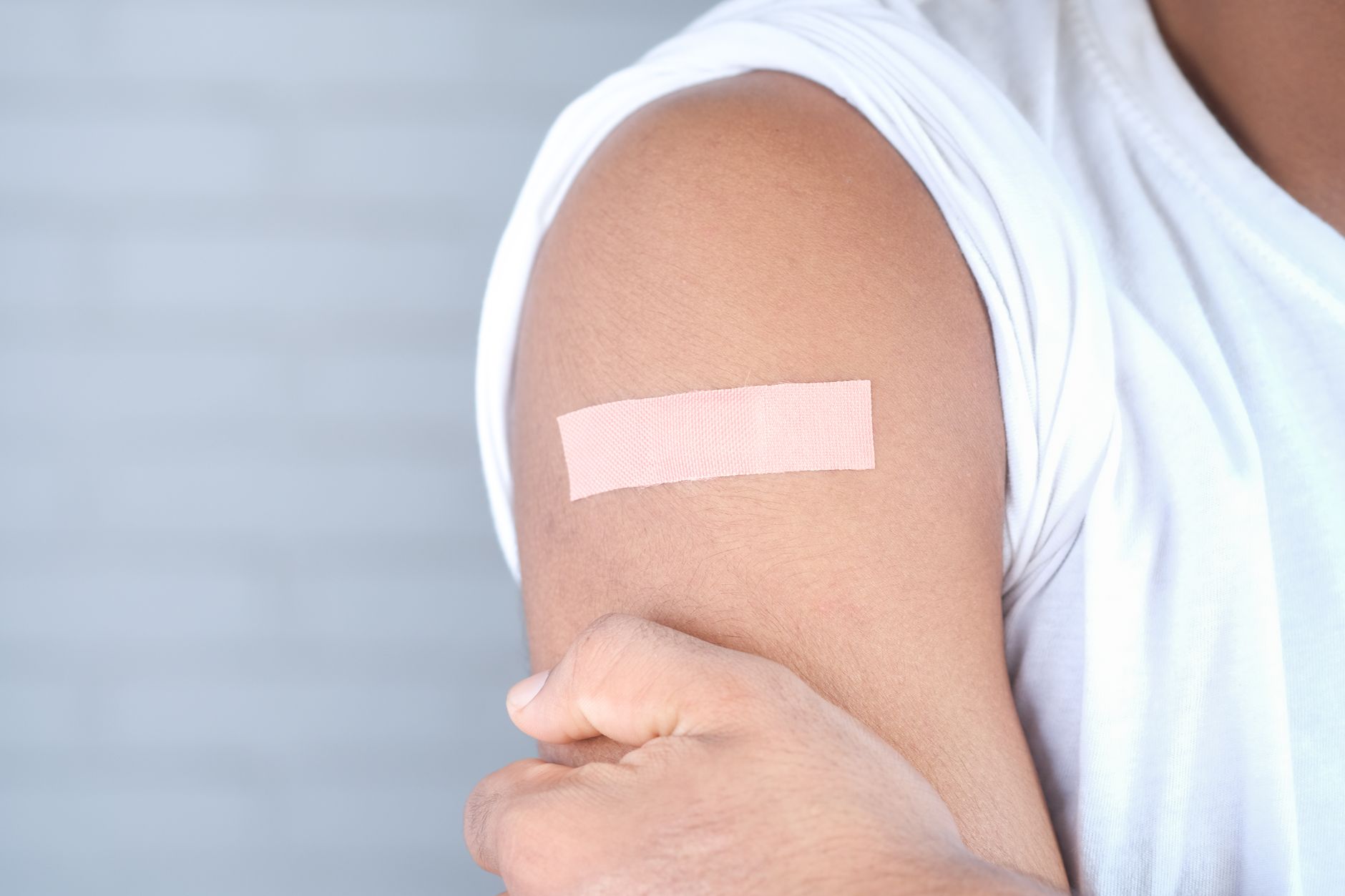
QDENGA requires a two-dose schedule for complete immunization. The doses are administered three months apart, meaning individuals need to return for a second injection approximately 90 days after the first dose.
Both doses are essential for optimal protection, and completing the full vaccination schedule is crucial to achieve the immunity levels observed in clinical trials. The vaccine is administered via subcutaneous injection.
Who is Eligible?
The approved age range for QDENGA in India is expected to cover children and adults, typically from ages 4 to 60 years, though specific regulatory guidelines may provide exact parameters. This broad eligibility makes it a valuable tool for protecting a significant portion of the population at risk.
A key advantage of QDENGA over some previous dengue vaccine candidates is that it can generally be administered regardless of whether the recipient has had dengue before. This simplifies vaccination programs considerably, as pre-vaccination screening for prior dengue exposure is not necessarily required.
Considerations and Limitations
While QDENGA represents a breakthrough, it is not a silver bullet for dengue control. The vaccine should be viewed as part of a comprehensive dengue prevention strategy that includes mosquito control measures, use of mosquito repellents, eliminating standing water where mosquitoes breed, and prompt medical attention for suspected cases.
Certain individuals may not be suitable candidates for the vaccine, including those with severely compromised immune systems, pregnant women, and individuals with specific allergies. Healthcare providers will assess individual suitability before vaccination.
Looking Ahead
The introduction of QDENGA in India marks an important addition to the country's disease prevention toolkit. As the vaccine becomes available through government programs and private healthcare facilities, it has the potential to significantly reduce the dengue burden, especially in endemic areas.
This article provides general health information only and should not be considered medical advice. Individuals interested in dengue vaccination should consult with qualified healthcare professionals to discuss their specific circumstances, eligibility, and any potential risks or contraindications.