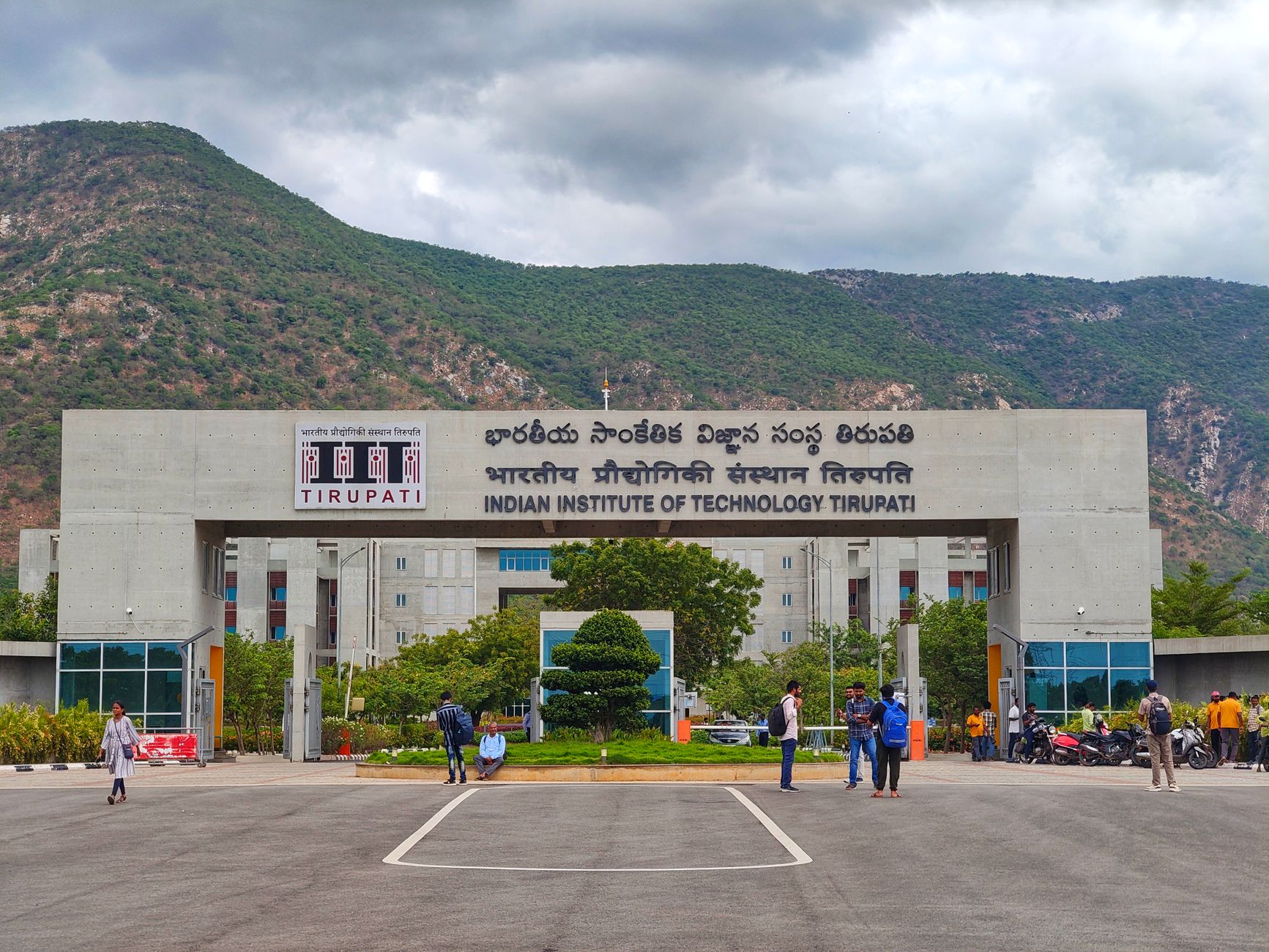
The traditional pathway of pursuing higher education abroad immediately after school is undergoing a significant shift in India. More students and their families are now opting to complete undergraduate degrees at home before considering international education for postgraduate studies, marking a notable departure from previous trends.
The Rising Cost of Foreign Education
International education has become prohibitively expensive for many middle-class Indian families. Tuition fees at universities in the United States, United Kingdom, Canada, and Australia have increased substantially over the past decade. When combined with living expenses, visa fees, health insurance, and fluctuating exchange rates, a four-year undergraduate degree abroad can cost anywhere from Rs 1 crore to Rs 2.5 crore.
In contrast, even premium private institutions in India charge significantly lower fees. Top-tier Indian universities and colleges offer quality education at a fraction of the cost, making them an economically sensible choice for undergraduate studies. Families are realizing they can save these funds for postgraduate education abroad, where specialized degrees often provide better return on investment.
Improving Quality of Indian Higher Education
Indian universities have made considerable strides in enhancing their academic offerings and infrastructure. Several institutions now feature in global rankings, and many have established partnerships with international universities for exchange programmes and dual degrees. The National Institutional Ranking Framework has encouraged healthy competition among institutions, driving quality improvements.
The Indian Institutes of Technology, National Law Universities, Indian Institutes of Management, and premier medical colleges have maintained their reputation for academic excellence. Additionally, new private universities are bringing innovative curricula, modern teaching methodologies, and industry connections that rival international standards.
Placement Opportunities and Career Prospects
India's robust economic growth and expanding job market have created abundant opportunities for graduates. Technology companies, startups, financial services firms, and multinational corporations actively recruit from Indian campuses, offering competitive salaries and career growth potential.
Many employers value candidates who understand the Indian market and have built local networks during their undergraduate years. Students graduating from top Indian institutions often secure positions with salaries comparable to what they might earn after studying abroad, without the burden of education loans.
Visa Uncertainties and Immigration Challenges
Recent years have witnessed increasing uncertainty regarding student visas and post-study work opportunities in popular destinations. Changes in immigration policies in countries like the United States, United Kingdom, and Australia have made it more difficult for international students to secure long-term employment after graduation.
These policy shifts have prompted families to reconsider the value proposition of undergraduate education abroad. By studying in India first, students can later pursue postgraduate degrees in fields with clearer immigration pathways or return home with advanced qualifications.
The Strategic Approach
Students and education counselors increasingly advocate a strategic two-step approach:
- Complete undergraduate education at a reputable Indian institution
- Gain work experience in India for 2-3 years
- Pursue postgraduate studies abroad in a specialized field
- Leverage the international degree for global career opportunities
This pathway offers several advantages. Students mature personally and professionally before going abroad, making them better equipped to maximize the international experience. They also build a foundation in their home country, creating options for eventual return if desired.
Social and Cultural Considerations
The age at which students move abroad matters to many families. Parents are more comfortable with their children experiencing foreign cultures and independent living in their early twenties rather than at seventeen or eighteen. The additional years at home allow for stronger family bonds and cultural grounding.
Furthermore, undergraduate years in India provide opportunities to build lasting friendships and professional networks that remain valuable throughout one's career, regardless of where it ultimately leads.
The COVID-19 Impact
The pandemic accelerated this trend significantly. When international borders closed and classes moved online, many students questioned the value of paying international fees for remote learning. Indian institutions adapted quickly to online education, demonstrating resilience and capability.
This period also highlighted the importance of being closer to family during uncertain times, a consideration that continues to influence educational decisions.
Looking Ahead
This shift doesn't indicate declining interest in international education altogether. Rather, it reflects a more strategic, financially prudent approach to building global educational credentials. Students are choosing to establish strong foundations at home before seeking specialized knowledge abroad, combining the best of both worlds for optimal career outcomes.