India's healthcare landscape is undergoing a significant transformation as the government and private sector work together to bridge the gap between medical services and millions of citizens. Through a combination of community-based initiatives and digital health platforms, the country is addressing long-standing challenges in healthcare accessibility, particularly in underserved regions.
The Community Healthcare Approach
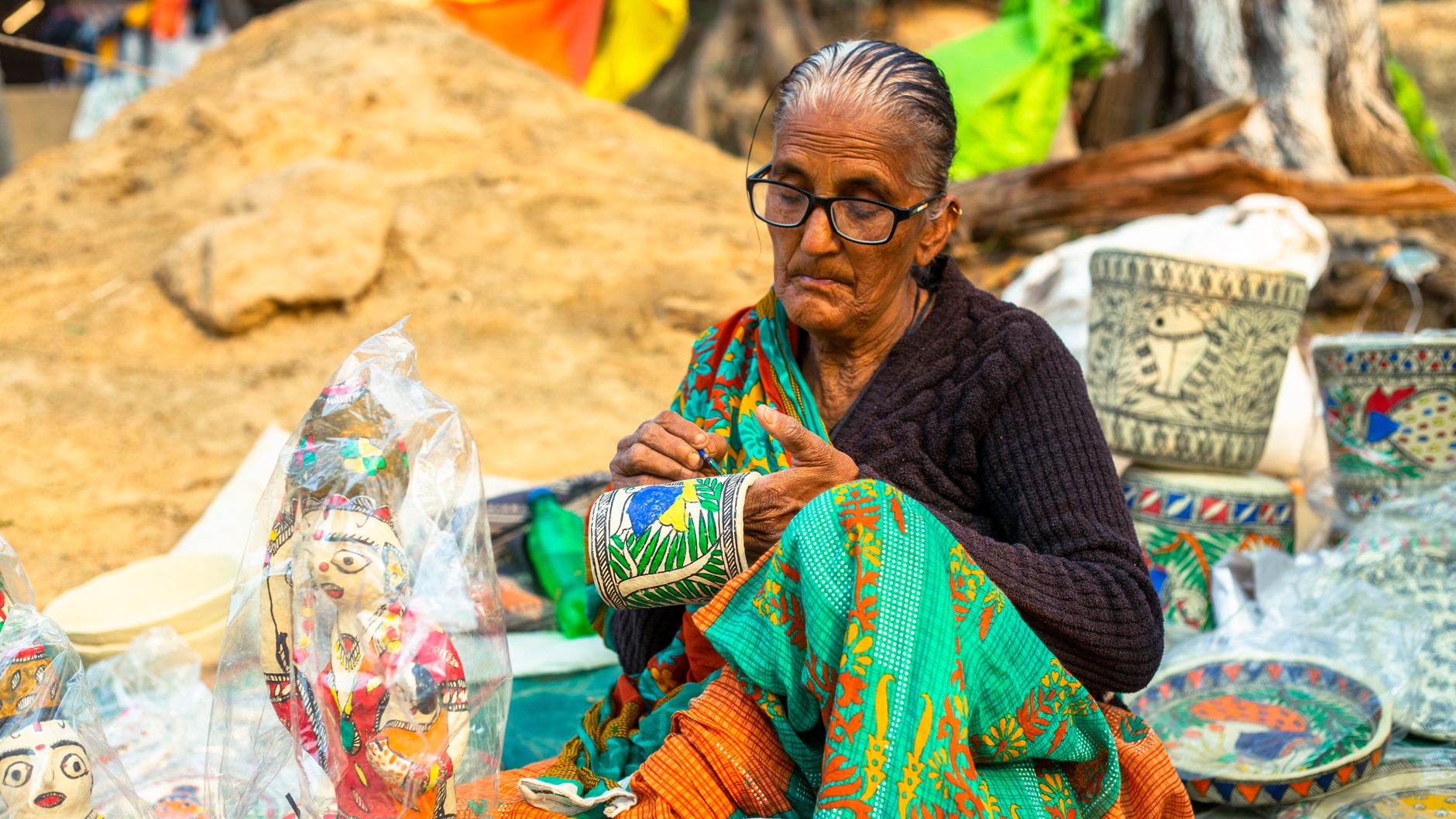
Community health workers have become the backbone of India's expanded healthcare access strategy. The Accredited Social Health Activist (ASHA) program, which has been operational for nearly two decades, continues to expand its reach. These trained community health workers serve as the first point of contact between the healthcare system and rural populations, providing basic medical advice, maternal and child health services, and health education at the grassroots level.
Auxiliary Nurse Midwives (ANMs) and Anganwadi workers complement this network by delivering essential healthcare services directly to villages and urban slums. This three-tier community health framework has proven particularly effective in improving maternal health outcomes, childhood immunization rates, and early disease detection.
The community health model addresses several critical barriers that have historically prevented Indians from accessing medical care. Geographic distance, lack of awareness about available services, and cultural hesitations are all mitigated when healthcare comes directly to communities through trusted local representatives.
Digital Health Revolution
Parallel to community efforts, digital health initiatives are transforming how Indians access medical services. The Ayushman Bharat Digital Mission (ABDM) represents one of the world's largest digital health ecosystems, creating unique health IDs for citizens and enabling seamless electronic health record sharing across facilities.
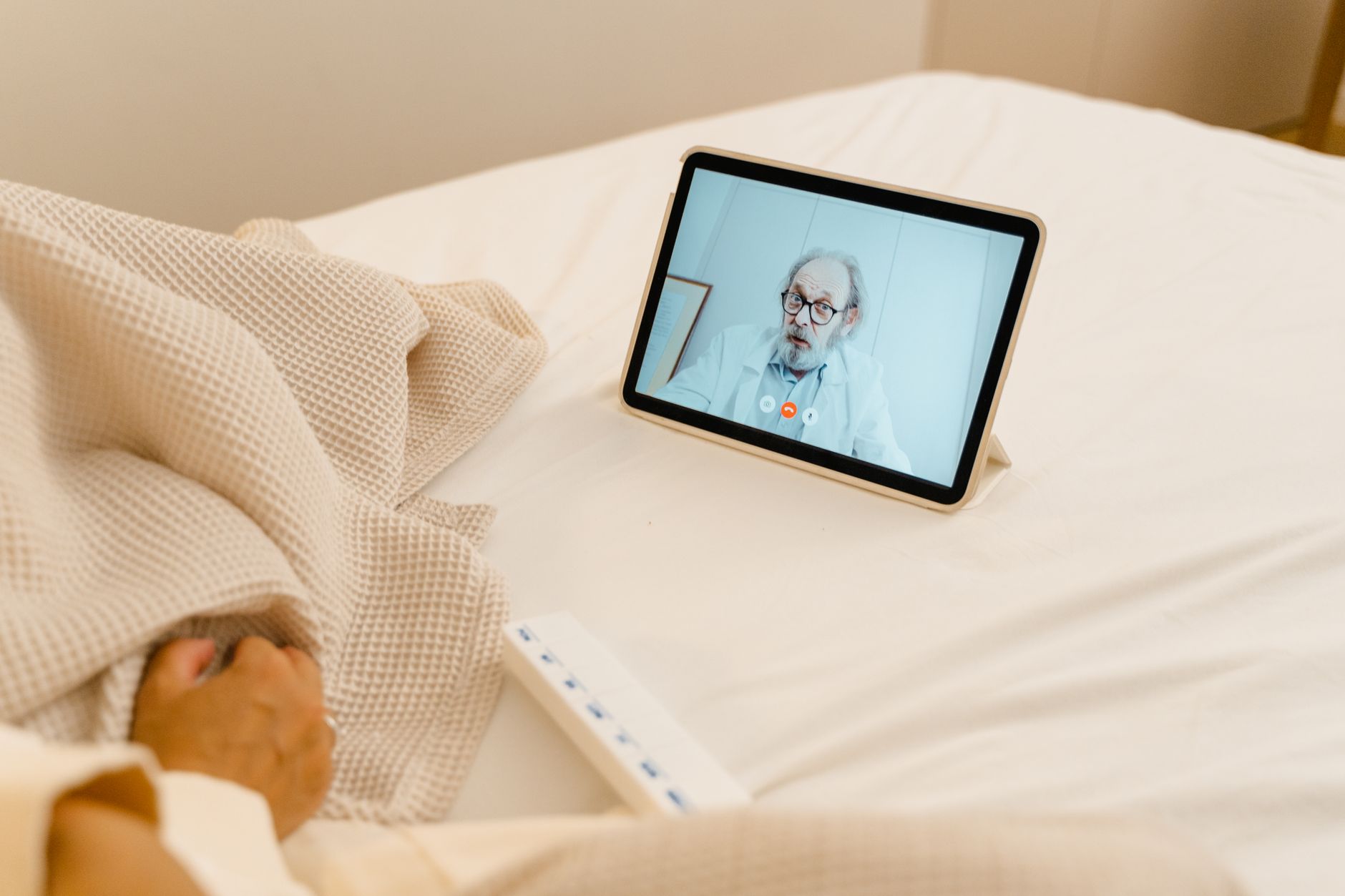
Telemedicine platforms have experienced explosive growth, particularly following the COVID-19 pandemic. Rural health centers now connect with specialist doctors in urban hospitals through video consultations, eliminating the need for expensive and time-consuming travel. Patients can receive expert medical opinions without leaving their districts, dramatically reducing both healthcare costs and delays in treatment.
Mobile health applications are empowering citizens to take charge of their own wellness. From appointment booking and prescription management to health tracking and medicine delivery, smartphone apps are making healthcare more convenient and efficient for tech-savvy urban populations and increasingly for rural users as well.
Key Benefits and Developments
- Reduced healthcare costs through early intervention and preventive care at the community level
- Improved health outcomes in maternal and child health indicators
- Greater reach to remote and underserved populations previously isolated from medical facilities
- Faster diagnosis and treatment through teleconsultations with specialists
- Better health data collection enabling evidence-based policy decisions
- Enhanced medication adherence through digital reminders and follow-ups
- Increased health literacy through mobile-based educational content
Challenges and Solutions
Despite progress, several challenges remain. Digital literacy gaps, particularly among elderly and rural populations, can limit the effectiveness of technology-based solutions. Internet connectivity issues in remote areas continue to hamper telemedicine adoption. The government is addressing these through digital literacy campaigns and infrastructure investments in rural broadband.
Integration between community health workers and digital platforms represents the next frontier. Equipping ASHA workers with tablets and smartphones enables them to maintain digital health records, schedule virtual consultations, and access clinical decision support tools, combining the personal touch of community care with the efficiency of technology.
The Path Forward
India's dual approach of strengthening community health networks while building robust digital infrastructure creates a sustainable model for healthcare delivery. This strategy recognizes that technology alone cannot solve healthcare access problems without the human element of community trust and engagement.
As 5G networks expand across the country, even more sophisticated telehealth applications will become possible, including remote diagnostics and AI-assisted medical consultations. Meanwhile, continued investment in training community health workers ensures that the benefits of these technological advances reach every citizen, regardless of their location or economic status.
The integration of traditional community healthcare with cutting-edge digital solutions positions India as a potential model for other developing nations facing similar healthcare access challenges.
This article is for general information purposes only and does not constitute medical advice. Always consult qualified healthcare professionals for medical decisions and treatment.