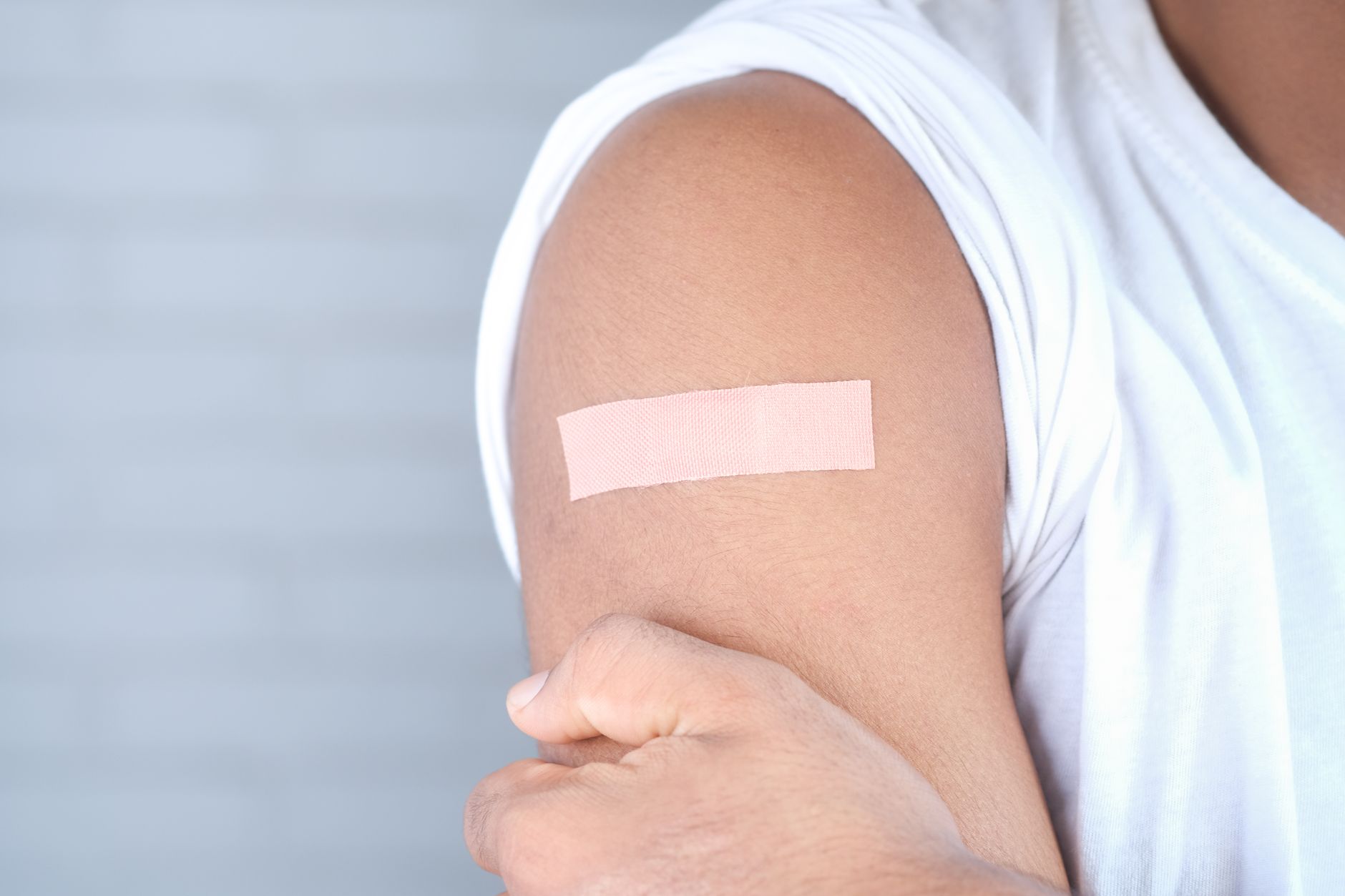
India has reached a milestone in its battle against dengue with the approval of Qdenga, a vaccine developed by Japanese pharmaceutical company Takeda. The Drug Controller General of India (DCGI) has cleared this vaccine for use in individuals aged 4 to 60 years, making it the first dengue vaccine authorized in the country.
Understanding Dengue in India
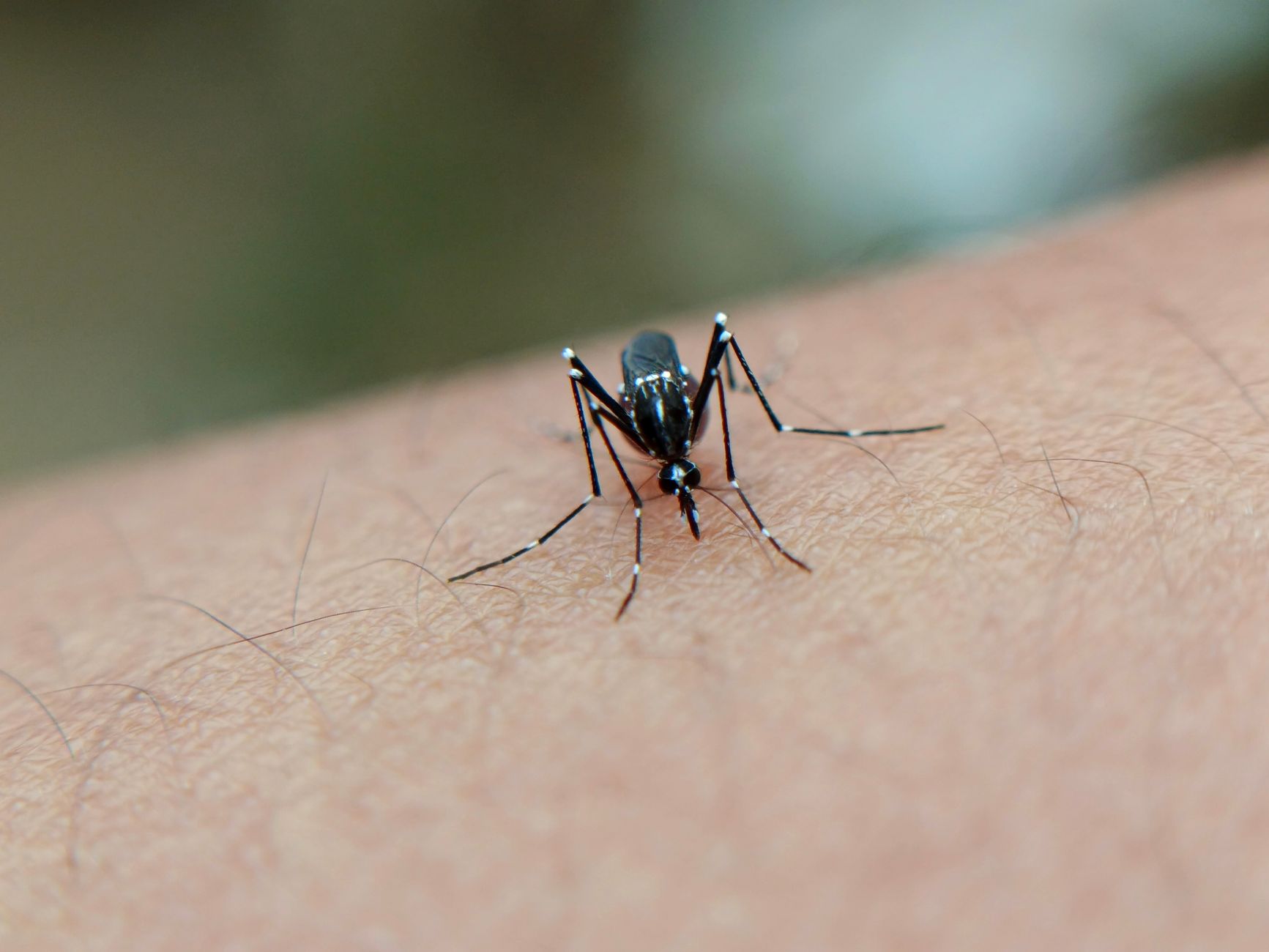
Dengue fever is a mosquito-borne viral infection that poses a serious public health challenge across India. The disease is transmitted primarily by Aedes aegypti mosquitoes and causes symptoms ranging from high fever and severe headache to joint pain and rash. In severe cases, dengue can progress to dengue hemorrhagic fever or dengue shock syndrome, which can be fatal.
India reports hundreds of thousands of dengue cases annually, with the actual numbers likely much higher due to underreporting and misdiagnosis. The disease burden is particularly heavy during monsoon and post-monsoon seasons when mosquito breeding intensifies. Urban and semi-urban areas are especially vulnerable due to water storage practices and inadequate sanitation infrastructure.
About Qdenga Vaccine
Qdenga is a live-attenuated tetravalent dengue vaccine, meaning it provides protection against all four serotypes of the dengue virus (DENV-1, DENV-2, DENV-3, and DENV-4). This is crucial because infection with one serotype does not provide long-term immunity against the others, and subsequent infections with different serotypes can increase the risk of severe dengue.
The vaccine is administered as a two-dose regimen, with the second dose given three months after the first. Clinical trials have demonstrated that Qdenga can reduce hospitalized dengue cases and symptomatic dengue across diverse populations.
How the Vaccine Works
Qdenga uses weakened versions of the dengue virus to stimulate the immune system without causing disease. Three of the four vaccine strains are based on an attenuated DENV-2 strain, while the fourth uses the actual attenuated DENV-4 virus. This approach helps the body develop immunity so it can recognize and fight off the virus if exposed in the future.
Who Can Receive the Vaccine
The DCGI approval covers individuals between 4 and 60 years of age. This age range encompasses children, adolescents, and working-age adults who are most at risk of dengue exposure. The vaccine can be administered to people regardless of whether they have had previous dengue infection, which distinguishes it from some other dengue vaccines that required prior infection history.
Significance for India's Public Health
This approval represents a new tool in India's dengue prevention arsenal. Until now, dengue control efforts have focused primarily on mosquito control measures, public awareness campaigns, and case management. While these remain essential, vaccination offers an additional layer of protection, especially in endemic areas where dengue circulates year-round.
The vaccine could be particularly valuable for:
- Children and adolescents who face high exposure in schools and residential areas
- People living in dengue-endemic regions with recurring outbreaks
- Urban populations in metros and cities where mosquito control is challenging
- Healthcare workers and others with occupational exposure risks
Global Context
Qdenga has already received regulatory approval in several countries across Europe, Latin America, and Asia. The European Union approved it in 2022, and it has since been authorized in nations including Brazil, Argentina, Indonesia, and Thailand. India's approval aligns with global recognition of the vaccine's safety and efficacy profile.
Challenges Ahead
While the approval is a positive development, several questions remain about implementation. Pricing, availability, and inclusion in public immunization programs will determine how widely accessible the vaccine becomes. Given India's large population and high disease burden, logistical planning for vaccine distribution will be critical.
Additionally, public awareness about dengue vaccination will need to be built, as this represents a new preventive option that many people may not be familiar with. Healthcare providers will need guidance on identifying eligible candidates and counseling patients about the vaccine's benefits and limitations.
The Road Forward
The approval of India's first dengue vaccine marks progress, but it should complement rather than replace existing prevention measures. Mosquito control, elimination of breeding sites, use of mosquito repellents, and protective clothing remain fundamental to dengue prevention.
This article provides general information about the dengue vaccine approval in India and should not be considered medical advice. Individuals should consult qualified healthcare professionals for personalized guidance on vaccination decisions and dengue prevention strategies appropriate to their specific health circumstances and risk factors.