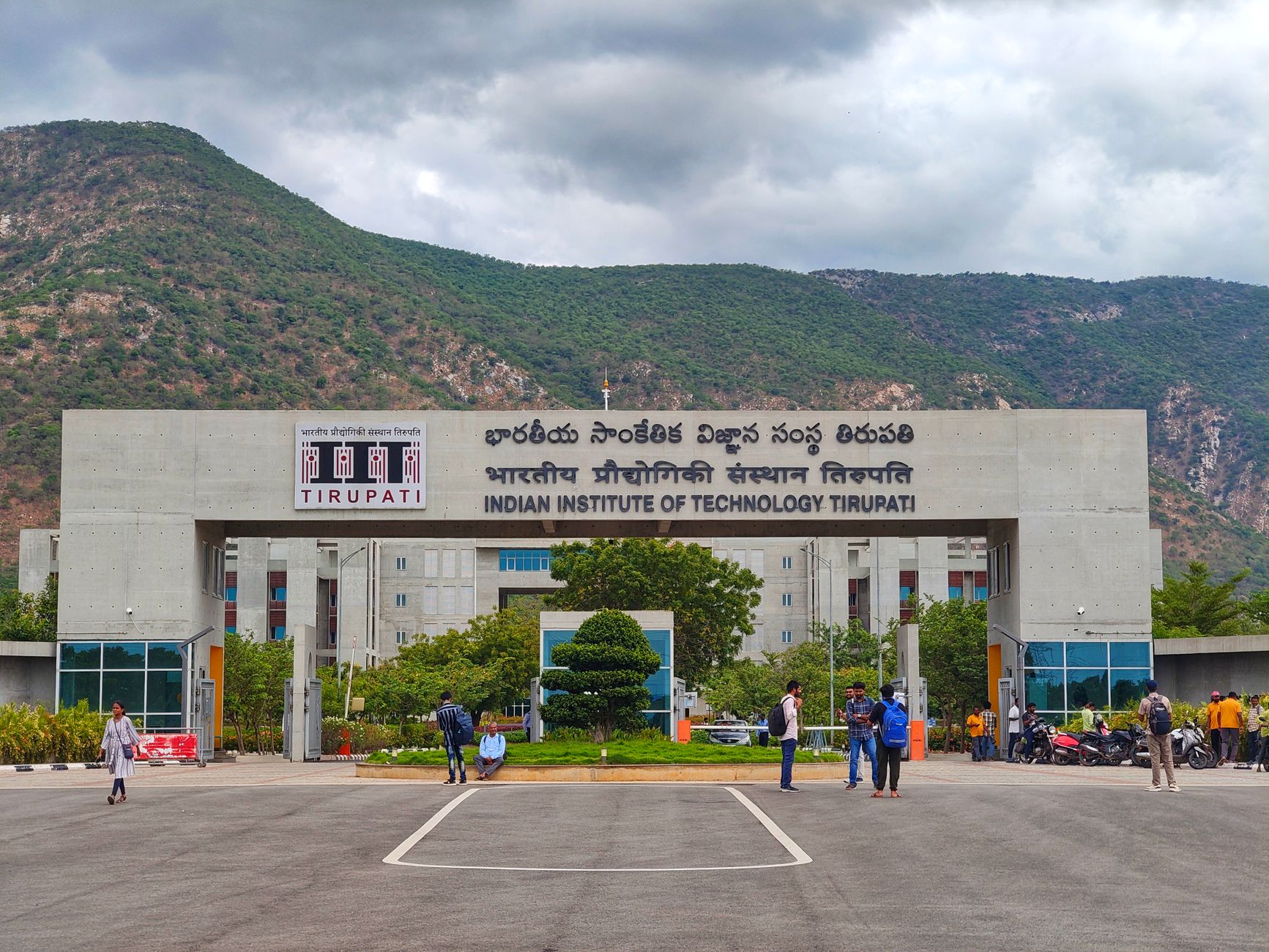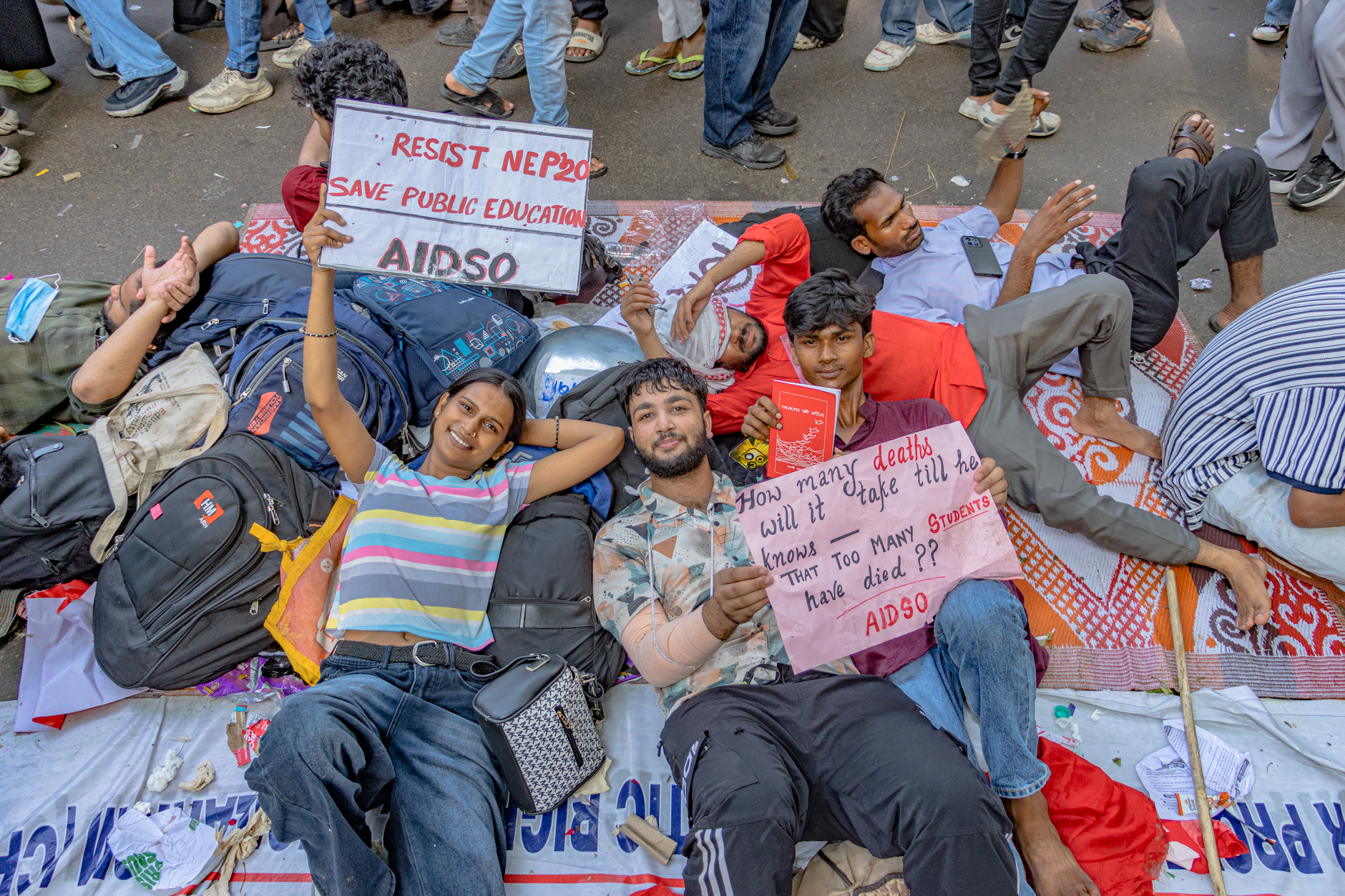
The recent suicide of a student at the Indian Institute of Technology Delhi has ignited widespread protests on campus and renewed calls for fundamental changes to India's higher education system. The incident has brought to the forefront long-standing concerns about academic pressure, mental health support, and the overall wellbeing of students at premier technical institutions.
The Immediate Crisis
Student protests following the tragedy have highlighted deep-seated frustrations within the IIT community. Demonstrators have demanded better mental health infrastructure, more accessible counselling services, and a re-evaluation of academic policies that many believe contribute to excessive stress. The incident is not isolated—several premier institutions across India have witnessed similar tragedies in recent years, pointing to systemic issues that extend beyond individual campuses.
The pressure-cooker environment at elite institutions like IITs has been a subject of concern for years. Students face intense competition, demanding coursework, and high expectations from families and society. Many enter these institutions after years of rigorous coaching for entrance examinations, already carrying significant mental fatigue.
Calls for Systemic Reform
Education experts and mental health professionals are now calling for comprehensive reforms that go beyond superficial changes. The term "overhaul" suggests the need for fundamental restructuring rather than incremental adjustments. This includes rethinking assessment methods, curriculum design, faculty-student ratios, and the overall philosophy of technical education in India.
Key Areas Requiring Attention
- Academic pressure reduction through revised evaluation systems that focus on learning rather than grades alone
- Mandatory mental health awareness programmes for students and faculty
- Increased counsellor-to-student ratios with professionally trained mental health experts
- Creation of peer support networks and mentorship programmes
- Flexible academic policies allowing students to manage course loads based on individual capacity
- Faculty training in identifying and responding to student distress signals
The Broader Context
India's education system, particularly at the higher levels, has long emphasised academic achievement and career outcomes over holistic development. The cultural stigma surrounding mental health issues compounds the problem, making students reluctant to seek help. Many students fear that acknowledging struggles might be perceived as weakness or failure.
The competitive nature of entrance examinations for premier institutions means that students are conditioned to constant high-pressure performance from their teenage years. This creates unrealistic expectations and leaves many ill-equipped to handle setbacks or academic difficulties once admitted.
International Perspectives
Leading universities globally have increasingly recognised student wellbeing as central to academic success. Many international institutions have implemented comprehensive mental health frameworks, including 24/7 crisis support, proactive outreach programmes, and policies that prioritise student welfare alongside academic rigour. Indian institutions can draw valuable lessons from these models while adapting them to local contexts.
Moving Forward
Meaningful reform requires collaboration among multiple stakeholders—institutional leadership, faculty, students, parents, and policymakers. Changes must address both immediate needs and long-term structural issues. This includes adequate funding for mental health infrastructure, policy reforms at the institutional and governmental levels, and cultural shifts in how success and failure are perceived.
The conversation sparked by this tragedy presents an opportunity for transformative change. However, reform efforts must be sustained and substantive rather than reactive measures that fade once immediate attention wanes. Students' voices, particularly those advocating for change through protests, must be central to any reform process.
The Role of Families and Society
Beyond institutional changes, broader societal attitudes toward education, career, and mental health need evolution. Families must be educated about the pressures faced by students and encouraged to provide emotional support beyond academic expectations. Society's definition of success needs expansion to include wellbeing, personal growth, and happiness alongside professional achievement.
The path forward requires acknowledging that academic excellence and student wellbeing are not mutually exclusive but rather complementary goals. Premier institutions can maintain their academic standards while creating environments where students feel supported, valued, and able to seek help without stigma.
This article is for general information purposes only and does not constitute professional mental health or educational advice. If you or someone you know is experiencing mental health distress, please contact professional counselling services or helplines such as AASRA (91-9820466726) or iCall (9152987821).