The Indian higher education landscape may be on the verge of significant restructuring as new legislative proposals introduce a centralized oversight body, raising questions about the future autonomy of prestigious institutions including the Indian Institutes of Technology. The debate centers on balancing national educational objectives with institutional independence that has long been considered crucial for academic excellence.
What the Proposed Changes Entail
The higher education bill under consideration proposes establishing a comprehensive commission designed to oversee and coordinate India's higher education sector as part of the Viksit Bharat vision for a developed India by 2047. This body would have broad regulatory and supervisory powers across universities and technical institutions, aiming to create uniform standards and streamline governance across the diverse educational landscape.
The commission would reportedly have authority over various aspects of institutional functioning, including curriculum frameworks, quality assurance mechanisms, faculty standards, and resource allocation. Proponents argue this centralized approach could eliminate inconsistencies in educational quality and ensure alignment with national development goals.
Why IITs Are Particularly Concerned
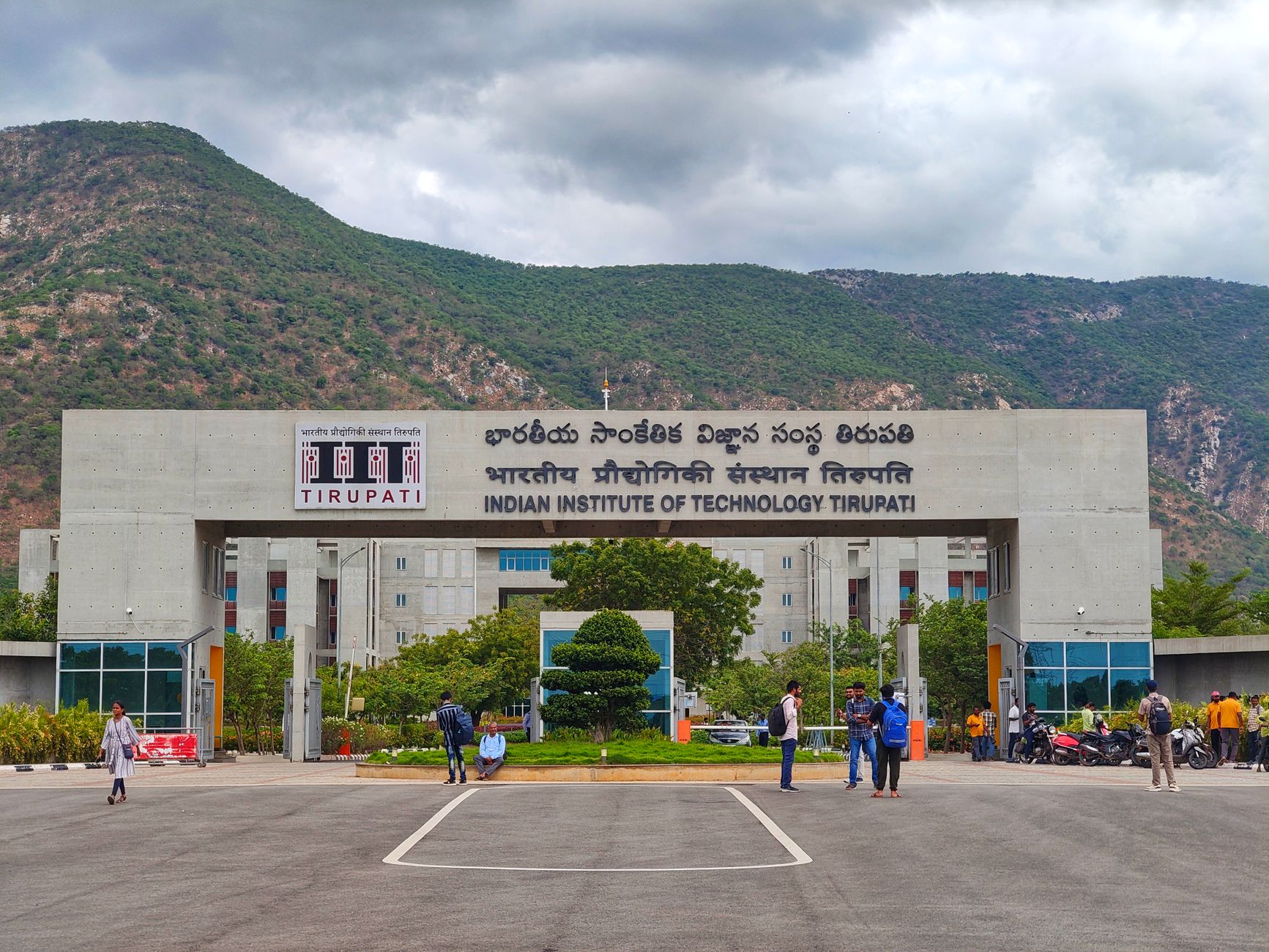
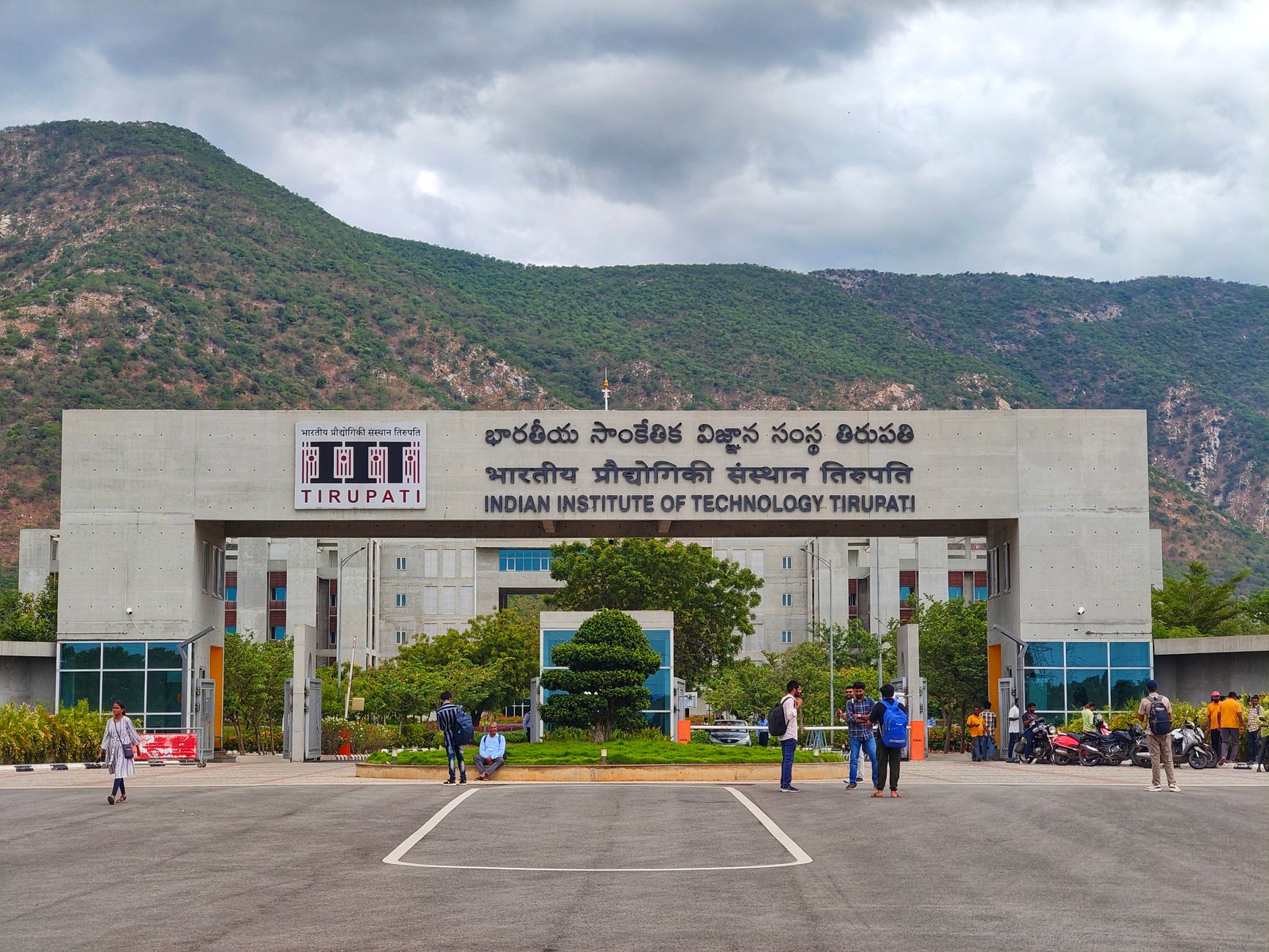
The Indian Institutes of Technology have operated with considerable autonomy since their inception, a feature many credit for their rise to global prominence. These institutions currently enjoy freedom in several critical areas:
- Setting their own academic calendars and curricula
- Establishing admission criteria beyond common entrance exams
- Managing internal finances and resource allocation
- Recruiting faculty based on institutional requirements
- Pursuing research priorities aligned with their expertise
- Forging international collaborations independently
Faculty members and administrators at premier technical institutions worry that increased oversight could slow decision-making processes and impose one-size-fits-all policies unsuitable for specialized research institutions. The concern is particularly acute regarding research priorities, where institutional autonomy has enabled IITs to pursue cutting-edge projects and maintain relevance in rapidly evolving technological fields.
The Broader Context of Educational Governance
India's higher education sector includes over 1,000 universities and 40,000 colleges serving more than 40 million students. This massive and diverse ecosystem currently operates under multiple regulatory bodies including the University Grants Commission, All India Council for Technical Education, and various professional councils.
The fragmented regulatory landscape has led to challenges in maintaining quality standards, preventing degree mills, and ensuring employability of graduates. Supporters of comprehensive reform argue that a unified commission could address these issues more effectively than the current multi-layered system.
Global Precedents and Models
Many developed nations maintain centralized quality assurance bodies while preserving institutional autonomy. The United Kingdom's Office for Students, for instance, regulates higher education while universities retain independence in academic matters. Similarly, various European countries balance national educational objectives with university autonomy through frameworks that set standards without micromanaging institutional operations.
The challenge lies in designing mechanisms that ensure accountability and quality without stifling innovation and academic freedom. Successful models typically involve clear boundaries between regulatory oversight and institutional decision-making, with consultation mechanisms that give universities voice in policy formation.
Stakeholder Perspectives
Beyond the IITs, other stakeholders have mixed reactions to the proposed changes. Some state universities welcome the prospect of clearer guidelines and potential resource support, while others fear loss of state-level control over educational institutions. Private universities express concerns about additional compliance burdens that might increase operational costs.
Student organizations and education advocacy groups emphasize the need for any reforms to prioritize learning outcomes, research output, and employability rather than administrative consolidation. Faculty associations stress the importance of protecting academic freedom and merit-based advancement within any new framework.
The Path Forward
As discussions continue, finding the appropriate balance between coordination and autonomy remains the central challenge. Effective reform might involve tiered autonomy where institutions demonstrating excellence receive greater freedom, while those needing support receive closer guidance. Clear statutory protections for academic freedom, peer-review-based quality assessment, and stakeholder consultation in commission composition could address some concerns.
The outcome of these deliberations will shape India's higher education trajectory for decades, affecting the nation's ability to produce skilled graduates, conduct world-class research, and contribute to economic development. Whether the proposed commission becomes a catalyst for positive transformation or a bureaucratic obstacle will depend largely on implementation details yet to be finalized.
This article is for general informational purposes only and represents current discussions around proposed legislation that may undergo modifications before enactment.