The Council for the Indian School Certificate Examinations (CISCE) has announced a significant shift in its educational approach for the 2026 examination cycle, making sustainability education a mandatory and integrated component across its curriculum. This decision comes at a critical juncture when India faces severe environmental challenges, symbolized powerfully by the stark assessment of the Yamuna River's ecological collapse.
From Elective to Essential
Sustainability has traditionally occupied a marginal space in Indian education, often relegated to occasional environment-themed essays or World Environment Day celebrations. The ICSE 2026 framework fundamentally alters this approach by embedding environmental consciousness across subjects rather than treating it as a standalone topic. Students will now encounter climate science in their physics lessons, biodiversity in biology, sustainable development in economics, and environmental ethics in literature and social studies.
This interdisciplinary approach ensures that sustainability becomes a lens through which students view all aspects of learning, rather than a checkbox to tick during examinations.
What the New Curriculum Includes
The updated syllabus incorporates several key components designed to create environmentally literate citizens:
- Hands-on projects requiring students to assess local environmental challenges and propose practical solutions
- Integration of traditional ecological knowledge alongside modern environmental science
- Case studies of successful sustainability initiatives from Indian and global contexts
- Critical analysis of environmental policies and their implementation gaps
- Practical skills in waste management, water conservation, and energy efficiency
- Understanding of climate change impacts specific to Indian geography and communities
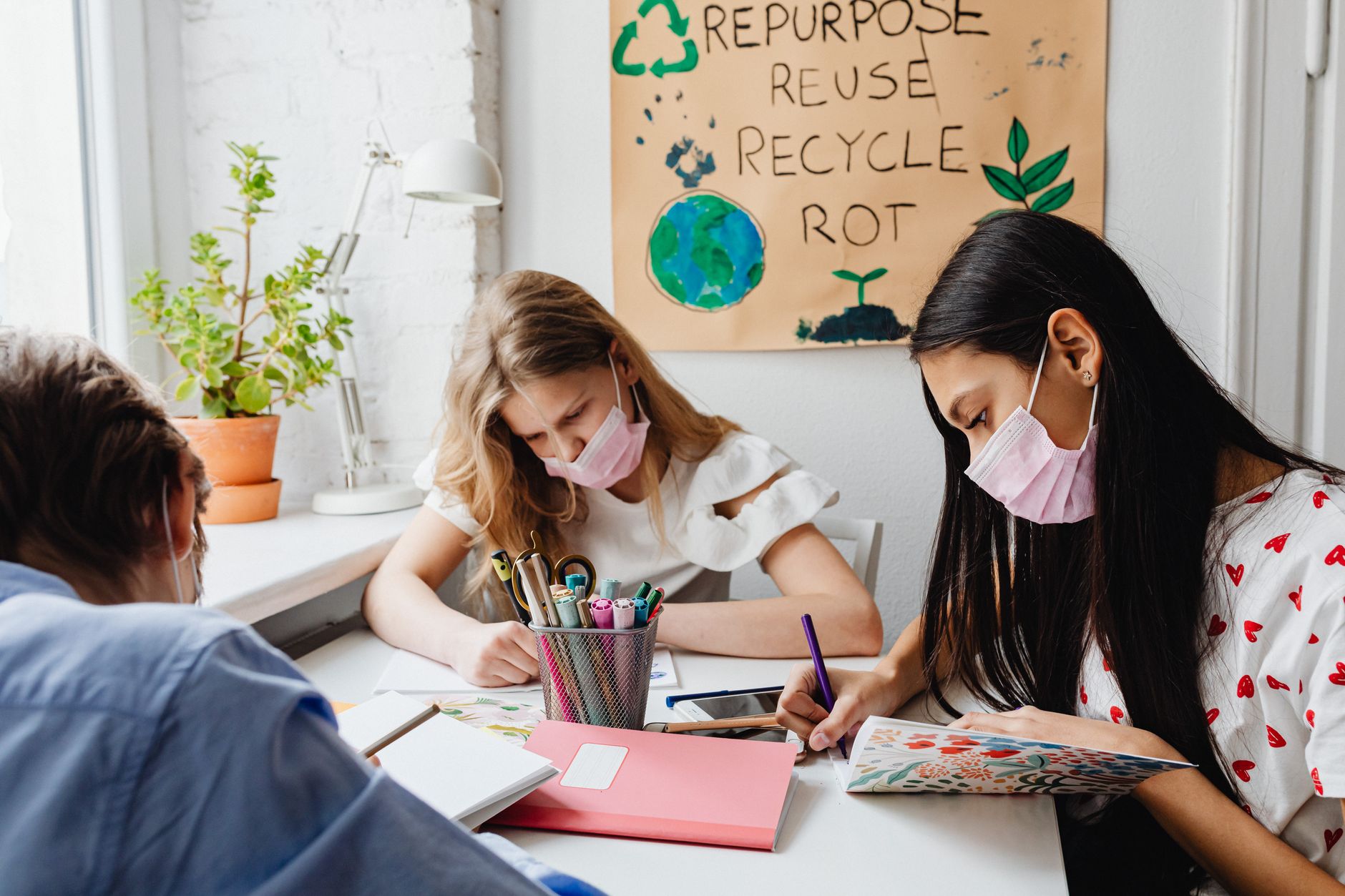
Schools affiliated with ICSE will be expected to establish sustainability clubs, conduct regular environmental audits of their campuses, and engage students in community-based ecological restoration projects.
The Yamuna Wake-Up Call
The reference to the Yamuna River's dire condition in educational discourse reflects a broader acknowledgment that India's environmental crisis demands urgent systemic response. The Yamuna, once a lifeline for millions, now serves as a cautionary tale of unchecked pollution, inadequate waste management, and the failure of fragmented policy approaches.
By incorporating such real-world environmental catastrophes into the curriculum, ICSE aims to move beyond abstract concepts to the lived reality of ecological degradation that directly impacts students' lives and futures.
Addressing the Implementation Challenge
Making sustainability education "a public practice" rather than merely a theoretical subject presents substantial challenges. Many schools, particularly in smaller towns and rural areas, lack the infrastructure, trained teachers, and resources to implement comprehensive environmental education programs effectively.
CISCE has indicated it will work with educational institutions to:
- Develop teacher training modules focused on sustainability pedagogy
- Create resource banks of local environmental case studies
- Establish partnerships with environmental organizations and experts
- Provide guidelines for low-cost, high-impact sustainability projects
- Develop assessment methods that measure practical engagement rather than rote learning
Beyond the Classroom Walls
The emphasis on making sustainability a "public practice" signals recognition that environmental education must extend beyond school boundaries. Students will be encouraged to become ambassadors of sustainable practices in their homes and communities, creating ripple effects that transform household behaviors and local environmental consciousness.
This approach aligns with India's commitments under international climate agreements and the United Nations Sustainable Development Goals, while addressing the specific environmental challenges facing Indian cities and rural areas alike.
Measuring Success
The true test of this curricular reform will be whether it produces a generation of Indians who view environmental stewardship as a personal responsibility rather than a governmental obligation. Success metrics should include not just examination scores but tangible improvements in school and community environmental practices, student-led initiatives, and long-term behavioral changes.
As climate change accelerates and environmental resources deplete, India's educational institutions face the imperative of preparing students not merely for careers but for the fundamental challenge of sustaining life on a stressed planet. The ICSE 2026 sustainability mandate represents a significant step in recognizing that environmental literacy is no longer optional but essential for meaningful citizenship in the 21st century.
This article is for general informational purposes only. Specific curriculum details and implementation guidelines should be verified with CISCE and individual schools.