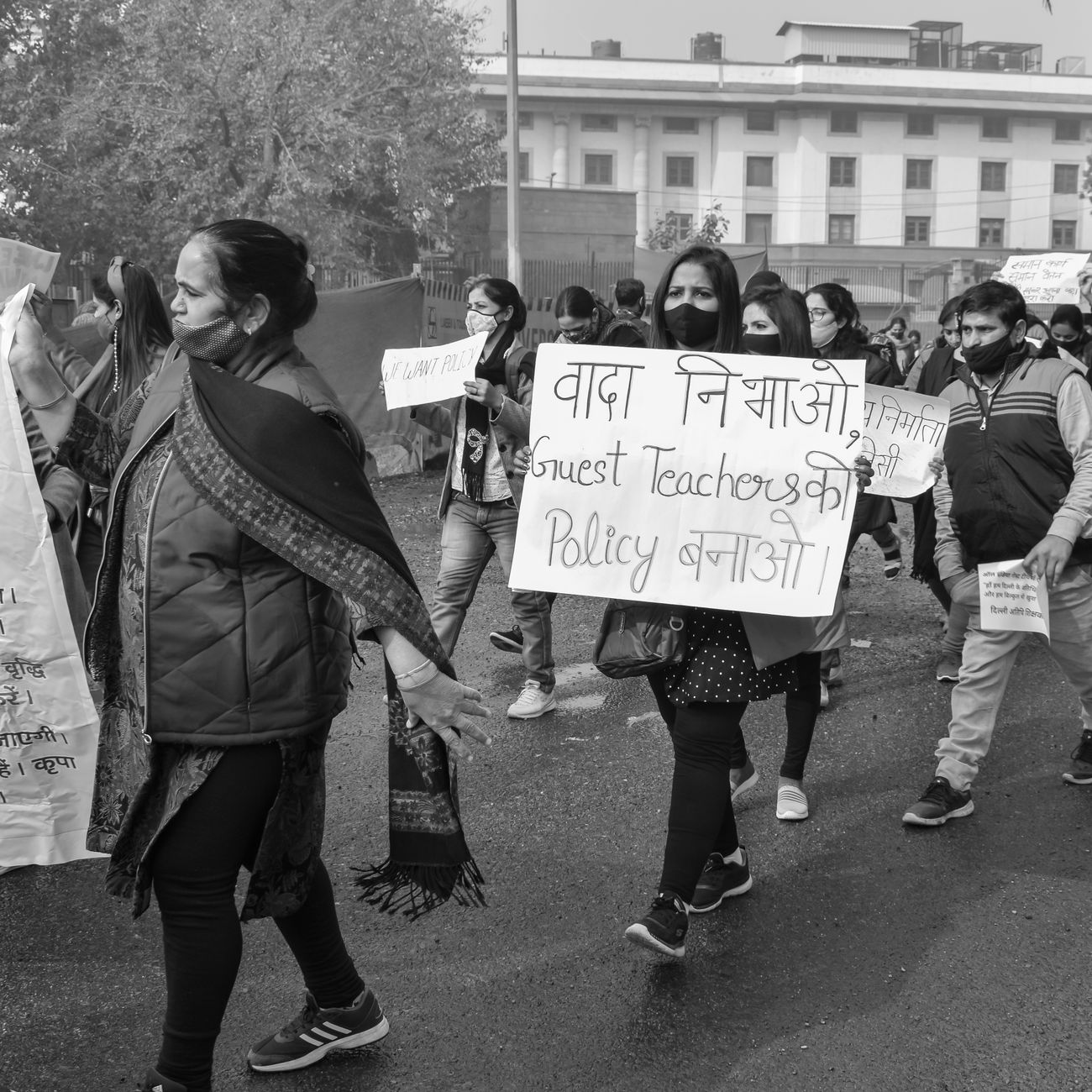
Student activism has long been a driving force in shaping India's educational policies and institutional practices. While recent headlines highlight contemporary student movements, the tradition of education-related protests in India runs deep, reflecting ongoing concerns about accessibility, affordability, quality, and inclusivity in higher education.
The Historical Context of Student Activism in India
India's student movement tradition dates back to the freedom struggle, when university campuses became breeding grounds for nationalist sentiment. Post-independence, students have consistently mobilised around education-related issues, from demanding better facilities to protesting fee increases and reservation policies. Universities like Jawaharlal Nehru University, Delhi University, and Jadavpur University have particularly strong traditions of student activism that continue to influence national discourse.
The nature of student protests has evolved over decades, moving from primarily political mobilisation to focused advocacy on specific educational grievances. Students today are better connected through technology and social media, allowing movements to gain momentum and visibility faster than ever before.
Common Triggers for Education Protests
Several recurring issues typically ignite student-led movements across Indian campuses:
- Fee hikes and commercialisation of education
- Changes to admission policies and entrance examinations
- Curriculum modifications perceived as ideologically motivated
- Cuts to scholarships and financial aid programmes
- Infrastructure deficiencies and safety concerns
- Administrative decisions made without student consultation
- Issues of campus democracy and freedom of expression
- Concerns about employment prospects and course relevance
Fee increases remain one of the most potent catalysts. When institutions raise fees substantially, particularly in public universities that have traditionally been affordable, students from economically weaker sections face potential exclusion from higher education. This strikes at the fundamental promise of educational equity enshrined in India's constitutional vision.
The Role of Student Unions
Student unions serve as the organisational backbone of campus activism. Elections to these bodies are often fiercely contested, with national political parties fielding candidates through their student wings like NSUI (Congress), ABVP (BJP), SFI (CPI-M), and others. While this politicisation has critics, it also ensures students have structured platforms to voice collective concerns.
Effective student leadership requires balancing academic responsibilities with advocacy work, negotiating with university administrations, and maintaining broad-based support among the student body. The most successful movements combine clear demands with sustained pressure through both dialogue and demonstration.
Impact on Policy and Institution-Level Changes
Student protests have achieved tangible outcomes across India's education landscape. Fee rollbacks, improved hostel facilities, changes to academic regulations, and greater student representation in decision-making bodies have all resulted from sustained student pressure. Some movements have sparked national conversations leading to policy reviews at state and central government levels.
However, outcomes vary significantly based on institutional responsiveness, media coverage, and the political climate. Some administrations engage constructively with student demands, while others respond with disciplinary action or police intervention, occasionally escalating tensions rather than resolving them.
Challenges Facing Student Activists
Student activists today navigate several challenges. Academic pressures and career concerns can limit participation, particularly as competitive job markets make students risk-averse about activism that might affect their academic records. Administrative responses ranging from disciplinary action to suspension create genuine risks for protest leaders.
Digital activism, while amplifying reach, sometimes creates echo chambers where movements gain online visibility without translating to on-ground change. Maintaining momentum beyond initial protests requires organisational capacity and resources that student groups often lack.
The Broader Significance
Student-led education movements serve important functions beyond their immediate demands. They represent a form of democratic participation where young citizens engage with institutions, demand accountability, and exercise their constitutional rights. These movements often introduce students to civic engagement that shapes their later involvement in social and political issues.
Furthermore, education protests highlight systemic challenges in India's higher education sector—underfunding, infrastructure gaps, the tension between massification and quality, and debates about educational philosophy and autonomy. Student voices bring urgency to these otherwise abstract policy discussions.
The tradition of student activism in Indian education reflects both the sector's ongoing challenges and students' persistent belief in education as a transformative right worth fighting for. As India's education system continues evolving amid demographic pressures and globalisation, student movements will likely remain vital agents demanding that institutions serve their fundamental purpose: providing accessible, quality education to all.