India's performance at international sporting events has long sparked conversations about what the country needs to do differently to consistently produce world-class athletes. While occasional triumphs bring joy, the reality remains that India's medal tallies often fall short of expectations for a nation of 1.4 billion people. The answer increasingly points toward a fundamental restructuring of how sports are taught and integrated into the education system.
The Current State of Sports in Indian Schools
In most Indian schools, sports remain an afterthought rather than a priority. Physical education classes are frequently sacrificed for academic subjects, especially as students progress to higher grades. The prevailing mindset treats sports as extracurricular activity or recreation rather than a legitimate educational pursuit. This approach starkly contrasts with countries that dominate international sporting events, where sports education is systematically embedded throughout schooling.
Many institutions lack proper sporting infrastructure, trained coaches, or even basic equipment. Where sports facilities exist, they often benefit only students who already show promise, leaving the majority without structured exposure to athletic development. This creates a narrow funnel where potential talent goes unidentified and undeveloped.
Why Sports Education Matters Beyond Medals
Sports education encompasses far more than producing Olympic champions. It develops discipline, teamwork, resilience, time management, and leadership skills that translate across all life domains. Students who engage in regular structured sports demonstrate improved academic performance, better mental health outcomes, and enhanced social skills.
For India specifically, sports education addresses several pressing concerns. Rising childhood obesity rates, increasing screen time, and sedentary lifestyles threaten public health. Systematic sports education provides preventive intervention while building lifelong healthy habits. Additionally, it offers alternative career pathways for students whose strengths lie outside traditional academic streams.
Building Blocks of Effective Sports Education
A comprehensive sports education framework requires several foundational elements working in concert.
Qualified Physical Education Teachers
Every school needs trained physical education professionals who understand child development, sports science, and age-appropriate training methodologies. These educators should possess formal qualifications equivalent to teachers of academic subjects and receive comparable respect and remuneration. Currently, many schools assign sports duties to staff without specialized training.
Infrastructure Investment
Adequate sporting facilities cannot be optional extras. Schools need multi-purpose playing fields, indoor sports halls, basic equipment, and maintenance budgets. This doesn't necessarily mean Olympic-standard facilities but rather functional spaces where students can safely learn and practice various sports.
Curriculum Integration
Sports education must appear in curricula with dedicated time allocations that cannot be diverted. This includes theoretical knowledge about fitness, nutrition, sports psychology, and injury prevention alongside practical training. Assessment systems should value sporting achievement and participation, not just academic scores.
Multi-Sport Exposure
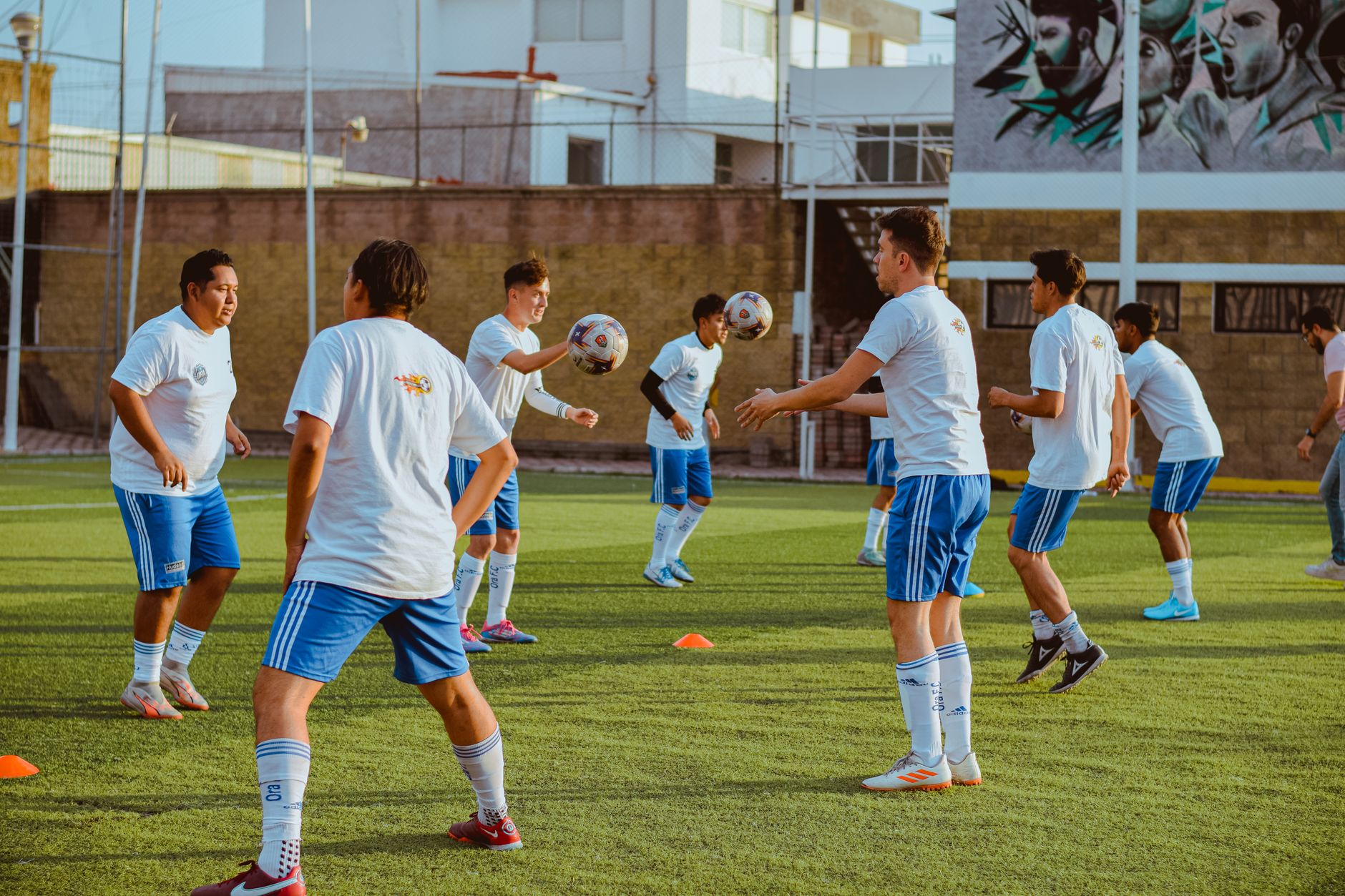
Rather than focusing narrowly on cricket or one popular sport, children should experience diverse athletic activities. Early specialization often leads to burnout and overuse injuries. Broad exposure helps students discover their natural aptitudes and interests while developing varied physical competencies.
Talent Identification and Pathways
Systematic sports education creates natural talent identification mechanisms. Schools become feeder systems for district, state, and national programs. Clear pathways should exist for talented athletes to receive advanced training without abandoning education entirely. This requires coordination between educational institutions and sports federations.
The Financial Reality
Implementing comprehensive sports education requires significant investment, which many schools and state governments claim they cannot afford. However, the costs of inaction—healthcare expenses from sedentary lifestyles, lost economic productivity, and continued international sporting underperformance—arguably exceed the investment required.
Public-private partnerships, corporate social responsibility initiatives, and international collaborations offer funding alternatives. Several states have begun experimental programs showing that with political will and creative financing, transformation is possible.
Learning From Success Stories
Countries like Australia, Germany, and South Korea offer instructive models where sports education receives priority comparable to academics. Their systems demonstrate that athletic excellence and academic achievement aren't mutually exclusive but mutually reinforcing. China's sports school system, despite controversies, shows how systematic talent development produces results.
Within India, certain private schools and specialized sports academies have proven that when resources and expertise combine effectively, Indian athletes can excel internationally. The challenge lies in democratizing these opportunities beyond elite institutions.
The Road Ahead
Transforming India's approach to sports education requires coordinated efforts from policymakers, educators, parents, and sports administrators. It demands cultural shifts in how society values athletic achievement and physical education. Most importantly, it requires recognizing that developing well-rounded individuals who happen to include world-class athletes begins with every child receiving quality sports education as their fundamental right.