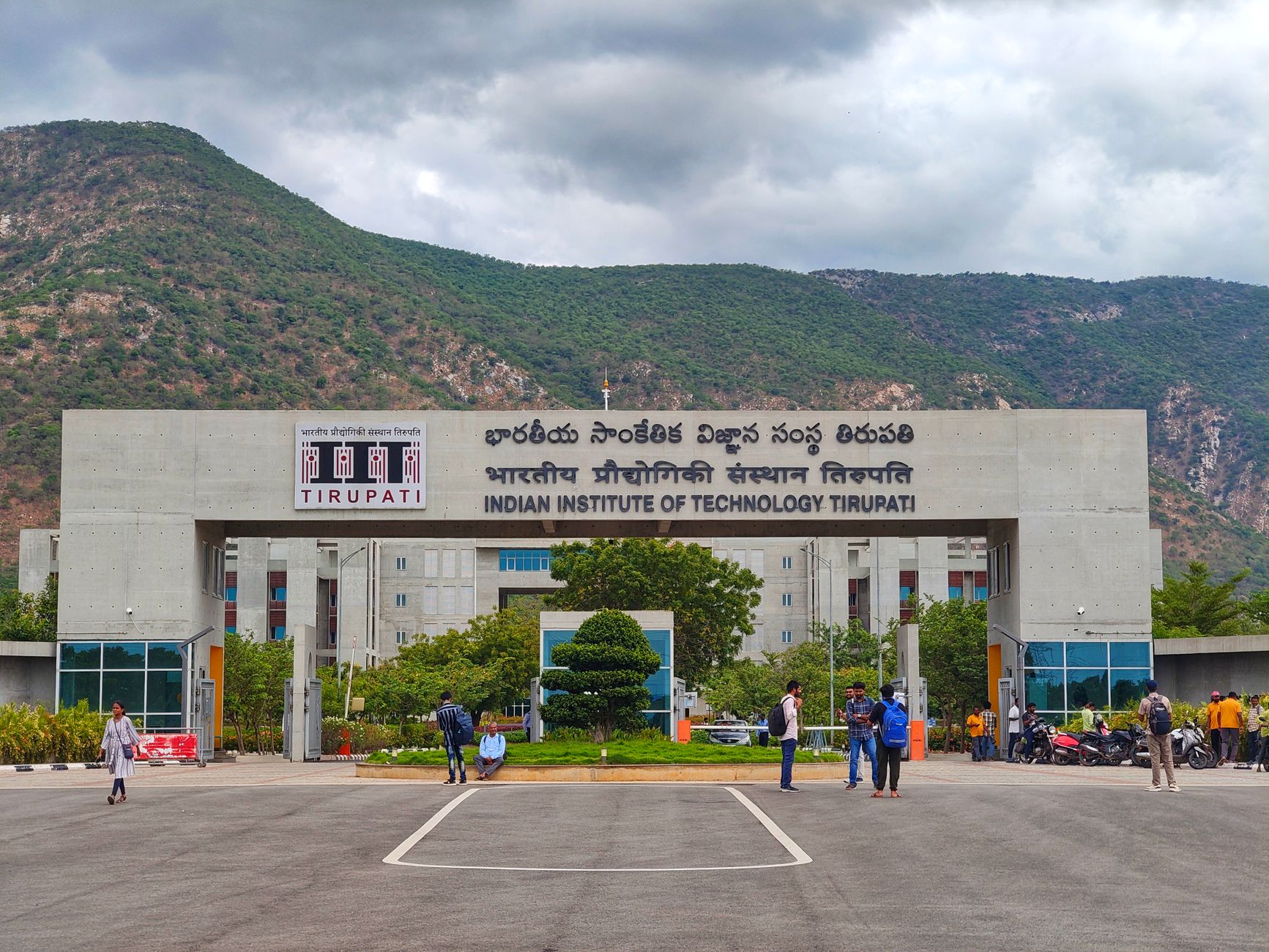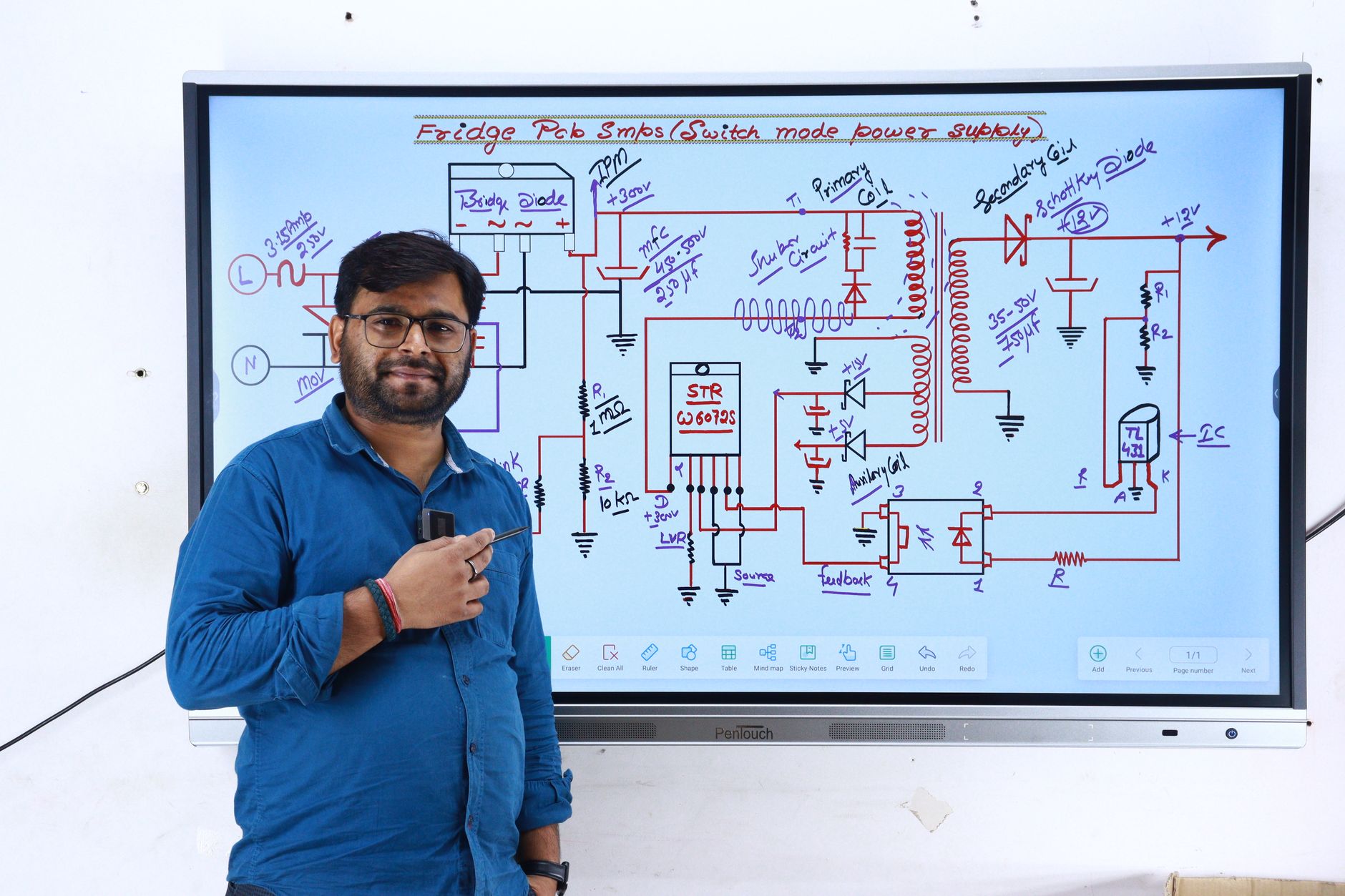
India has earned the moniker "exam nation" through decades of a highly competitive, test-driven education system. Every year, millions of students across the country prepare for entrance examinations that serve as gateways to prestigious institutions, professional courses, and ultimately, career success. Yet beneath the surface of this seemingly meritocratic system lies a complex reality where examinations both create opportunities and perpetuate inequalities.
The Promise of Meritocracy
Competitive entrance examinations were designed with a noble purpose: to create a level playing field where talent, not privilege, determines success. Tests like the Joint Entrance Examination (JEE) for engineering, the National Eligibility cum Entrance Test (NEET) for medical courses, and the Union Public Service Commission (UPSC) examinations for civil services theoretically allow any student, regardless of background, to access elite institutions and careers.
This meritocratic ideal holds powerful appeal in a diverse society with historical hierarchies. Examinations promise objective assessment, free from bias based on caste, religion, gender, or family connections. Success stories of students from small towns and disadvantaged backgrounds cracking these exams fuel the national imagination and reinforce faith in the system.
The Reality of Unequal Preparation
However, the actual playing field is far from level. Success in high-stakes examinations increasingly depends on access to resources that remain unevenly distributed across Indian society. The coaching industry, centred in cities like Kota, Delhi, and Hyderabad, has become virtually indispensable for exam success, with some institutes charging fees that exceed the annual income of many Indian families.
Students from well-off urban families enjoy multiple advantages: access to quality schooling, private tutoring, coaching classes, study materials, and the financial security to focus entirely on preparation without worrying about family income. They can afford multiple attempts and the psychological comfort that comes with having backup options.
In contrast, first-generation learners from rural areas or economically weaker sections face compounded disadvantages. Many attend under-resourced government schools where teachers themselves may lack training in competitive exam patterns. The language barrier presents another hurdle, as most premier coaching and study materials are in English, while a majority of Indian students are educated in regional languages.
Regional and Social Disparities
Geographic location significantly impacts exam outcomes. Students from states with better educational infrastructure and awareness about competitive exams consistently perform better. The concentration of top rankers from a handful of states and cities reflects systemic inequalities in educational access rather than inherent differences in talent.
Social identity continues to play a role despite reservation policies meant to level the field. While affirmative action has expanded access for Scheduled Castes, Scheduled Tribes, and Other Backward Classes, students from these communities often face discrimination, lack of social capital, and inadequate preparation that reservations alone cannot address. Meanwhile, debates about reservation percentages frequently obscure conversations about improving the overall quality and reach of education.
The Psychological Toll
The intense pressure of exam culture takes a severe psychological toll. Student suicides around examination periods, particularly in coaching hubs, highlight the dark side of this system. The narrative that a single exam determines one's entire future creates crushing pressure, especially on teenagers. Mental health support remains inadequate in most educational institutions, and seeking help carries stigma.
Parents, too, invest enormous emotional and financial resources, sometimes staking family savings and reputation on their children's exam performance. This pressure cooker environment often prioritizes rote learning and test-taking strategies over genuine understanding, curiosity, or holistic development.
Reforming the Exam Ecosystem
Addressing these inequalities requires systemic reform rather than minor adjustments. Potential solutions include:
- Strengthening public education to reduce dependence on private coaching
- Creating more high-quality institutions to reduce competition ratios
- Implementing holistic assessment methods beyond single high-stakes exams
- Providing substantial financial and academic support to disadvantaged students
- Ensuring exam content and language accessibility for diverse student populations
- Expanding digital infrastructure to democratize access to quality learning resources
- Regulating the coaching industry to prevent exploitation
Moving Forward
India's exam system reflects broader societal tensions between aspiration and reality, meritocracy and privilege. While examinations remain necessary for selecting candidates for limited seats, acknowledging their limitations is crucial. True educational equity requires not just fair tests, but fair access to the preparation, resources, and support systems that make success possible.
The challenge lies in creating an education system that opens doors rather than merely sorting students, that recognizes multiple forms of excellence, and that provides genuine opportunity regardless of one's starting point in life. Until then, examinations will continue to regulate opportunity in ways that often mirror and magnify existing inequalities.