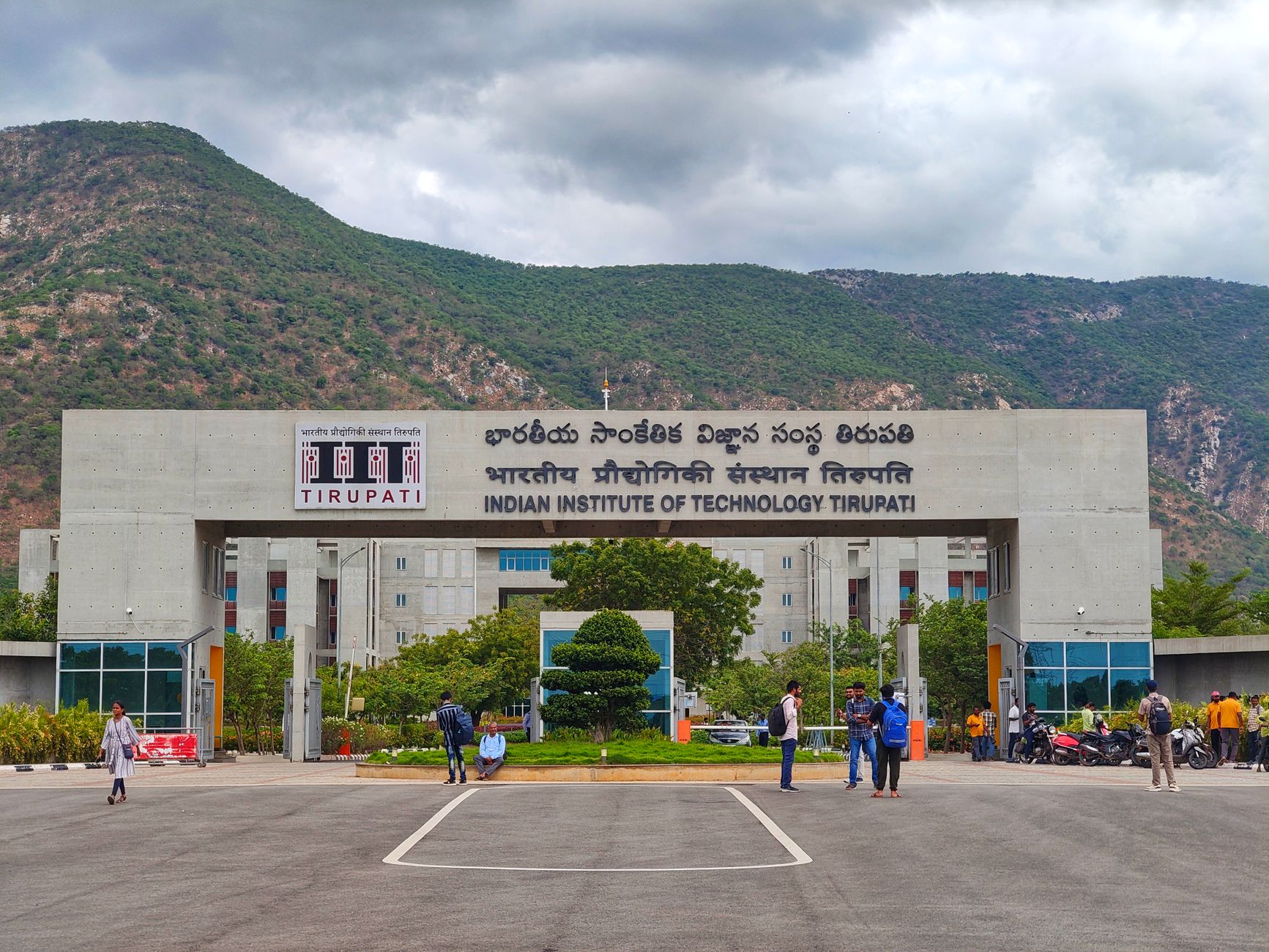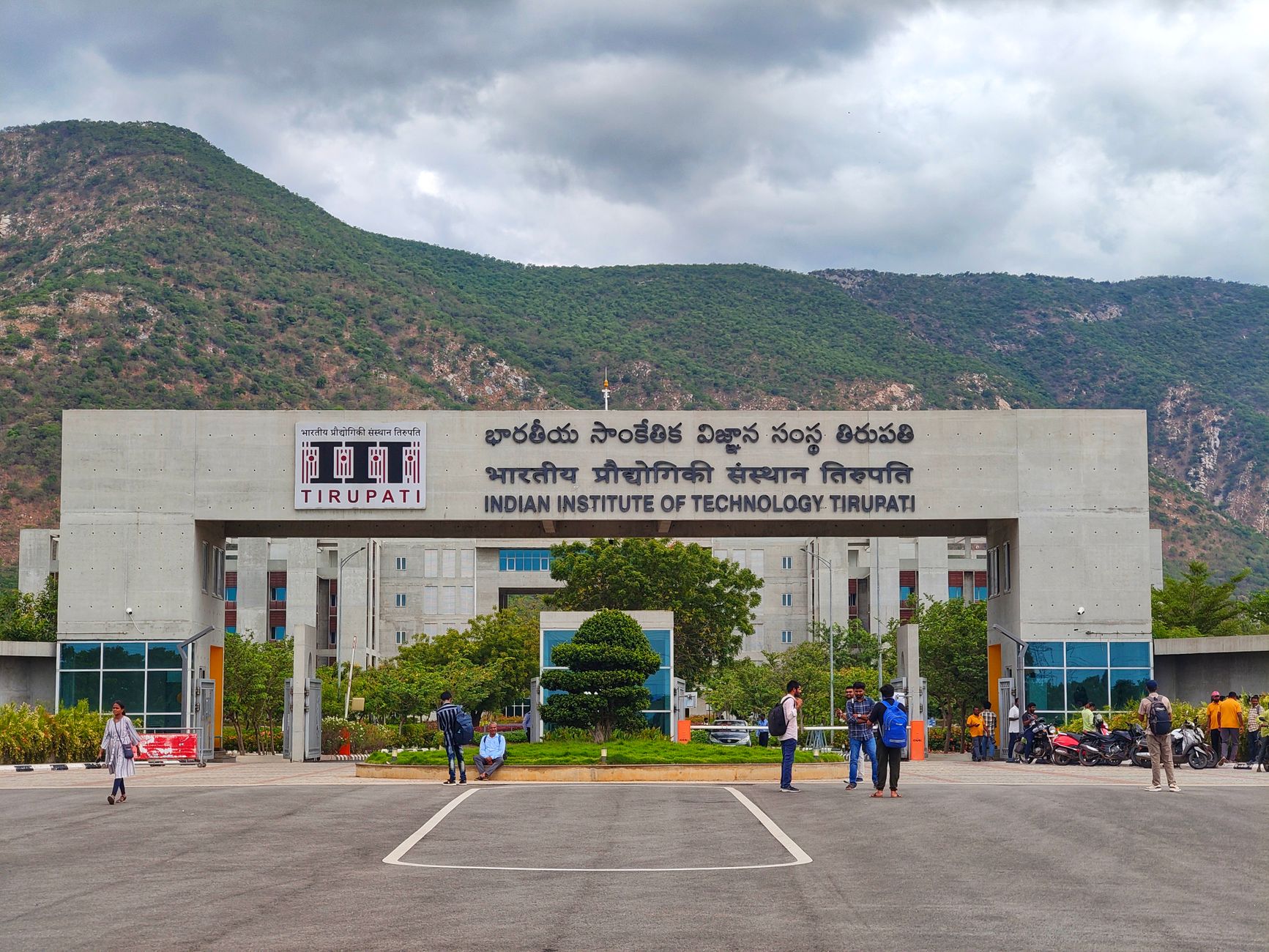
India's premier engineering institutes are grappling with a fundamental challenge that extends far beyond their campuses: artificial intelligence tools have made conventional assignments largely meaningless. The observation from IIT Kanpur's leadership reflects a watershed moment in education, where the very foundations of academic assessment are being questioned.
The End of Traditional Assignments
For decades, assignments have served as a cornerstone of education, allowing students to demonstrate understanding, apply concepts, and develop critical thinking. However, the proliferation of sophisticated AI tools like ChatGPT, Claude, and specialized academic assistants has fundamentally altered this equation. Students can now generate essays, solve complex problems, write code, and create presentations with minimal effort, making it nearly impossible for educators to distinguish genuine student work from AI-generated content.
The implications are particularly significant for prestigious institutions like the Indian Institutes of Technology, which have built their reputation on rigorous academic standards and producing graduates capable of tackling complex technical challenges. When assignments can be completed by AI in seconds, the traditional metrics for measuring student learning become unreliable.
Why IITs Are Leading the Conversation
The IITs occupy a unique position in Indian education as institutions that have consistently set benchmarks for academic excellence. Their response to the AI challenge will likely influence educational policy across thousands of colleges and universities nationwide. The recognition from IIT Kanpur's leadership that assignments are becoming obsolete signals an urgent need for systemic change rather than superficial adjustments.
This acknowledgment also reflects a broader truth: attempting to ban or restrict AI usage is neither practical nor beneficial. Students will use these tools regardless of institutional policies, and the real world they enter after graduation will expect them to leverage AI effectively.
Emerging Alternatives to Traditional Assessment
Educational institutions worldwide are experimenting with new evaluation methods that remain relevant in an AI-enabled environment:
- In-person examinations and vivas that test understanding rather than memorization
- Project-based assessments requiring students to demonstrate practical application and innovation
- Collaborative assignments where the process and teamwork are evaluated alongside outcomes
- Real-time problem-solving sessions where students must explain their reasoning
- Portfolios documenting learning journeys and reflective thinking
- Industry partnerships providing authentic challenges that require human judgment and creativity
Rethinking Educational Objectives
The AI revolution forces educators to confront fundamental questions about the purpose of education. If information retrieval and routine problem-solving can be automated, what should students actually learn? The focus is shifting toward uniquely human capabilities:
Skills like critical thinking, ethical reasoning, creative innovation, emotional intelligence, and the ability to ask the right questions become paramount. Rather than teaching students to perform tasks that AI can handle, education must develop capacities that complement artificial intelligence.
The Opportunity in Disruption
While the challenge is significant, this disruption presents an opportunity to address long-standing weaknesses in educational systems. Traditional assignments often emphasized rote learning and formulaic responses rather than genuine understanding. The AI revolution could accelerate the shift toward more meaningful, engaging educational experiences.
Students could spend less time on routine exercises and more time on creative exploration, interdisciplinary projects, and real-world problem-solving. Educators could focus on mentorship, facilitating discussions, and helping students develop judgment rather than grading countless similar assignments.
Implementation Challenges
Transforming education at scale presents significant obstacles. Faculty members need training in new pedagogical approaches and assessment methods. Class sizes at many institutions make personalized evaluation difficult. Infrastructure limitations may hinder implementation of technology-dependent solutions. Moreover, regulatory frameworks and accreditation standards often mandate traditional assessment patterns.
The transition requires institutional commitment, resource allocation, and patience as new methods are tested and refined.
Preparing Students for an AI-Integrated Future
Perhaps the most important shift is acknowledging that students will work alongside AI throughout their careers. Education should prepare them to use these tools effectively, understand their limitations, and maintain human oversight. This includes developing AI literacy, understanding algorithmic bias, and recognizing when human judgment supersedes automated recommendations.
The conversation initiated by IIT leadership represents a crucial step toward reimagining education for the AI era. Rather than viewing artificial intelligence as a threat to academic integrity, forward-thinking institutions recognize it as a catalyst for overdue transformation in teaching and learning methodologies.