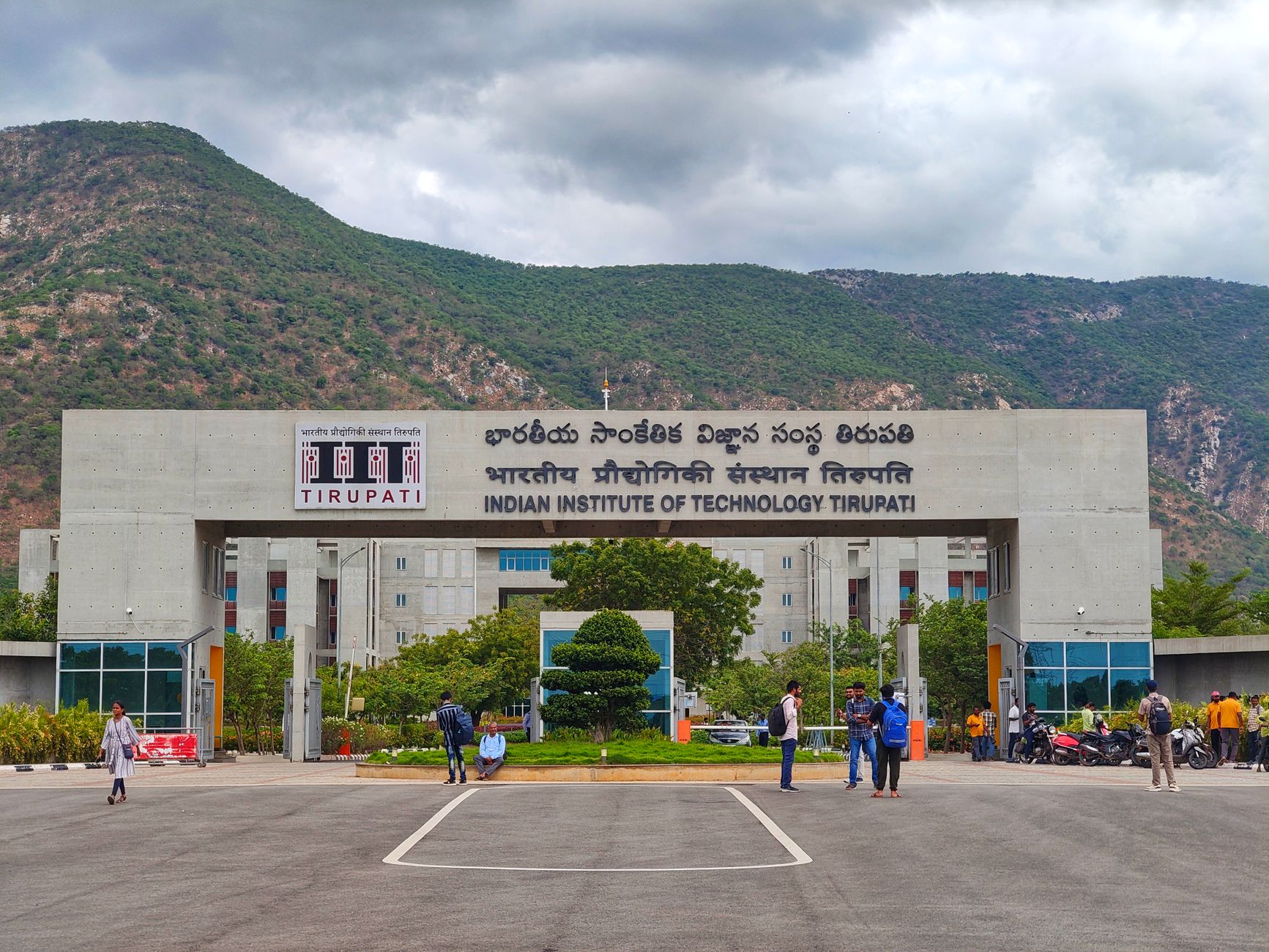
The Indian education system is undergoing a dramatic transformation as artificial intelligence and smart classroom technologies reshape how students learn and teachers instruct. From metropolitan schools to government institutions in rural districts, digital tools are bridging educational gaps and creating more engaging learning experiences.
The Rise of Smart Classrooms Across India
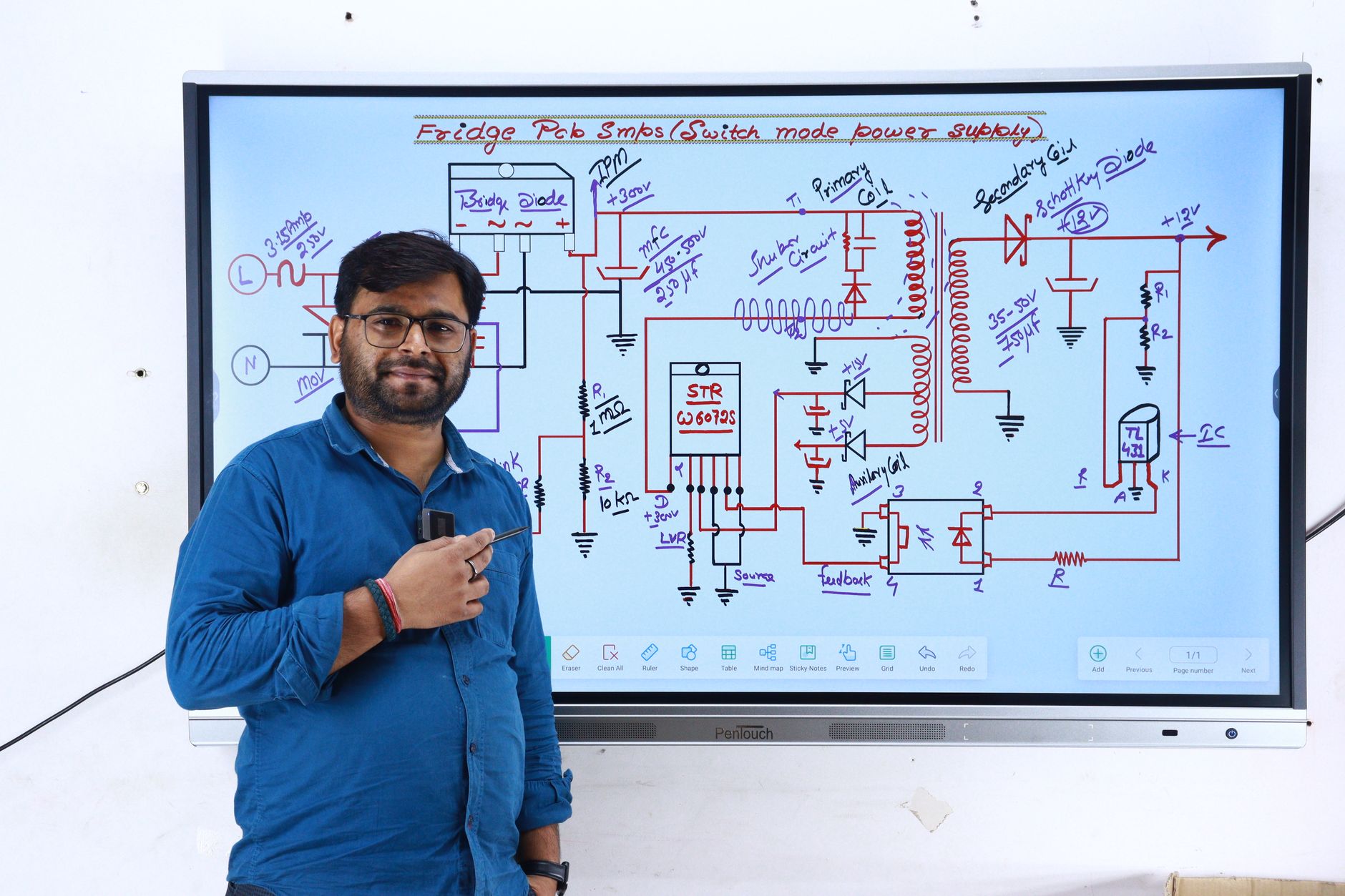
Smart classrooms have evolved far beyond traditional teaching methods, integrating interactive whiteboards, tablets, projectors, and internet connectivity to create immersive learning environments. These technology-enabled spaces allow teachers to present complex concepts through animations, videos, and 3D models that make abstract ideas more tangible for students.
Government initiatives such as the Digital India campaign and various state-level programmes have accelerated the adoption of smart classrooms, particularly in public schools. Thousands of schools across states like Maharashtra, Karnataka, Tamil Nadu, and Uttar Pradesh have installed digital infrastructure, bringing quality educational content to students who previously had limited access to resources.
AI-Powered Personalised Learning
Artificial intelligence is enabling personalised education at an unprecedented scale. AI-driven platforms can assess individual student performance, identify knowledge gaps, and adapt content delivery to match each learner's pace and style. This personalisation ensures that students who need additional support receive targeted interventions, while advanced learners can progress without waiting for the entire class.
Intelligent tutoring systems are now available that provide instant feedback on assignments, answer student queries round the clock, and offer practice problems tailored to specific weaknesses. These systems analyse thousands of data points about student behaviour and performance to continuously refine their teaching approach.
Language Barriers Being Overcome
One of India's greatest educational challenges has been linguistic diversity, with students speaking hundreds of different languages. AI-powered translation and voice recognition technologies are breaking down these barriers by delivering content in regional languages and even translating lessons in real-time.
Speech-to-text and text-to-speech capabilities help students with different learning abilities access the same quality content. This technology is particularly transformative for students with disabilities, creating more inclusive educational environments.
Teacher Empowerment and Efficiency
Contrary to fears that technology might replace educators, AI and smart classrooms are actually empowering teachers by automating administrative tasks. AI systems can handle routine activities such as attendance tracking, grading objective assessments, and generating performance reports, freeing teachers to focus on creative lesson planning and one-on-one student interaction.
Professional development has also improved as teachers access online training modules, collaborate with educators nationwide through digital platforms, and learn to integrate technology effectively into their pedagogy.
Challenges and Digital Divide Concerns
Despite rapid progress, significant challenges remain. The digital divide between urban and rural areas, between private and government schools, and between different socioeconomic groups continues to create unequal access to these technologies.
Infrastructure limitations present obstacles in many regions:
- Unreliable electricity supply in rural areas
- Limited or no internet connectivity
- Insufficient devices for all students
- Lack of technical support and maintenance
- Teacher training gaps in technology use
- High initial investment costs for schools
Impact on Learning Outcomes
Early evidence suggests that technology integration is improving learning outcomes where implemented effectively. Students show increased engagement, better retention of concepts, and improved performance in standardised assessments. Interactive content makes subjects like science and mathematics more approachable, reducing the fear factor that often surrounds these disciplines.
AI-based assessment tools provide detailed analytics about class performance, helping school administrators make data-driven decisions about curriculum design and resource allocation.
The Road Ahead
The future of Indian education will likely see deeper integration of emerging technologies including virtual reality for immersive experiences, blockchain for secure credential verification, and advanced AI for even more sophisticated personalisation. Hybrid learning models combining traditional classroom teaching with digital tools are becoming the norm rather than the exception.
Government policy support, increased private sector investment in edtech, and growing digital literacy among students and teachers are creating favourable conditions for continued transformation. As 5G networks expand and device costs decrease, access to smart learning will become more democratised.
The key to success lies in ensuring technology serves as an enabler of good pedagogy rather than a replacement for thoughtful teaching. When implemented with proper teacher training, adequate infrastructure, and inclusive design, AI and smart classrooms have immense potential to elevate the quality and reach of education across India's vast and diverse student population.