Government schools have long been the backbone of India's education system, serving millions of children from economically disadvantaged backgrounds. Recent trends showing significant closures of these institutions have sparked widespread concern among educators, policymakers, and parents about the future of accessible education in the country.
The Scale of School Closures
Over the past decade, thousands of government schools across India have shut down, with many states reporting a declining number of functional public educational institutions. The closures have been particularly pronounced in rural and remote areas, where government schools often represent the only accessible option for quality education. Various factors contribute to this trend, including falling student enrollment, shortage of teaching staff, inadequate infrastructure, and policy decisions aimed at consolidating schools.
Primary Reasons Behind Closures
Several interconnected factors drive the closure of government schools. Declining birth rates in certain regions have led to reduced student enrollment, making some schools economically unviable. Migration from rural to urban areas has left many village schools with insufficient student numbers to justify continued operation. Additionally, poor infrastructure, lack of basic amenities like toilets and drinking water, and teacher vacancies have made some institutions practically non-functional.
Budget constraints and administrative efficiency drives have also played a role, with authorities sometimes opting to merge smaller schools into larger institutions to optimize resource allocation.
Impact on Access to Education
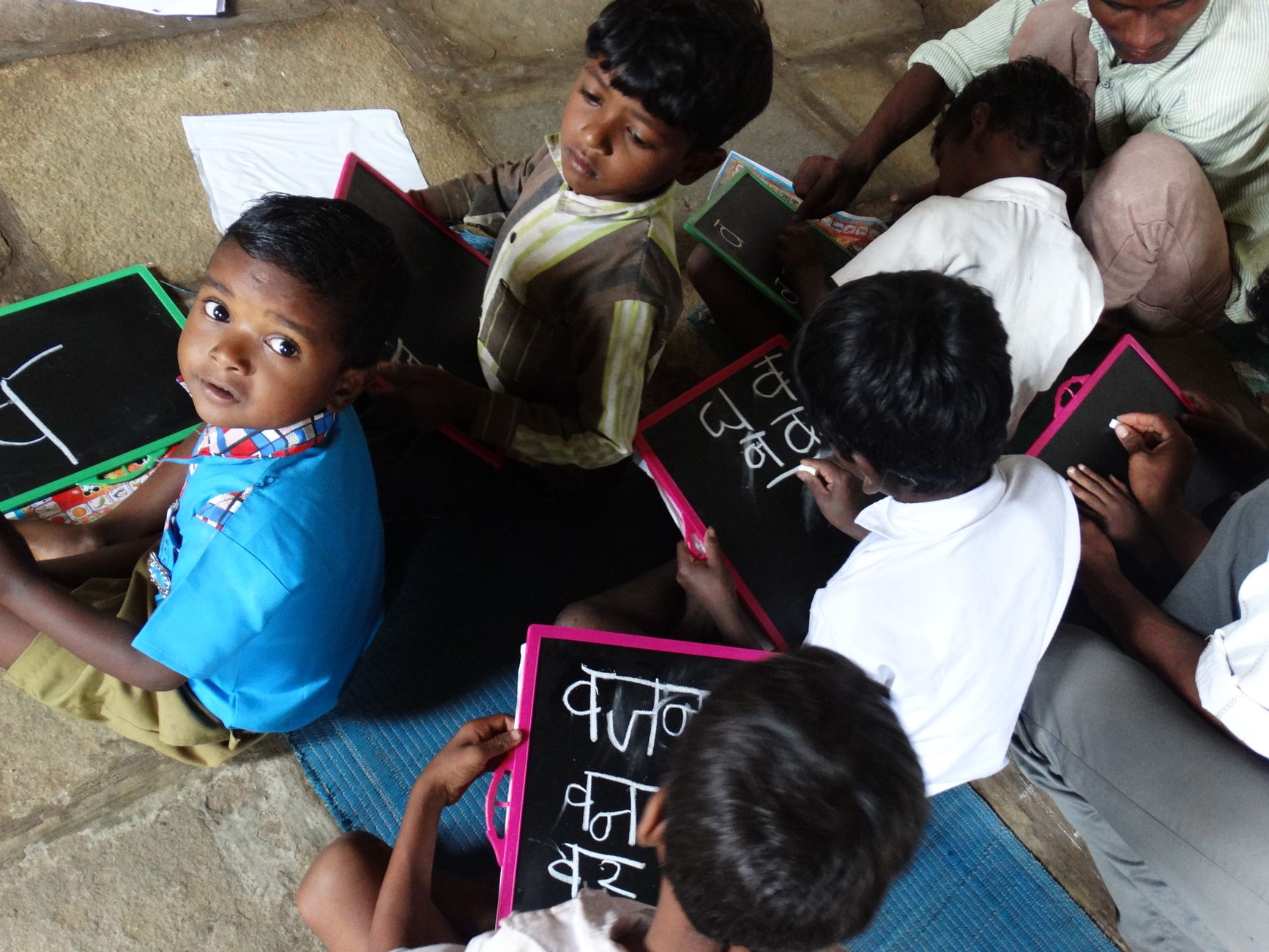
The closure of government schools creates immediate and severe consequences for educational access, particularly for children from marginalized communities. When a local school closes, students often face significantly longer commutes to reach the nearest alternative institution. For many families, especially in rural areas, the increased distance becomes an insurmountable barrier, leading to increased dropout rates.
Girls are disproportionately affected by school closures, as safety concerns and cultural norms often prevent families from sending daughters to distant schools. This reverses years of progress in improving female literacy and educational participation.
Quality Concerns and Alternative Options
School closures often result in larger class sizes at remaining institutions, potentially compromising the quality of education. When multiple schools merge, the student-teacher ratio deteriorates, making individual attention difficult. Infrastructure at receiving schools may become strained, lacking sufficient classrooms, learning materials, and facilities to accommodate the influx of students.
Some families turn to private schools as alternatives, but this option remains financially prohibitive for the majority of households that traditionally rely on government education. The shift effectively creates a two-tier education system where quality learning becomes increasingly dependent on economic status.
Economic and Social Implications
Beyond immediate educational impact, school closures carry broader socioeconomic consequences. Government schools serve as community anchors in rural areas, often functioning as centers for adult literacy programs, community meetings, and awareness campaigns. Their closure diminishes social infrastructure in already underserved regions.
The mid-day meal scheme, implemented through government schools, provides crucial nutritional support to millions of children. School closures eliminate this benefit, potentially affecting child health and development. For many children from food-insecure households, the mid-day meal serves as a primary incentive for regular school attendance.
The Digital Divide Challenge
The COVID-19 pandemic accelerated certain school consolidation trends while highlighting the digital divide. Some closures were justified by citing the availability of online learning alternatives. However, this reasoning overlooks the reality that many students from government schools lack access to smartphones, computers, or reliable internet connectivity necessary for digital education.
Policy Responses and Future Outlook
Addressing the school closure crisis requires multifaceted policy interventions. Several states have begun implementing measures to strengthen government schools rather than closing them, focusing on infrastructure improvement, teacher recruitment, and quality enhancement programs. Community participation in school management through bodies like School Management Committees can help identify and address local challenges before they lead to closures.
Some education experts advocate for flexible schooling models that can serve smaller student populations efficiently, including multi-grade teaching approaches and hub-and-spoke systems that maintain access points while optimizing resources.
The government school closure trend represents a critical juncture for India's education system. Ensuring that every child has access to quality education regardless of geography or economic status remains fundamental to the country's development goals and constitutional commitments. Balancing administrative efficiency with educational access requires careful policy design that prioritizes the needs of the most vulnerable students.