The dream of studying abroad, long considered a rite of passage for ambitious Indian students, is losing its shine among Generation Z. Recent survey findings reveal that 48 percent of Indian Gen Z students are now having second thoughts about pursuing overseas education, primarily driven by mounting costs and visa-related challenges.
The Rising Cost Barrier
International education has become significantly more expensive over the past few years. Tuition fees at popular destinations like the United States, United Kingdom, Canada, and Australia have surged, often outpacing inflation. For instance, undergraduate programs at mid-tier universities in these countries can easily cost between Rs 25-40 lakh annually when factoring in tuition alone.
When students add accommodation, living expenses, health insurance, and travel costs, the total financial burden can exceed Rs 50-60 lakh per year. For a typical three or four-year degree program, families are looking at investments ranging from Rs 1.5 to 2.5 crore—an amount that remains out of reach for many middle-class households despite growing prosperity.
Currency fluctuations have further amplified these challenges. The weakening of the Indian rupee against major currencies has made overseas education even more expensive, forcing families to reconsider their investment strategies.
Visa Uncertainty Compounds Concerns
Beyond finances, visa processing has become increasingly unpredictable. Several countries have tightened their student visa regulations, introduced stricter documentation requirements, and extended processing times. The fear of visa rejection after investing considerable time and money in applications has become a genuine deterrent.
Post-study work opportunities, which traditionally made international degrees attractive, are also becoming less certain. Countries like Canada and the UK have modified their post-study work visa policies, reducing the duration or imposing additional restrictions. This uncertainty affects the return on investment calculation that students and families make when considering overseas education.
Domestic Alternatives Gaining Ground
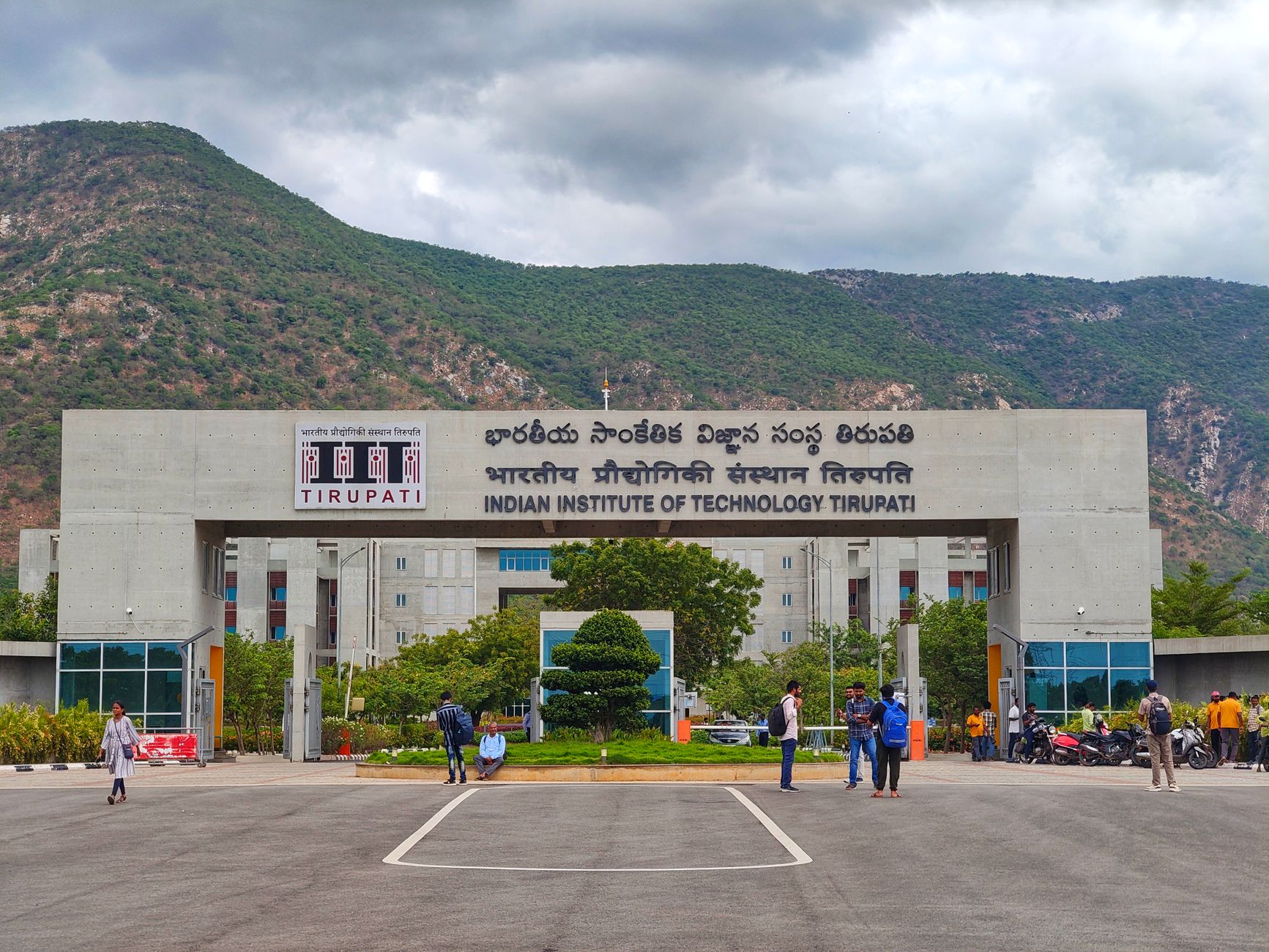
Simultaneously, Indian higher education institutions are stepping up their game. Several premier universities and private institutions now offer world-class infrastructure, international collaborations, and industry partnerships that were previously available only abroad. Online and hybrid learning programs from prestigious foreign universities allow students to earn international credentials while staying in India at a fraction of the cost.
The rise of sectors like technology, startups, and digital services within India has also created lucrative career opportunities that don't necessarily require foreign degrees. Many Gen Z students are recognizing that success in these fields depends more on skills and innovation than on where one studied.
The Changing Value Proposition
For previous generations, an international degree almost guaranteed better career prospects and higher salaries. Today's Gen Z is more pragmatic and questions whether the massive financial outlay translates into proportional career advantages. With information readily available online, they can compare salary outcomes, job placement rates, and career trajectories more transparently.
Additionally, the pandemic normalized remote work and global collaboration, proving that one can work for international companies without leaving India. This realization has diminished the perceived necessity of physical presence abroad for global exposure.
Regional Shifts and Emerging Destinations
While traditional destinations face declining interest, some students are exploring more affordable alternatives. Countries in Europe offering low or zero tuition fees, or Asian destinations like Singapore and South Korea, are attracting attention. However, language barriers and unfamiliarity with these education systems present their own challenges.
What This Means for Indian Education
This trend places greater responsibility on Indian institutions to continue improving quality, research output, and industry connections. The government's push for internationalization of Indian campuses, including allowing foreign universities to establish branches, could help bridge the gap between domestic and international education experiences.
For families and students currently weighing their options, this shift suggests a more balanced approach—considering domestic alternatives seriously while keeping international education as one option among several, rather than the default aspiration.
The findings reflect a generation that is more financially conscious, risk-aware, and open to unconventional paths to success. Whether this represents a temporary correction or a permanent shift in Indian students' educational aspirations remains to be seen, but it certainly signals the need for more affordable and accessible pathways to quality higher education.
This article is for general informational purposes only and does not constitute educational or career counseling. Individual circumstances vary, and readers should conduct thorough research and consult with education advisors before making decisions about higher education plans.