India's education landscape is witnessing an unprecedented transformation, driven not by policymakers or institutional heads, but by the very students navigating the system. Generation Z, roughly those born between 1997 and 2012, is moving from classroom protests against outdated curricula to taking ownership of their learning experiences in ways that could permanently reshape Indian education.
The Shift from Resistance to Reconstruction
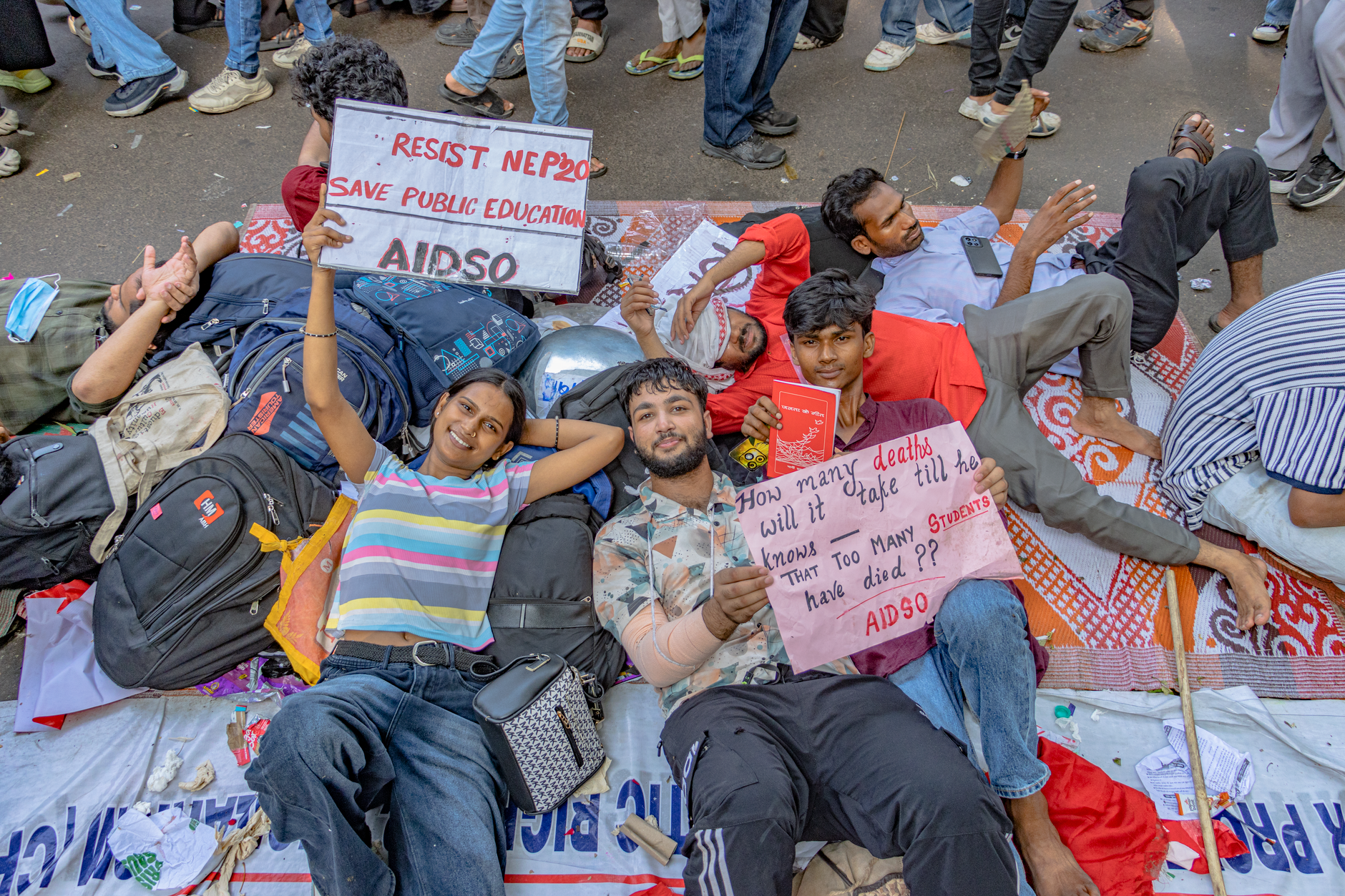
The past decade saw Gen Z students across India protesting issues ranging from fee hikes to examination reforms. However, a notable shift has occurred. Rather than simply opposing existing structures, young Indians are now building alternatives. Students are creating peer-learning platforms, launching educational startups, and even influencing curriculum design through formal and informal channels.
This generation has grown up with smartphones in hand and witnessed the democratization of information through the internet. Unlike previous generations who accepted education as a top-down delivery system, Gen Z questions why learning must follow rigid, decades-old patterns when knowledge is freely available online.
Technology as the Great Equalizer
The explosion of edtech platforms in India has been partly student-driven. Many successful educational technology ventures were founded by individuals barely out of college themselves, identifying gaps they experienced firsthand. From vernacular language learning apps to skill-based training platforms, young entrepreneurs are addressing problems traditional institutions ignored.
The COVID-19 pandemic accelerated this trend dramatically. When schools and colleges shuttered, Gen Z students didn't just consume online classes—they created study groups on Discord, launched YouTube channels explaining complex topics, and built communities around shared learning goals. This self-directed approach revealed that learning could happen outside institutional walls.
Redefining Career Pathways
Gen Z's approach to education is fundamentally pragmatic. They're increasingly questioning the value proposition of traditional degrees, especially when job markets demand skills that colleges don't teach. This has led to rising interest in alternative credentials like boot camps, online certifications, and portfolio-based learning.
The traditional markers of educational success—board exam percentages, prestigious college admissions, conventional career paths—are being challenged. Young Indians are choosing gap years for skill development, pursuing unconventional combinations of subjects, and prioritizing practical experience over theoretical knowledge.
Influencing Policy and Institutions
What's particularly noteworthy is how Gen Z is engaging with educational institutions and policymakers. Student councils are becoming more active in curriculum discussions. Online petitions and social media campaigns have forced universities to reconsider outdated rules and teaching methods.
Several Indian universities have introduced student representatives in academic boards, a direct result of sustained advocacy by young voices demanding a seat at decision-making tables. The National Education Policy 2020, while government-led, incorporated feedback from extensive student consultations—a process previous policy revisions largely overlooked.
Challenges and Contradictions
This transformation isn't without contradictions. While urban, English-speaking Gen Z students leverage technology to reimagine education, millions of their rural counterparts still struggle with basic infrastructure. The digital divide means educational ownership remains a privilege, not a universal reality.
Additionally, the same generation demanding educational reform still faces immense pressure from families and society to achieve traditional markers of success. The tension between innovation and convention creates psychological stress for many young Indians navigating these conflicting expectations.
The Mental Health Dimension
Gen Z's approach to education includes unprecedented openness about mental health. Students are demanding that educational institutions address well-being alongside academic achievement. Campus counseling services, mental health leaves, and conversations about exam-related stress are becoming normalized, largely due to student advocacy.
This holistic view of education—as encompassing emotional, psychological, and social development rather than just academic performance—represents a significant departure from previous approaches.
Looking Ahead
The future of Indian education will likely be hybrid—blending institutional learning with self-directed exploration, formal degrees with alternative credentials, and classroom teaching with digital resources. Gen Z isn't abandoning traditional education entirely but rather insisting it evolve to meet contemporary needs.
As this generation moves into teaching, policymaking, and educational leadership roles over the coming decades, the changes they're pioneering as students will likely become institutionalized. The question isn't whether Indian education will transform, but how quickly institutions can adapt to the future Gen Z is already building.