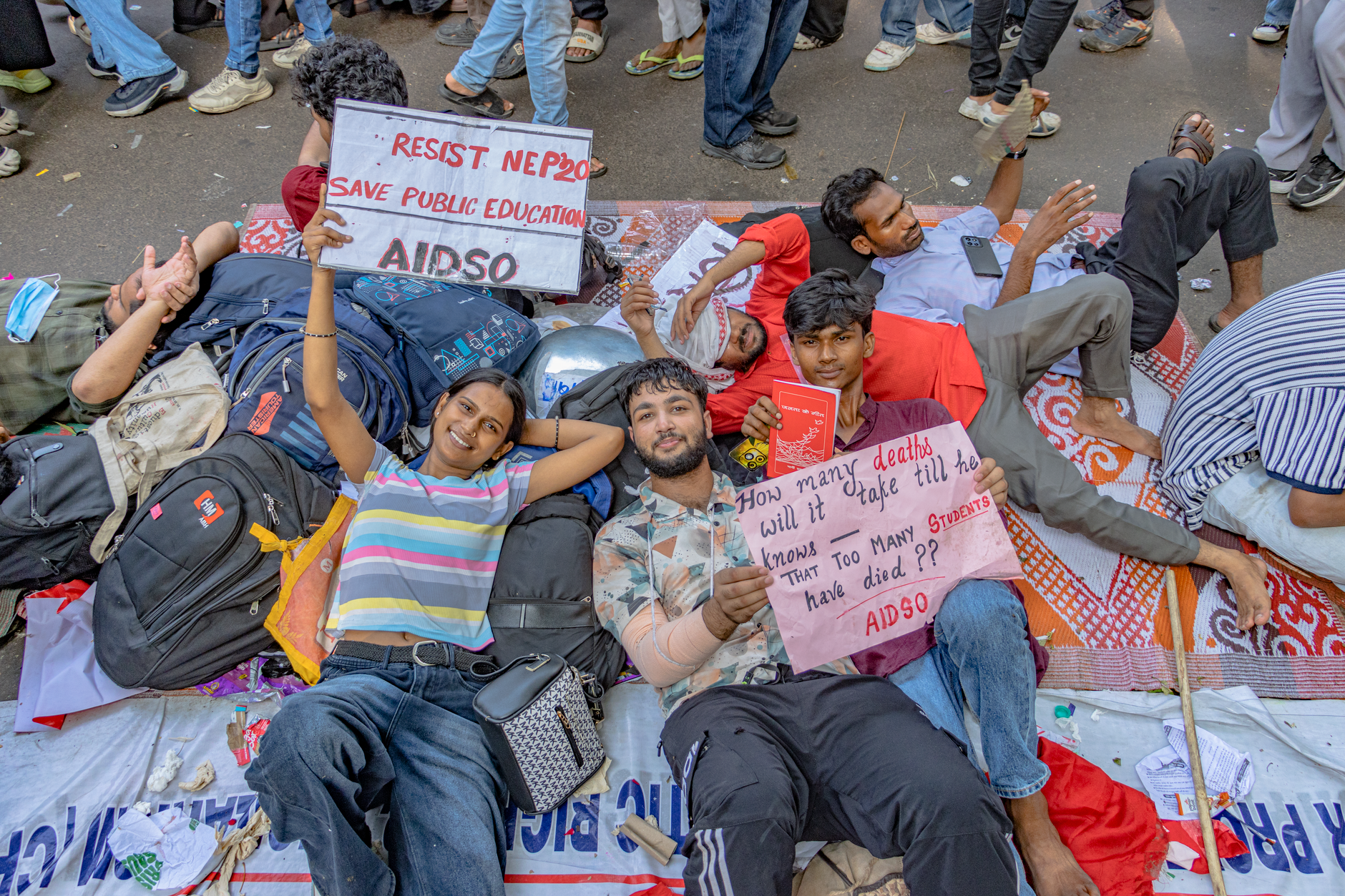
India's youngest generation is making its voice heard in an unprecedented manner. Generation Alpha—children born after 2010—has taken to expressing dissatisfaction with the current state of school education, and their grievances mirror concerns raised in recent government assessments of the education sector.
The Convergence of Youth Concerns and Official Data
The protests by Gen Alpha students have brought renewed attention to longstanding issues in Indian schools. What makes this particularly significant is how closely their complaints align with findings from government reports that have documented persistent gaps in educational infrastructure, teacher training, and learning outcomes across the country.
These young students, who represent India's first entirely 21st-century generation, are raising concerns about outdated curricula, inadequate facilities, and teaching methods that fail to prepare them for a rapidly evolving world. Their protests have gained traction on social media platforms where Gen Alpha is notably active, amplifying concerns that might otherwise have been confined to parent-teacher meetings.
Key Gaps Identified in Government Reports
Government assessments of the education sector have consistently highlighted several critical deficiencies. Infrastructure remains a major concern, with many schools lacking basic facilities such as functional toilets, drinking water, electricity, and adequate classroom space. The digital divide has become particularly apparent, with rural and economically disadvantaged students having limited access to computers and internet connectivity.
Teacher quality and availability represent another significant challenge. Many schools operate with unfilled teaching positions, leading to high student-teacher ratios that make personalized attention impossible. Additionally, teacher training programs often fail to equip educators with modern pedagogical skills or subject matter expertise, particularly in STEM fields.
Learning outcomes have been particularly troubling. Various assessments have shown that a substantial percentage of students in elementary grades cannot perform basic reading, writing, and arithmetic tasks appropriate for their grade level. This foundational learning crisis has long-term implications for higher education and employability.
What Gen Alpha is Demanding
The current generation of students is articulating demands that reflect both traditional concerns and new-age requirements. They seek better infrastructure that includes modern laboratories, libraries, and sports facilities. There is also a strong push for technology integration, with students wanting digital tools and internet access as standard educational resources rather than luxuries.
Gen Alpha students are also calling for curriculum reforms that emphasize critical thinking, creativity, and practical skills over rote memorization. They want education that prepares them for careers that may not even exist yet, rather than outdated syllabi that reflect the economy of previous decades.
Mental health support has emerged as another key demand. This generation is notably more aware of psychological wellbeing and seeks counseling services, stress management programs, and reduced academic pressure within schools.
The Role of Policy and Implementation
While several government initiatives have aimed to address educational gaps—including the National Education Policy 2020—implementation remains inconsistent. The policy proposes transformative changes including multidisciplinary learning, coding from middle school, and reduced curriculum load. However, translating policy into practice requires substantial investment, teacher retraining, and administrative overhaul.
Budget allocation for education has often fallen short of the recommended six percent of GDP. Many states struggle to utilize even their allocated education budgets effectively due to bureaucratic bottlenecks and lack of ground-level capacity.
Regional Disparities
The education crisis is not uniform across India. Southern states and certain urban areas have made significant progress in improving school quality and learning outcomes. However, several northern and central states continue to lag behind on multiple indicators, creating a two-tier education system that perpetuates inequality.
These regional gaps mean that a child's educational opportunities remain largely determined by geography and socioeconomic status, undermining the constitutional promise of equitable education for all.
The Path Forward
Addressing the concerns raised by Gen Alpha and confirmed by government data requires coordinated action. Increased funding must be coupled with accountability mechanisms to ensure money reaches schools and is used effectively. Teacher recruitment, training, and retention need urgent attention, including competitive salaries and professional development opportunities.
Infrastructure development should prioritize schools in underserved areas, while digital infrastructure must be expanded to bridge the technology gap. Curriculum reform should actively involve educators, students, and industry experts to ensure relevance and practicality.
The fact that Gen Alpha is already advocating for better education demonstrates both their awareness and their stake in the system's improvement. Their voices, combined with data-driven policy making, could catalyze the transformation Indian education desperately needs.