In a nation where millions of children still lack access to quality education, one woman's innovative approach to teaching has captured global attention and demonstrated that passion, creativity, and commitment can overcome even the most challenging circumstances.
The Birth of an Unconventional Classroom
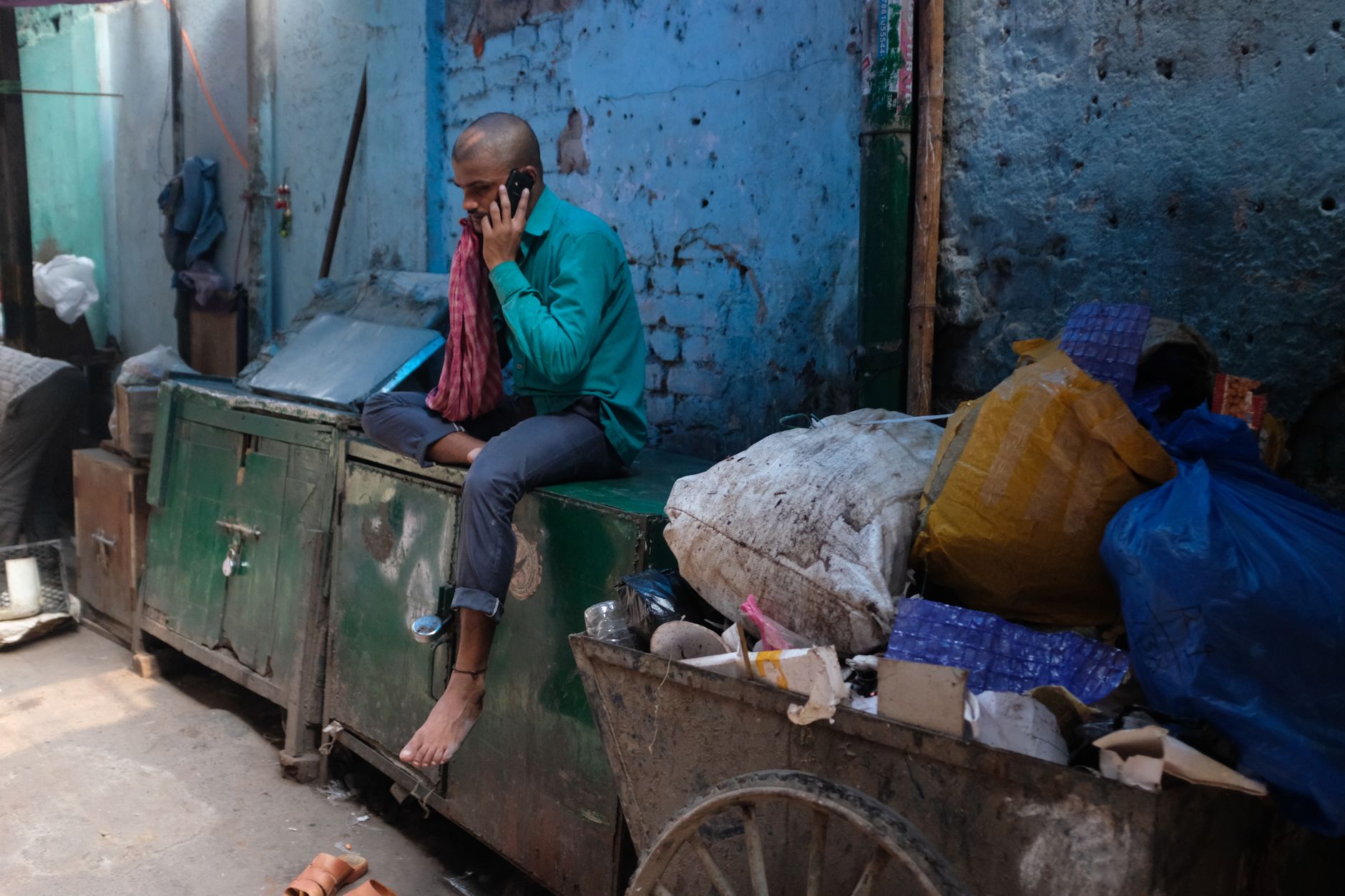
Rouble Nagi's journey into transformative education began with a simple yet powerful observation: countless children in India's urban slums had no access to formal schooling, while city walls stood idle and unused. Rather than accepting this reality, she saw opportunity where others saw obstacles. Her solution was both radical and practical—turning the walls of slum areas into open-air classrooms where learning could happen freely and organically.
This approach eliminated several barriers simultaneously. There were no admission fees, no infrastructure costs, and no geographical limitations that typically prevent underprivileged children from accessing education. The walls became blackboards, the streets became benches, and education became accessible to those who needed it most.
Breaking Traditional Boundaries
What sets Nagi's methodology apart is her rejection of conventional educational frameworks that often fail to address the realities of India's most vulnerable children. Many of these young learners work during traditional school hours, lack proper documentation for formal enrollment, or face social barriers that keep them out of mainstream institutions.
By bringing education directly to the communities, Nagi eliminated the need for children to travel long distances or abandon their daily responsibilities entirely. The flexible timing and informal setting meant that a child selling flowers in the morning could attend lessons in the afternoon, and a young ragpicker could learn to read and write without sacrificing their family's income.
The Pedagogy of Hope
The teaching methods employed in these wall classrooms go beyond basic literacy and numeracy. Nagi's approach recognizes that children from marginalized backgrounds need more than academic knowledge—they need confidence, dignity, and hope for a different future. The curriculum integrates:
- Interactive learning methods that engage children through storytelling and visual aids
- Life skills education covering hygiene, health, and social awareness
- Confidence-building activities that help children envision possibilities beyond their current circumstances
- Community involvement that brings parents and neighbors into the learning process
This holistic approach addresses not just educational gaps but also the psychological barriers that poverty creates. When children learn in their own neighborhoods, surrounded by familiar faces, education becomes less intimidating and more empowering.
Recognition and Impact
The international recognition, including the substantial prize money, validates what grassroots educators have long known: transformative education doesn't always require expensive infrastructure or imported curricula. Sometimes it requires someone willing to meet learners where they are, both literally and figuratively.
The award brings multiple benefits beyond personal recognition. It shines a spotlight on alternative education models that can be replicated across India and other developing nations. It provides financial resources that can expand the initiative's reach. Most importantly, it sends a powerful message to children studying on those slum walls—that their education matters, their teacher's work is valued, and their dreams are worth pursuing.
Lessons for India's Education System
Nagi's success raises important questions about how India approaches education for its most vulnerable populations. While government schemes and formal schools remain essential, her model demonstrates that supplementary, community-based approaches can fill critical gaps.
The initiative proves that effective teaching requires more than qualifications and curriculum standards. It demands cultural sensitivity, adaptability, and genuine commitment to student success. Many formally trained teachers might hesitate to work in such challenging conditions, but Nagi's example shows that impact often happens outside comfort zones.
Scaling Inspiration
The challenge now lies in scaling this model without losing its essential character. As funding increases and attention grows, maintaining the grassroots connection and community trust that made the initiative successful becomes crucial. The goal should not be to replicate exactly but to inspire others to find creative solutions suited to their local contexts.
Other educators, NGOs, and community organizations across India can draw inspiration from this approach, adapting the core principle—making education accessible by removing barriers rather than expecting vulnerable children to overcome them—to their own communities.
Rouble Nagi's story reminds us that revolutionary change often begins with simple acts of compassion and creativity. By seeing potential instead of problems, and by acting rather than waiting for perfect conditions, one person truly can make a difference in countless lives.