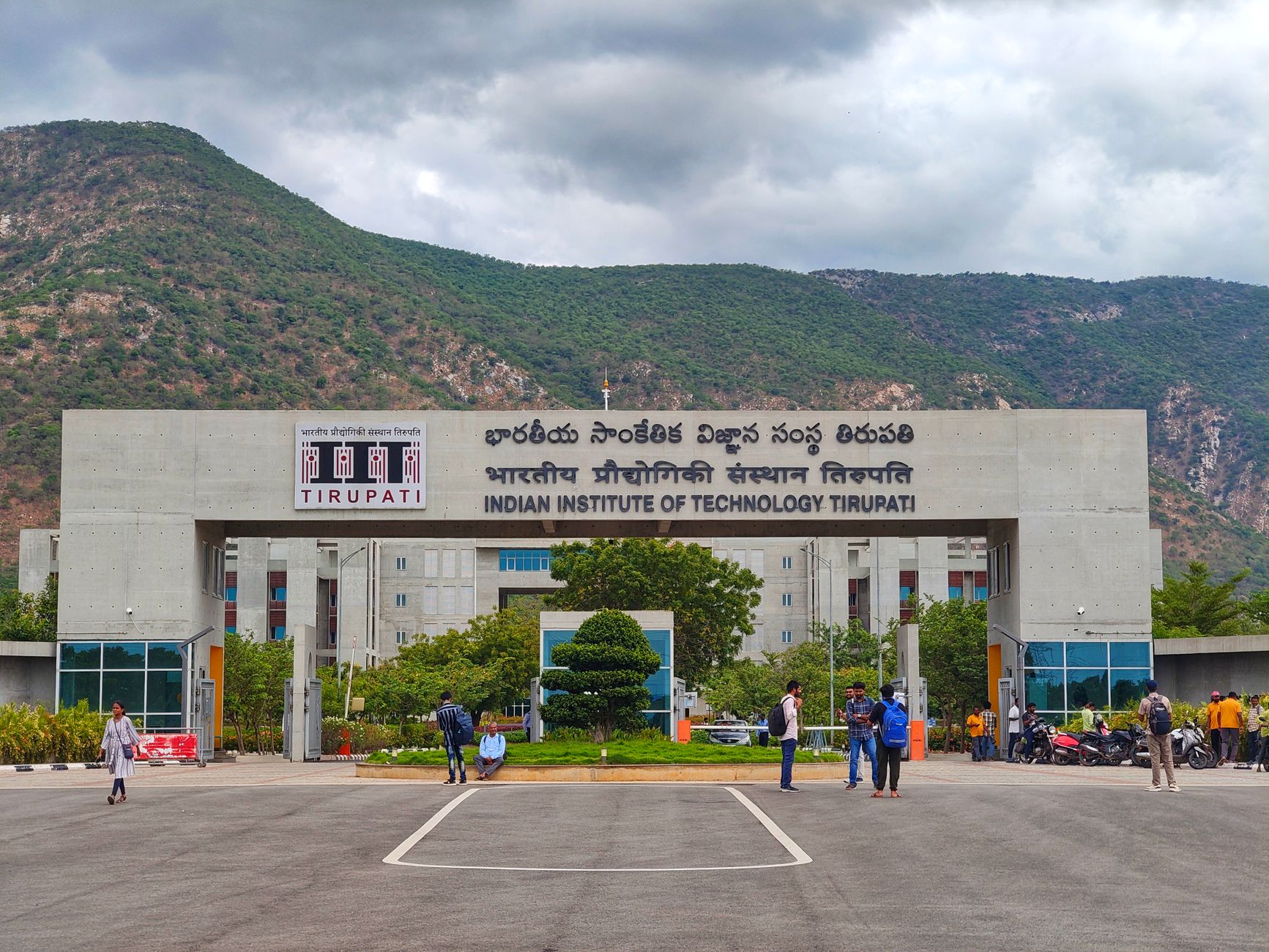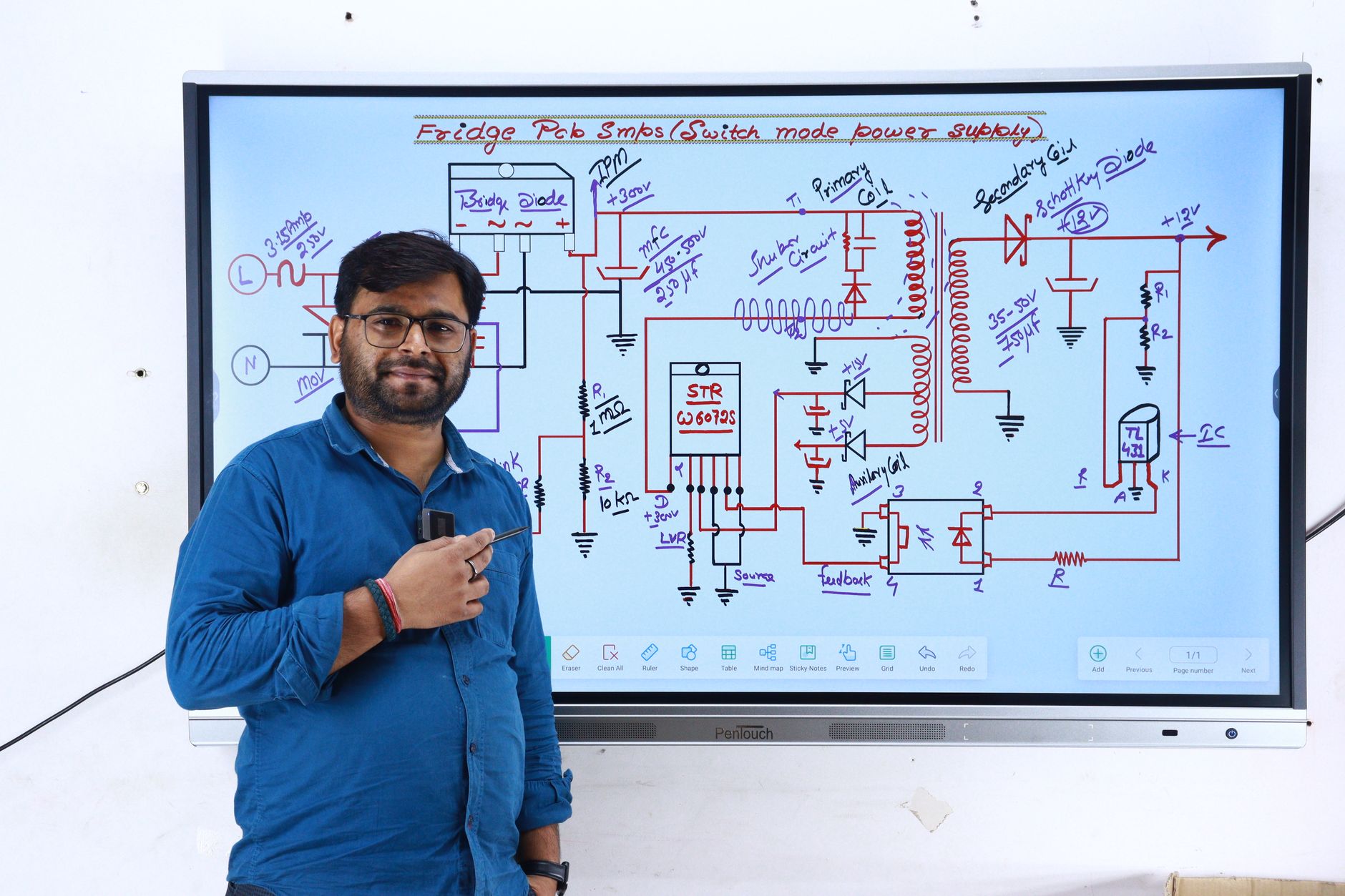
A senior political figure's recent remarks about young Indians have ignited a fresh debate about the country's education landscape and the aspirations of its youth population. The comments have drawn attention to ongoing questions about how India's education system prepares students for the future and whether current approaches adequately serve the nation's demographic dividend.
Understanding the Context
Generation Z in India, broadly defined as those born between the mid-1990s and early 2010s, represents a significant portion of the country's population. This cohort has grown up during a period of rapid technological advancement, increased globalisation, and evolving job markets. They are digital natives who approach education, careers, and life choices differently from previous generations.
The discussion around whether this generation is being "misled" touches on several sensitive areas including career guidance, skill development, educational priorities, and the alignment between academic curricula and market demands.
The Education-Employment Gap
One of the central issues in India's current education discourse is the gap between what students learn and what employers need. Despite producing millions of graduates annually, India faces a paradox where unemployment coexists with unfilled positions in various sectors.
Key challenges include:
- Traditional emphasis on degrees over practical skills
- Limited vocational training integration in mainstream education
- Mismatch between course offerings and emerging industry requirements
- Pressure to pursue conventional career paths despite changing market dynamics
- Inadequate career counselling in schools and colleges
Generational Aspirations and Realities
Generation Z in India has different expectations compared to earlier generations. They prioritise work-life balance, seek purpose-driven careers, and are more willing to explore non-traditional paths including entrepreneurship, creative fields, and gig economy opportunities.
This shift has sometimes created tension with older perspectives that emphasise job security, government positions, and established professional routes. The question of whether young people are being "misled" may reflect concerns about:
- The sustainability of certain career choices
- Realistic expectations about income and stability
- The balance between passion and practicality
- Understanding of long-term financial planning
- Preparation for economic uncertainties
The Role of Digital Media and Influences
Today's youth receive information and inspiration from diverse sources including social media, online influencers, and global content platforms. While this exposure brings opportunities for learning and networking, it also presents challenges.
The abundance of success stories, lifestyle content, and entrepreneurial narratives can sometimes create skewed perceptions about career paths, the effort required for success, and realistic timelines for achievement. This has led to debates about whether young people have accurate information to make informed life decisions.
What Education Reform Could Address
Discussions about Gen Z and education often point toward needed reforms in India's educational ecosystem:
- Strengthening skill-based learning alongside theoretical knowledge
- Better integration of industry partnerships in curriculum design
- Enhanced career guidance starting from secondary school
- Greater emphasis on critical thinking and adaptability
- Recognition of diverse learning styles and career paths
- Updated teaching methods that reflect contemporary needs
The Responsibility of Multiple Stakeholders
Addressing concerns about whether young people are adequately prepared involves multiple parties. Educational institutions must evolve their offerings, policymakers need to create supportive frameworks, employers should communicate their requirements clearly, and families must provide informed guidance while respecting individual aspirations.
Young people themselves also bear responsibility for seeking accurate information, developing realistic plans, and building both specialised and transferable skills that provide career flexibility.
Looking Forward
The conversation about Generation Z and their preparedness for the future is unlikely to end soon. As India aims to leverage its demographic advantage, ensuring that young people have the skills, knowledge, and realistic guidance they need becomes crucial for individual success and national development.
Rather than viewing generational differences as problems, there may be value in recognising that Gen Z's approach to education and careers reflects changing global realities. The challenge lies in creating systems that honour both innovation and stability, allowing young people to pursue meaningful paths while building sustainable futures.
The debate ultimately highlights the ongoing need for dialogue between generations and continuous evolution of educational approaches to serve students in a rapidly changing world.