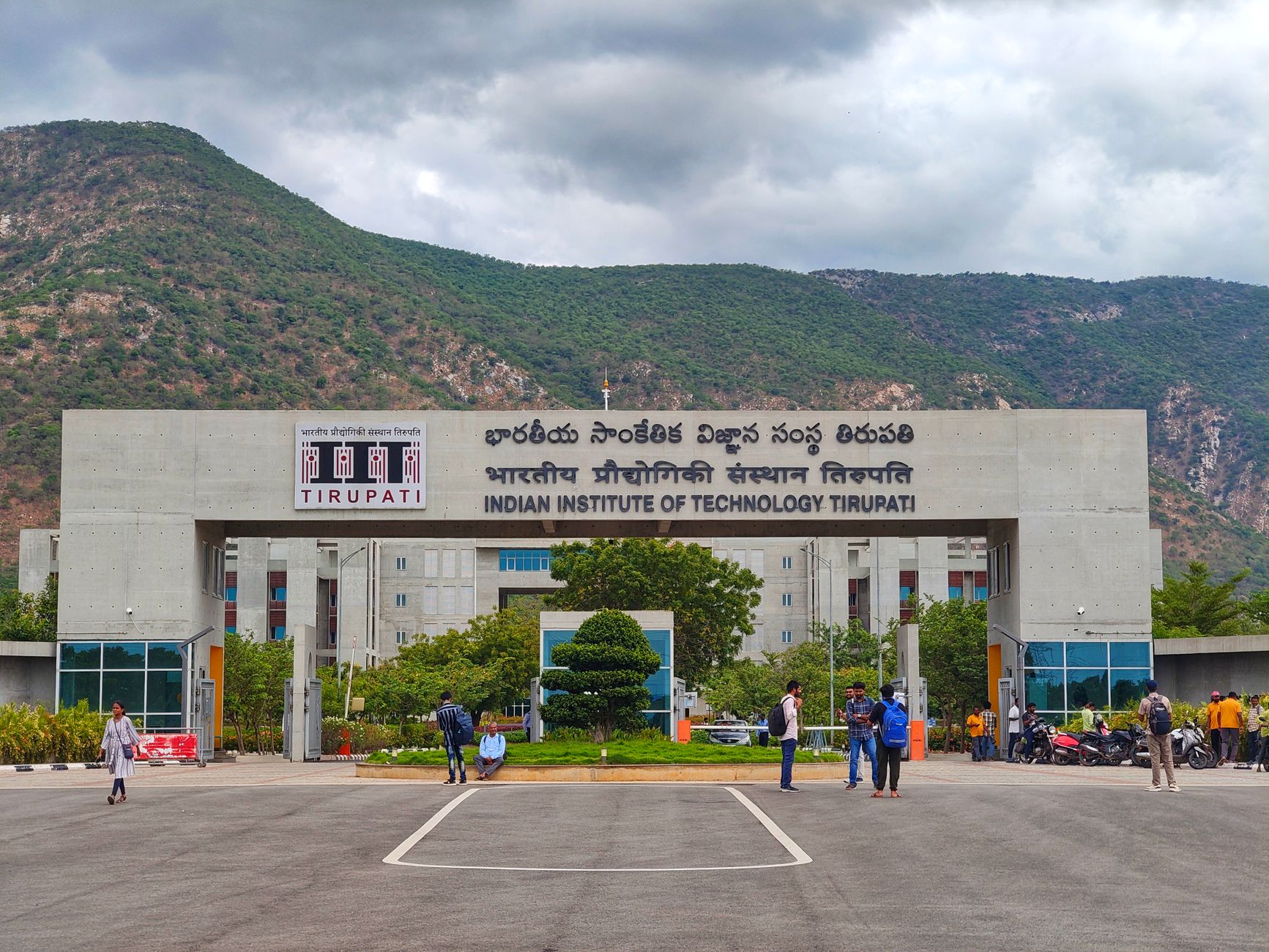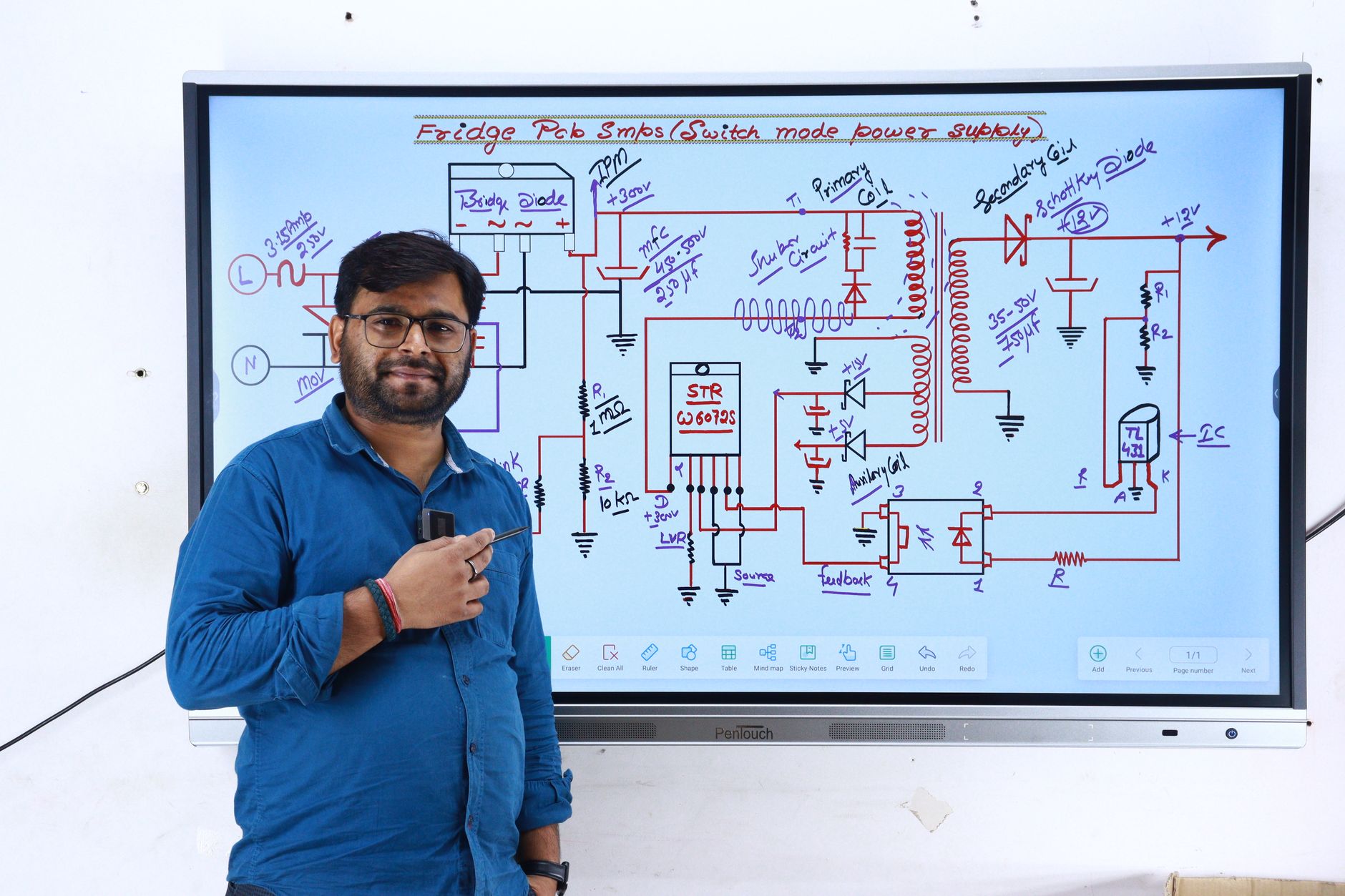
The Union Education Minister's recent statement underscoring the government's commitment to strengthening India's education ecosystem comes at a crucial juncture when the country is working toward aligning its educational framework with 21st-century demands and global standards. This reaffirmation signals continued policy focus on transforming how millions of Indian students learn, access opportunities, and prepare for future careers.
Understanding the Education Ecosystem
An education ecosystem encompasses all elements that contribute to learning outcomes—from physical infrastructure like schools and colleges to digital platforms, teacher training programs, curriculum design, evaluation systems, and skill development initiatives. Strengthening this ecosystem means creating an environment where every component works synergistically to deliver quality education accessible to all segments of society.
India's education landscape serves over 250 million students across schools and approximately 40 million in higher education institutions, making it one of the world's largest education systems. Managing and upgrading such a vast network requires sustained policy attention, resource allocation, and innovative approaches.
Key Focus Areas for Educational Reform
Recent government initiatives have concentrated on several priority areas that collectively aim to modernize India's learning environment.
The National Education Policy (NEP) 2020 remains the cornerstone of educational transformation, introducing changes such as a 5+3+3+4 curricular structure replacing the traditional 10+2 system, emphasis on foundational literacy and numeracy, integration of vocational education from middle school onwards, and multidisciplinary undergraduate programs.
Digital infrastructure expansion has accelerated, particularly following the pandemic's demonstration of technology's critical role in education continuity. Platforms like DIKSHA, SWAYAM, and e-Pathshala have democratized access to quality learning resources, enabling students in remote areas to benefit from content created by expert educators.
Teacher capacity building represents another crucial pillar, with programs like NISHTHA (National Initiative for School Heads' and Teachers' Holistic Advancement) training millions of teachers in contemporary pedagogical methods, inclusive education practices, and technology integration.
Infrastructure and Accessibility Challenges
Despite significant progress, India's education ecosystem faces persistent challenges that require continued governmental commitment to address effectively.
Infrastructure gaps remain pronounced, especially in rural and economically weaker regions where schools may lack basic facilities like proper classrooms, laboratories, libraries, and sanitation facilities. Bridging this urban-rural divide is essential for ensuring equitable educational opportunities.
The digital divide poses another challenge as internet connectivity and device availability remain inconsistent across the country. While urban students may have multiple devices and high-speed internet, their rural counterparts often struggle with basic connectivity, creating disparities in access to digital learning resources.
Quality concerns extend beyond infrastructure to teaching standards, with many schools facing teacher shortages or having educators who require updated training in modern teaching methodologies and subject matter expertise.
Higher Education and Research Development
Strengthening the education ecosystem also involves elevating India's higher education and research capabilities to compete globally. Initiatives like establishing the Higher Education Commission of India (HECI), promoting autonomy for high-performing institutions, and encouraging universities to achieve global rankings reflect this ambition.
Research and innovation ecosystems need nurturing through increased funding, better university-industry collaboration, and creating incentives for cutting-edge research in emerging technologies, healthcare, agriculture, and social sciences.
Skill Development and Employability
Modern education must bridge the gap between academic learning and market requirements. The government's focus includes integrating skill-based courses into mainstream education, expanding Industrial Training Institutes (ITIs), strengthening polytechnics, and creating partnerships with industry to ensure graduates possess job-ready skills.
Programs promoting entrepreneurship, incubation centers in educational institutions, and startup support schemes help students become job creators rather than just job seekers, addressing unemployment concerns while fostering innovation.
Implementation and Accountability
Strengthening the education ecosystem requires not just policy announcements but rigorous implementation, regular monitoring, and accountability mechanisms. State governments, being primary stakeholders in school education, must collaborate effectively with central initiatives to ensure benefits reach ground level.
Financial allocation matters significantly—education requires sustained investment in infrastructure, teacher salaries, scholarship programs, and technology integration. Budget commitments must translate into timely fund releases and effective utilization.
The success of India's educational transformation will ultimately be measured by learning outcomes, employability rates, research output, and the system's ability to nurture critical thinking, creativity, and values alongside academic knowledge. Continued governmental commitment backed by concrete action will determine whether India can leverage its demographic dividend through an empowered, educated youth population prepared to drive national development.