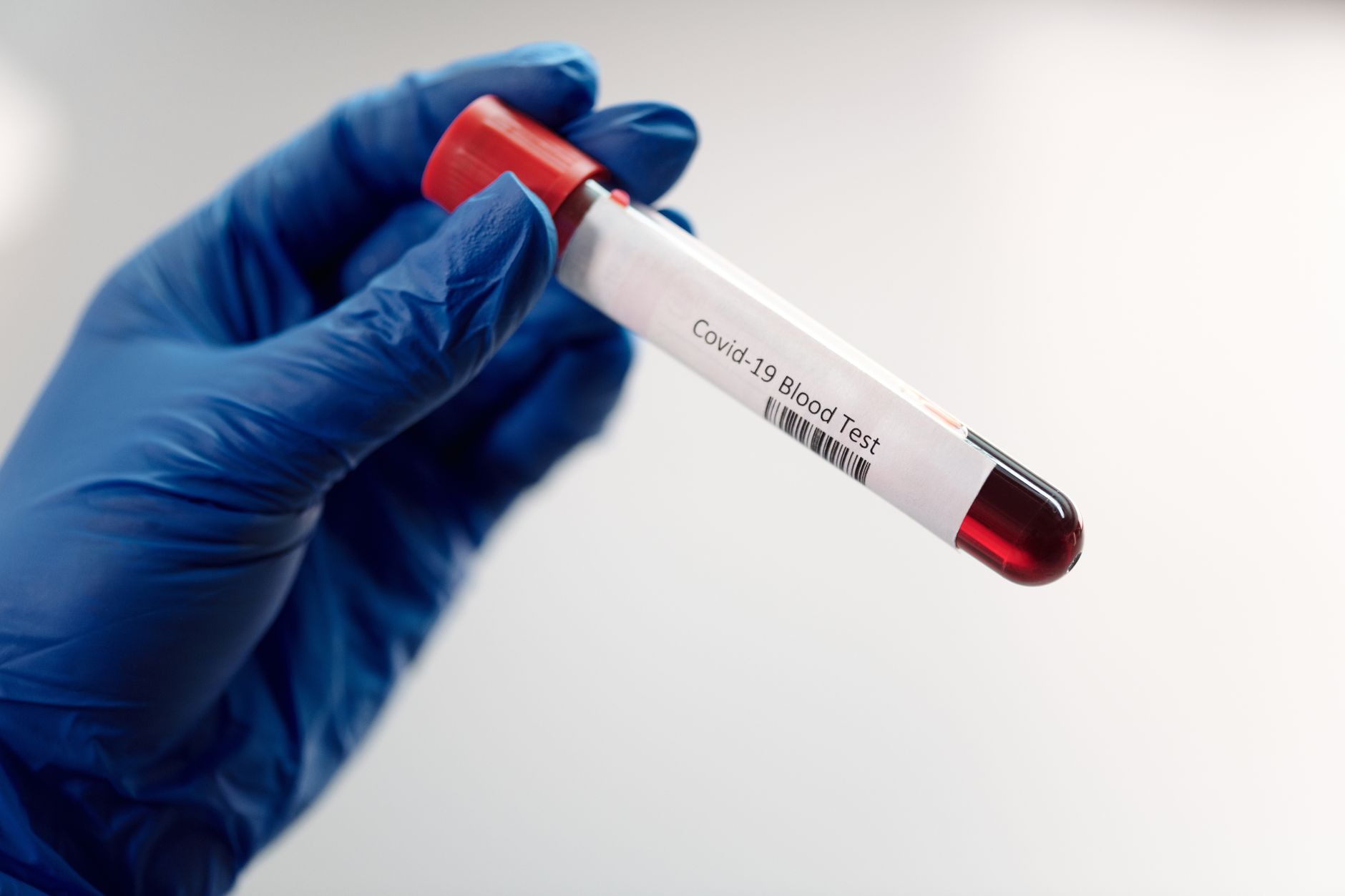
Indian healthcare has taken a significant leap forward with the introduction of advanced blood-based multi-cancer detection technology. This innovative screening method represents a major shift from traditional cancer detection approaches, potentially transforming how early-stage cancers are identified in the country.
Understanding Multi-Cancer Detection Technology
Multi-cancer detection tests represent a new generation of diagnostic tools that can screen for multiple types of cancer simultaneously using a single blood sample. Unlike conventional screening methods that typically focus on one cancer type at a time, these tests analyze circulating tumor DNA and other biomarkers in the bloodstream that may indicate the presence of various cancers.
The technology works by detecting tiny fragments of DNA that cancer cells release into the bloodstream. These cell-free DNA fragments carry specific patterns and mutations that can signal not only the presence of cancer but sometimes even indicate where in the body the cancer may be located.
The Significance for Indian Healthcare
India faces a substantial cancer burden, with millions of new cases diagnosed annually. Early detection remains one of the most critical factors in improving survival rates and treatment outcomes. However, traditional screening methods often require multiple tests, can be invasive, and may not be accessible to large segments of the population.
The introduction of blood-based multi-cancer screening addresses several challenges:
- Simplicity and convenience of a single blood draw
- Potential for earlier detection before symptoms appear
- Ability to screen for cancers that lack effective screening methods
- Less invasive than traditional diagnostic procedures
- Possibility of detecting cancers in unexpected locations
How the Test Works
The blood-based screening process begins with a standard blood sample collection. The sample is then analyzed in specialized laboratories where advanced genomic sequencing technology examines the circulating cell-free DNA for cancer-specific signals.
The test looks for methylation patterns, genetic mutations, and other molecular markers that distinguish cancer DNA from normal DNA. When these signals are detected, they can indicate the possible presence of cancer and sometimes suggest the tissue of origin, helping guide further diagnostic investigations.
Scope and Limitations
While multi-cancer detection tests represent significant advancement, it is important to understand their role in healthcare. These tests are designed for screening purposes and work best when used as part of a comprehensive health monitoring strategy alongside standard recommended screenings.
The tests can potentially detect dozens of cancer types, including some of the deadliest forms such as pancreatic, ovarian, and esophageal cancers that often lack effective early screening methods. However, they are not diagnostic tools by themselves. A positive result requires follow-up with imaging studies, biopsies, and other confirmatory tests.
Who Should Consider This Testing
Multi-cancer detection tests are generally recommended for adults at elevated risk of cancer, including those with:
- Family history of multiple cancer types
- Age above 50 years
- Previous cancer diagnosis
- Genetic predispositions to cancer
- Lifestyle or environmental risk factors
Healthcare providers typically recommend these tests as complementary to, not replacements for, established screening protocols like mammograms, colonoscopies, and cervical cancer screening.
Implications for Early Detection
Early cancer detection dramatically improves treatment success rates and survival outcomes. Many cancers, when caught in stage one or two, have significantly higher five-year survival rates compared to late-stage diagnoses. The ability to detect cancers before symptoms develop could shift many diagnoses to earlier, more treatable stages.
For cancers without established screening methods, this technology offers the first practical approach to early detection for average-risk individuals. This is particularly important for aggressive cancers that progress rapidly once symptoms appear.
Accessibility and Healthcare Integration
The availability of such advanced diagnostic technology through established laboratory networks makes it more accessible to Indian patients. As the technology becomes more widespread, it may become integrated into routine health check-ups for appropriate age groups and risk categories.
The cost-effectiveness of detecting multiple cancers with a single test, compared to multiple individual screenings, could make comprehensive cancer screening more feasible for healthcare systems and individuals alike.
This article provides general information about multi-cancer detection technology and should not be considered medical advice. Individuals should consult qualified healthcare professionals to determine appropriate cancer screening strategies based on their personal health history, risk factors, and current medical guidelines. Cancer screening decisions should be made in consultation with doctors who can evaluate individual circumstances and recommend personalized screening protocols.