India's monsoon season has brought with it a familiar threat that appears to be intensifying: dengue fever. As rains create breeding grounds for mosquitoes across the country, health authorities are reporting a significant surge in dengue cases, highlighting the nation's evolving disease burden that now spans both infectious and non-communicable illnesses.
The Dengue Surge Explained
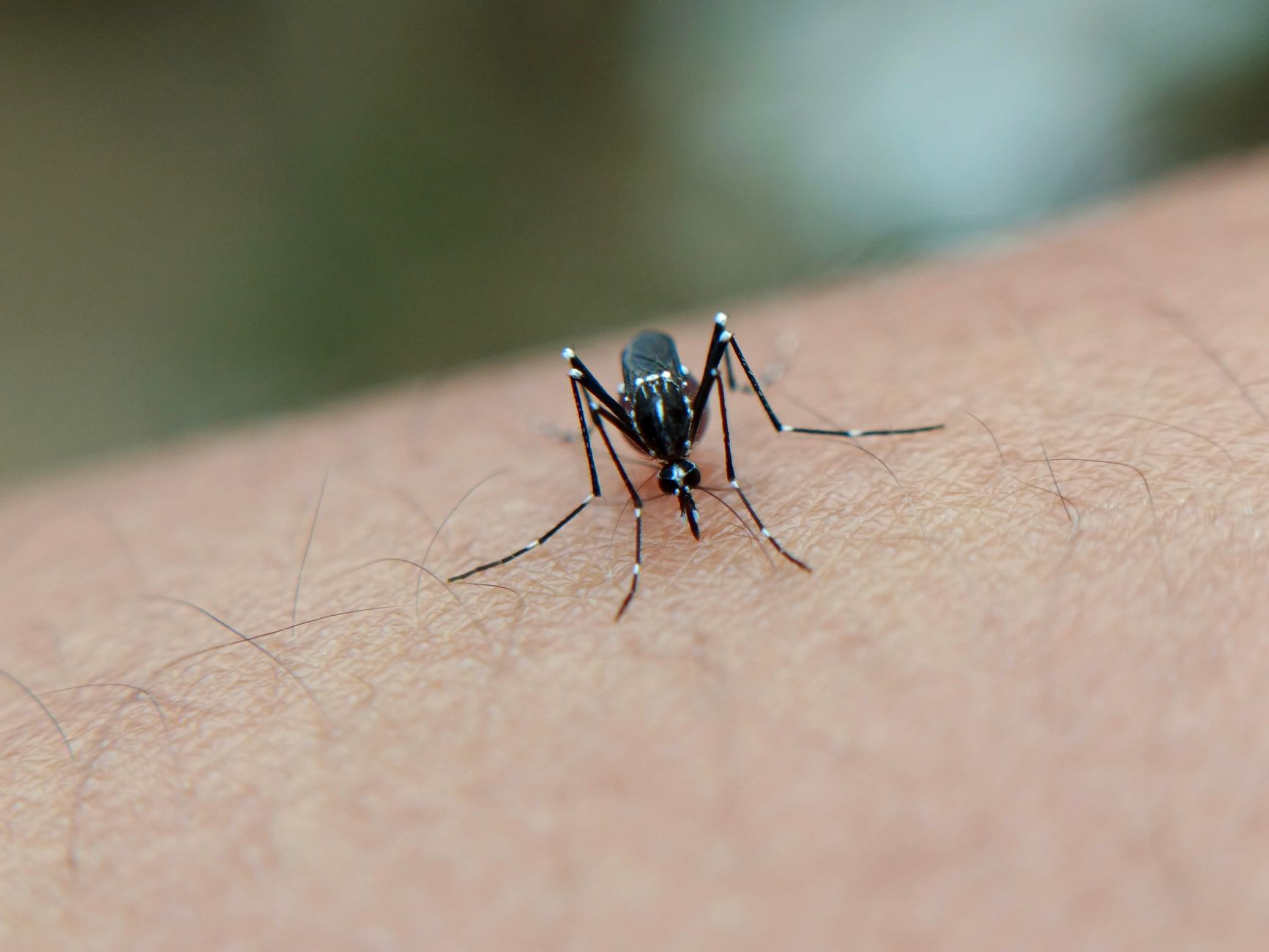
Dengue fever, transmitted by the Aedes aegypti mosquito, thrives during monsoon months when stagnant water accumulates in urban and semi-urban areas. This year's surge reflects a pattern that has been building over recent years, with dengue becoming increasingly prevalent in Indian cities and towns. The disease typically presents with high fever, severe headache, pain behind the eyes, joint and muscle pain, and in severe cases can lead to dengue hemorrhagic fever or dengue shock syndrome.
The rise in dengue cases can be attributed to several factors including unplanned urbanization, inadequate waste management systems, and climate patterns that favor mosquito breeding. Unlike malaria-carrying mosquitoes that breed in cleaner water and bite primarily at night, Aedes mosquitoes breed in stored water containers, discarded tires, and even small puddles, and they bite during daylight hours, making prevention more challenging.
The Malaria Success Story
While dengue cases climb, India has made remarkable progress in reducing malaria incidence. Aggressive government programs including mass distribution of insecticide-treated bed nets, indoor residual spraying, and improved access to diagnostic testing and treatment have contributed to this decline. The National Vector Borne Disease Control Programme has focused resources on high-burden states, leading to measurable improvements.
The reduction in malaria cases represents years of sustained public health effort and demonstrates that targeted interventions can successfully combat vector-borne diseases. However, the challenge now lies in maintaining these gains while resources are stretched across multiple health priorities.
Kala-Azar Elimination Progress
Visceral leishmaniasis, commonly known as kala-azar, has also shown significant decline in India. This parasitic disease, transmitted by sandflies, primarily affects the poorest communities in Bihar, Jharkhand, Uttar Pradesh, and West Bengal. India's kala-azar elimination program has employed a multi-pronged approach including early case detection, complete treatment coverage, and vector management through indoor residual spraying.
The country has made substantial strides toward the World Health Organization's elimination target, though pockets of transmission remain in certain districts. Continued surveillance and sustained political commitment are essential to prevent resurgence.
The Rising Tide of Non-Communicable Diseases
Perhaps the most concerning aspect of India's current health landscape is the steady rise of non-communicable diseases (NCDs) such as diabetes, hypertension, cardiovascular disease, and cancer. This increase reflects changing lifestyle patterns including sedentary behavior, dietary shifts toward processed foods, tobacco use, and alcohol consumption.
India now faces what epidemiologists call a "double disease burden" – simultaneously fighting infectious diseases while grappling with the growing prevalence of lifestyle-related chronic conditions. This dual challenge strains healthcare infrastructure and budgets, as NCDs require long-term management rather than acute intervention.
What This Means for Public Health Strategy
The shifting disease landscape requires a recalibration of public health priorities and resource allocation. While vector-borne disease control remains essential, health systems must also strengthen primary care services for NCD prevention, screening, and management.
Protecting Yourself During Monsoon
Individuals can take several steps to reduce dengue risk:
- Eliminate standing water around homes by regularly emptying water storage containers, flower pots, and coolers
- Use mosquito repellents during daytime hours when Aedes mosquitoes are active
- Install window screens and use bed nets where appropriate
- Wear long-sleeved clothing during peak mosquito activity periods
- Seek immediate medical attention if dengue symptoms develop
For NCD prevention, maintaining a healthy lifestyle through regular physical activity, balanced nutrition, stress management, and avoiding tobacco and excessive alcohol consumption remains crucial.
The Path Forward
India's ability to reduce malaria and kala-azar while facing surging dengue and rising NCDs illustrates both the successes and ongoing challenges in public health. Integrated disease surveillance, adequate funding for health programs, community engagement, and climate-resilient urban planning will be essential to address this complex disease burden effectively.
This article is for general informational purposes only and does not constitute medical advice. Always consult qualified healthcare professionals for diagnosis, treatment, and specific medical guidance related to dengue, vector-borne diseases, or any health condition.