Eye health services in India are increasingly being scrutinized for their accessibility to people with disabilities, with advocacy organizations calling for systemic changes to ensure inclusive care delivery. The push for disability-inclusive eye health represents a critical intersection of two major public health challenges facing the country.
The Scope of Vision Impairment in India
India is home to approximately 8 million blind individuals and over 62 million people with vision impairment, according to various health surveys. The country accounts for nearly 20 percent of the global burden of blindness, making eye health a significant public health priority. However, within this already vulnerable population, people with existing disabilities face compounded barriers to accessing eye care services.
Vision impairment and disability create a complex relationship. Poor eye health can lead to disability, while existing disabilities can increase the risk of developing eye conditions. People with intellectual disabilities, mobility impairments, or communication challenges often encounter multiple obstacles when seeking eye care services.
Barriers to Accessible Eye Care
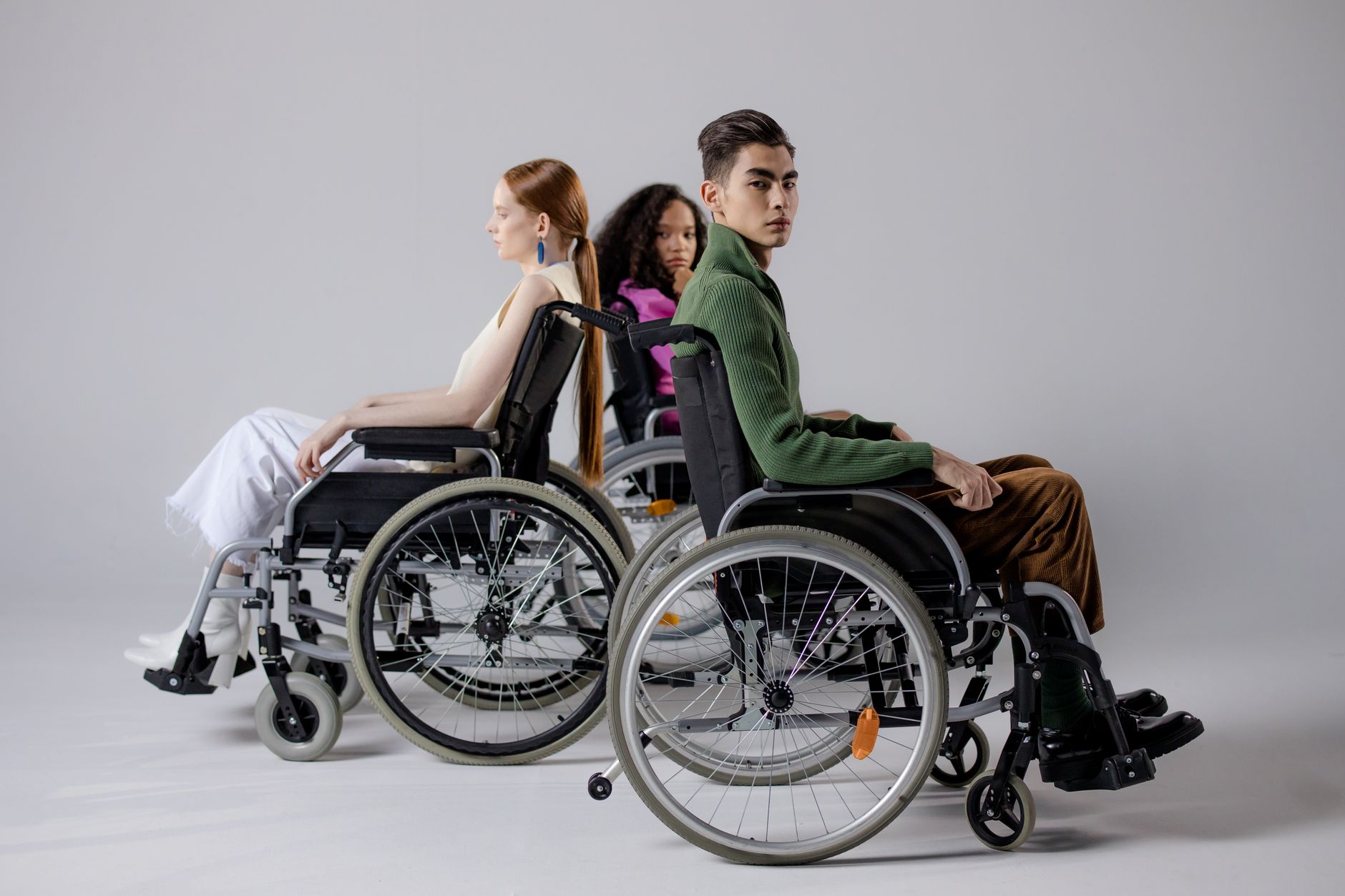
People with disabilities face numerous challenges when attempting to access eye health services in India. Physical infrastructure remains a primary concern, with many eye care facilities lacking wheelchair ramps, accessible toilets, or appropriate signage for people with different types of disabilities.
Communication barriers present another significant challenge. Eye examination procedures typically require patients to respond to verbal instructions and provide feedback about what they see. For individuals with hearing impairments, speech difficulties, or cognitive disabilities, standard examination protocols may be inadequate or impossible to complete without modifications.
Healthcare providers often lack training in disability-sensitive care delivery. Many eye care professionals have limited experience adapting their examination techniques or communication methods to accommodate patients with diverse needs. This gap in training can result in incomplete assessments, misdiagnoses, or deterred patients who abandon care-seeking altogether.
Key Components of Inclusive Eye Health
Disability-inclusive eye health requires a multi-dimensional approach that addresses physical, procedural, and attitudinal barriers.
- Accessible infrastructure including ramps, elevators, and disability-friendly toilets at eye care facilities
- Trained staff capable of communicating with people who have diverse disabilities
- Modified examination equipment and techniques suitable for patients with mobility or postural limitations
- Information materials available in multiple formats including Braille, audio, and easy-to-read versions
- Outreach programs specifically designed to reach people with disabilities in communities
- Affordable services recognizing the economic vulnerability of many people with disabilities
- Collaboration between eye care providers and disability organizations
The Economic Impact
Vision impairment carries substantial economic consequences for individuals and society. People with vision problems are less likely to be employed and often earn lower incomes when they do work. When combined with existing disabilities, the economic burden intensifies significantly.
Providing inclusive eye care services can deliver substantial economic returns. Many vision problems are preventable or treatable, and addressing them early can reduce long-term disability and associated costs. Cataract surgery, refractive error correction, and management of conditions like diabetic retinopathy can significantly improve quality of life and economic productivity.
Moving Toward Universal Eye Health
Achieving disability-inclusive eye health requires coordinated efforts across multiple sectors. Government policies must mandate accessibility standards for health facilities and include disability considerations in national eye health programs. The Ayushman Bharat scheme and other health insurance programs should ensure coverage for people with disabilities without discrimination.
Training curricula for ophthalmologists, optometrists, and allied health professionals should incorporate disability awareness and inclusive care practices. Continuing education programs can help practicing professionals develop these competencies.
Community-based approaches offer promising pathways for reaching underserved populations. Mobile eye care units equipped with accessible features can bring services to areas with limited infrastructure. Partnerships with disabled people's organizations can help identify barriers and co-create solutions that genuinely meet community needs.
The Path Forward
Disability-inclusive eye health represents more than a technical healthcare challenge—it embodies fundamental questions of equity and human rights. People with disabilities have the same right to comprehensive eye care as any other citizen, yet systemic barriers continue to prevent many from accessing these essential services.
The growing focus on inclusive eye health in India reflects broader commitments to the United Nations Convention on the Rights of Persons with Disabilities and the Sustainable Development Goals. Achieving universal eye health by 2030 will be impossible without ensuring that services truly reach all populations, including people with disabilities.